
NCAA Flags Rainy Season Flight Disruptions Through December 2026
Nigerian Civil Aviation Authority warns of extended flight disruptions through year-end as rainy season intensifies. Lagos, Abuja, and Port Harcourt airports face heightened weather delays affecting thousands of travelers.

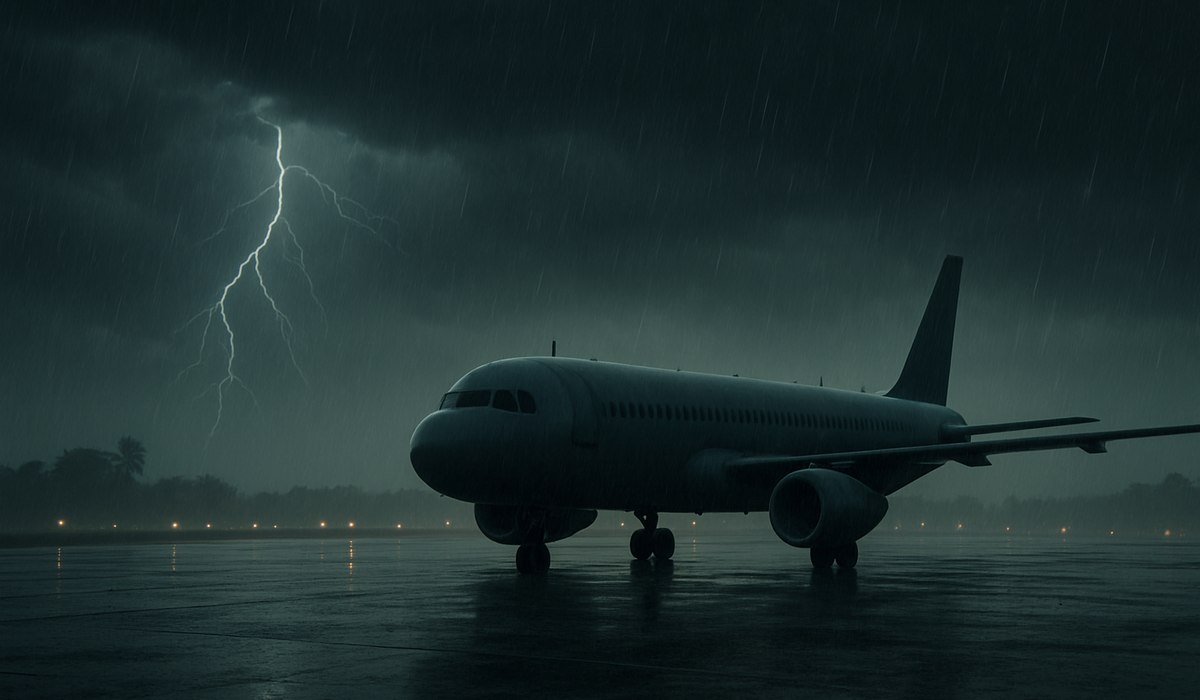
Image generated by AI
Nigerian Aviation Authority Issues Extended Weather Disruption Warning
The Nigerian Civil Aviation Authority (NCAA) has issued a critical advisory warning travelers to expect elevated flight disruptions through December 2026 as the rainy season intensifies across the nation's busiest airports. Heavy rainfall, thunderstorms, and low-visibility conditions continue to cascade through Lagos, Abuja, and Port Harcourt—disrupting both domestic and international flight schedules. With peak travel demand coinciding with seasonal weather challenges, passengers face significant risks of delays, cancellations, and missed connections during the coming months.
Rainy Season Extends Flight Delays and Cancellations Through December
Nigeria's rainy season typically spans late March through October, with lingering storms affecting coastal and central regions well into December. The combination of heavy precipitation and atmospheric conditions creates perfect conditions for flight disruptions. According to NCAA data, thunderstorms and reduced visibility rank among the leading causes of schedule disturbances during this period.
Airlines operating Nigerian routes routinely implement ground holds, schedule adjustments, and flight diversions when storm cells develop along major corridors. Recent disruption patterns show that weather-related delays have affected thousands of passengers, with some quarters experiencing more than a billion naira in refunds due to cancellations and extended waits.
The harmattan period—characterized by dry, hazy conditions—compounds these challenges later in the year. Forecasters predict that severe weather can persist through December, particularly affecting coastal hubs and central Nigerian airspace. For travelers planning journeys between April and year-end, understanding these seasonal patterns remains essential for effective trip planning.
Lagos, Abuja, and Port Harcourt Hit Hardest by Weather Disruptions
Lagos Murtala Muhammed International Airport, Nigeria's primary international gateway, experiences the most acute disruption risk during rainy months. As West Africa's busiest hub, Lagos handles both inbound long-haul flights and connecting domestic services—making cascading delays particularly damaging when thunderstorms force ground stops.
Nnamdi Azikiwe International Airport in Abuja processes significant traffic connecting northern Nigerian cities. Limited daily flight frequencies mean single weather-related delays translate directly into overnight passenger stays and missed onward connections.
Port Harcourt International Airport serves the oil-rich Niger Delta region with connections to secondary cities. Coastal location exposes the airport to tropical weather systems, making it highly vulnerable to rainy-season disruptions. Passengers transiting through these three hubs face compounding risks when weather affects multiple legs of their journey simultaneously.
Diaspora travelers and business professionals flying from North America and Europe into Nigeria often experience network cascades—where a single Lagos thunderstorm can delay crew and aircraft rotations affecting subsequent regional flights. FlightAware real-time tracking provides live visibility into these disruptions as they unfold.
Nigerian Civil Aviation Authority Tightens Passenger Rights Standards
The NCAA has significantly strengthened enforcement of Nigeria's 2023 Consumer Protection Regulations governing airline passenger treatment during disruptions. Airlines must now provide refreshments after multi-hour delays, hotel accommodation for overnight disruptions, and rebooking or refunds under specific circumstances.
Public regulatory documents indicate carriers refunded over one billion naira to passengers in a single 2025 quarter, demonstrating the scale of ongoing schedule problems. The NCAA's escalated enforcement signals zero tolerance for airlines failing to communicate transparently or support stranded passengers during weather delays.
Safety remains the NCAA's paramount concern—operations halt immediately when thunderstorms or visibility hazards threaten aircraft. However, the regulator emphasizes that weather delays do not exempt carriers from passenger care obligations. Airlines must keep travelers informed at regular intervals and facilitate accommodations for extended waits.
This regulatory approach protects travelers while maintaining operational safety standards. Passengers can now pursue formal compensation claims through established redress mechanisms when airlines fail to provide mandated support services during weather disruptions.
What Nomadic Lawyers and Remote Workers Should Know
Digital nomads, remote-working professionals, and location-independent travelers require special consideration when planning Nigerian routes through rainy season. Missed connections carry particular weight when your destination depends on reliable airport operations or last-mile transportation from secondary cities.
The combination of potential weather delays, limited daily flight frequencies, and peak holiday congestion creates a high-risk environment for tight itineraries. Business travelers connecting through Lagos or Abuja to interior cities should add 4-6 hours to minimum connection times during rainy months.
Remote workers planning extended Nigerian stays benefit from flexible booking options and travel insurance covering weather-related disruptions. Airlines increasingly offer free rebooking or schedule waivers when forecasts predict severe storms, but policies vary by carrier. Confirming your airline's weather waiver policy before purchase provides critical protection.
Consider positioning yourself in a major hub (Lagos or Abuja) for 24-48 hours before critical onward connections, allowing weather systems to clear. This buffer strategy prevents cascade failures when thunderstorms affect domestic networks. Check US DOT consumer guidance for additional passenger rights frameworks applicable to US-Nigeria carriers.
Traveler Action Checklist
-
Book flights with 4-6 hour connection buffers when linking international arrivals with domestic segments through Lagos or Abuja during April-December 2026.
-
Verify your airline's weather waiver policy before purchasing—confirm whether forecasted storms trigger free rebooking or schedule flexibility.
-
Monitor weather forecasts daily in the week preceding travel using local Nigerian meteorological services and aviation weather platforms.
-
Enable airline app notifications to receive real-time delay and cancellation alerts for your specific flights.
-
Confirm hotel cancellation policies allow weather-related plan changes without penalty, especially when booking accommodations near airports.
-
Register with your embassy if traveling to Nigeria during peak rainy season, enabling emergency communication if major disruptions occur.
-
Purchase comprehensive travel insurance explicitly covering weather delays, cancellations, and missed connections for Nigerian routes.
-
Save airline customer service contacts and the NCAA's passenger complaint portal before departure for quick access if disruptions occur.
-
Document all disruptions with screenshots of flight status, delay announcements, and accommodation receipts for potential compensation claims.
-
Maintain flexibility in itineraries by avoiding hard deadline commitments or critical business meetings during peak rainy months (June-August).
Key Data on Nigerian Flight Disruption Patterns
| Metric | Details |
|---|---|
| Peak Disruption Period | April-October (main rainy season); lingering storms through December |
| Primary Affected Hubs | Lagos Murtala Muhammed, Abuja Nnamdi Azikiwe, Port Harcourt International |
| Leading Disruption Causes | Thunderstorms (42%), reduced visibility (38%), harmattan haze (20%) |
| 2025 Passenger Refunds | Over 1 billion naira in single quarter due to disruptions |
| Minimum Connection Buffer | 4-6 hours recommended for Lagos/Abuja transfers during rainy season |
| Regulatory Framework | NCAA 2023 Consumer Protection Regulations mandate passenger care obligations |
| Weather Forecast Window | Airlines issue waivers 3-7 days before severe weather impacts |
| Common Consequence | Missed domestic connections due to international flight delays |
Frequently Asked Questions
Q: Can weather delays exempt airlines from passenger compensation under NCAA regulations?
A: Weather qualifies as an extraordinary circumstance, but airlines must still provide refreshments, accommodation, and rebooking options. However, monetary compensation may not apply if the airline proves weather prevented reasonable flight operation. Always request written documentation of delay cause when seeking compensation through NCAA channels.
**Q: Which airlines operate most frequently on Lagos-Abuja-Port
Disclaimer
This article is for informational and educational purposes only. It does not constitute legal, financial, or professional advice. While we strive to provide accurate and up-to-date information, travel policies, regulations, and conditions change rapidly. Always verify information with official sources before making travel decisions. Nomad Lawyer makes no representations about the accuracy, reliability, completeness, or suitability of the information provided. Readers should consult qualified professionals for advice specific to their circumstances. The views expressed in this article are those of the author and do not necessarily reflect the views of Nomad Lawyer.
Kunal K Choudhary
Co-Founder & Contributor
A passionate traveller and tech enthusiast. Kunal contributes to the vision and growth of Nomad Lawyer, bringing fresh perspectives and driving the community forward.
Learn more about our team →