
Naples Emergency Response Scales Up After 4.7-Magnitude Campi Flegrei Earthquake Causes Injuries in 2026
A 4.7-magnitude earthquake in the Campi Flegrei volcanic region has injured 21 people and disrupted critical rail and ferry links in Naples, triggering emergency evacuations.

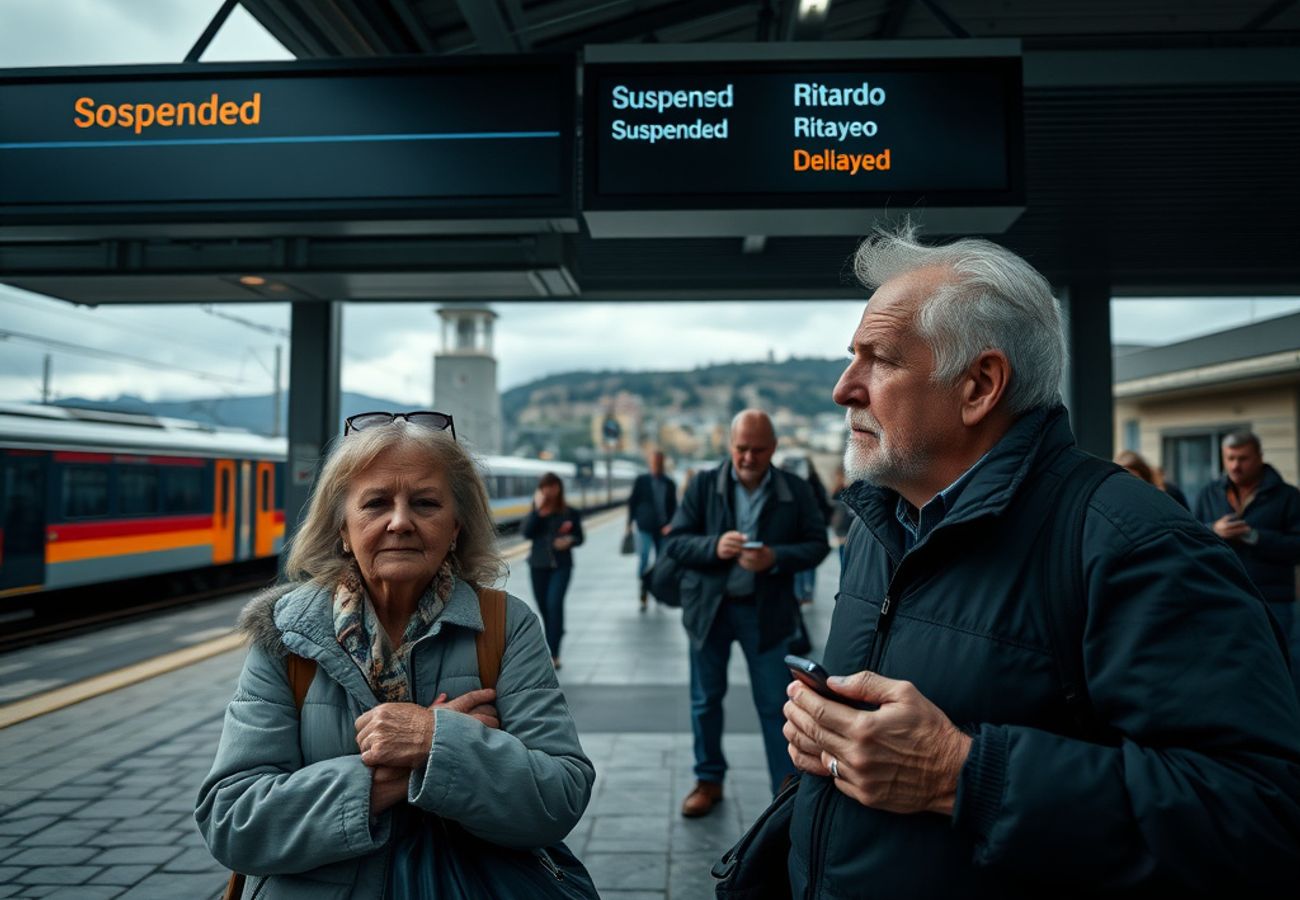
Image generated by AI
A 4.7-magnitude earthquake has struck the Campi Flegrei volcanic zone, injuring 21 people and forcing the evacuation of 18 families. The tremor caused significant infrastructure failure, including the closure of the Pozzuoli port and delays of over six hours on regional rail lines.
The Seismic Shift in Campi Flegrei
On Friday evening at 19:49 local time, a shallow earthquake centered between Pozzuoli and Quarto triggered an immediate emergency response across the Naples metropolitan area. With a depth of approximately three kilometres, the 4.7-magnitude event produced violent surface movements that were felt throughout the city and neighboring towns.
This event marks the most powerful tremor since the current period of seismic unrest began. The National Institute of Geophysics and Volcanology recorded 10 aftershocks immediately following the main quake, emphasizing the volatile nature of this caldera. For the visitor, this isn't just a geological event; it is a reminder that Naples sits atop one of the most complex volcanic systems in Europe, where the ground literally shifts beneath a densely populated urban center.
Impact on Infrastructure and Human Safety
The immediate aftermath saw emergency services scrambling to treat 21 injured individuals, two of whom sustained serious injuries. The structural toll included damage to residential buildings and historic churches, with rockfalls from volcanic tuff cliffs creating hazardous zones for pedestrians.
Transport networks, the lifeblood of the region's tourism, faced severe disruptions:
| Affected Service | Impact | Status/Recovery |
|---|---|---|
| Cumana Railway | Total suspension for safety inspections | Resumed overnight |
| Circumflegrea Railway | Total suspension; 6+ hour delays | Resumed overnight |
| Pozzuoli Port | Quay rendered unusable; total closure | Under evaluation |
| Ferry Links | Procida and Ischia connections severed | Temporary disruption |
The closure of the Pozzuoli port is particularly impactful for those attempting to reach the islands of Procida and Ischia, as it serves as a primary gateway from the mainland.
Cultural and Environmental Value: Living with Volcanism
The Campi Flegrei (Phlegraean Fields) is not a single peak but a vast caldera. The region's identity is inextricably linked to this geological instability. For the traveler, the real impact is the realization of how local architecture and urban planning have adapted to "bradyseism"—the gradual rising and falling of the earth's surface.
This event follows a pattern of increasing unrest, including a 4.6-magnitude earthquake in June 2025. While the official regional conservation bodies and monitoring teams have not announced an immediate eruption risk, the ongoing seismic activity supports a broader regional push toward sustainable, disaster-resilient tourism. By integrating real-time monitoring into the visitor experience, Naples is transforming a geological risk into a lesson in planetary science and heritage preservation.
Visitor Insider Tips
Navigating Naples during periods of seismic unrest requires a shift in strategy. To ensure safety and a seamless trip:
- Alternative Port Access: If the Pozzuoli port is closed, pivot to the main Naples Port (Molo Beverello) for ferries to Ischia and Procida. While busier, it remains the most stable alternative.
- Digital Transit Alerts: Download the local transport apps for the Cumana and Circumflegrea lines. In the event of a tremor, these are updated faster than official tourist boards.
- Tuff Cliff Caution: Avoid walking directly beneath the volcanic tuff cliffs in the Pozzuoli area following a quake, as aftershocks can trigger secondary rockfalls.
- Off-Peak Window: If you are sensitive to the anxiety of seismic activity, visit during the late autumn or early spring when the crowds are thinner, making evacuation routes clearer and hotel check-outs less chaotic.
- Local Specialty: While in Pozzuoli, visit the Pozzuolana quarries—the very volcanic ash that built the Roman Empire—to understand the material that both protects and challenges the city's structures.
Tourism Outlook
Despite the temporary chaos, Naples remains a resilient global hub. The city's ability to restore rail services within hours demonstrates a high level of disaster preparedness. The long-term outlook for the region involves a transition toward "Scientific Tourism," where visitors engage with the National Institute of Geophysics and Volcanology to understand the caldera's behavior. As long as monitoring remains rigorous, the allure of the city's historic center and the nearby ruins of Pompeii will continue to outweigh the geological risks.
Stay alert, stay flexible, and embrace the raw power of the Campanian landscape.
Related Travel Guides
Disclaimer
This article is for informational and educational purposes only. It does not constitute legal, financial, or professional advice. While we strive to provide accurate and up-to-date information, travel policies, regulations, and conditions change rapidly. Always verify information with official sources before making travel decisions. Nomad Lawyer makes no representations about the accuracy, reliability, completeness, or suitability of the information provided. Readers should consult qualified professionals for advice specific to their circumstances. The views expressed in this article are those of the author and do not necessarily reflect the views of Nomad Lawyer.
Kunal K Choudhary
Co-Founder & Contributor
A passionate traveller and tech enthusiast. Kunal contributes to the vision and growth of Nomad Lawyer, bringing fresh perspectives and driving the community forward.
Learn more about our team →