
Myanmar Hosts Mekong Tourism Forum 2026: Six Nations Unite Behind Sustainable Travel and Community Empowerment
Myanmar convenes Cambodia, Laos, Thailand, Vietnam, and China at historic Mekong Tourism Forum 2026 in Yangon to reshape Southeast Asian travel around sustainability, community benefit, and cultural preservation.

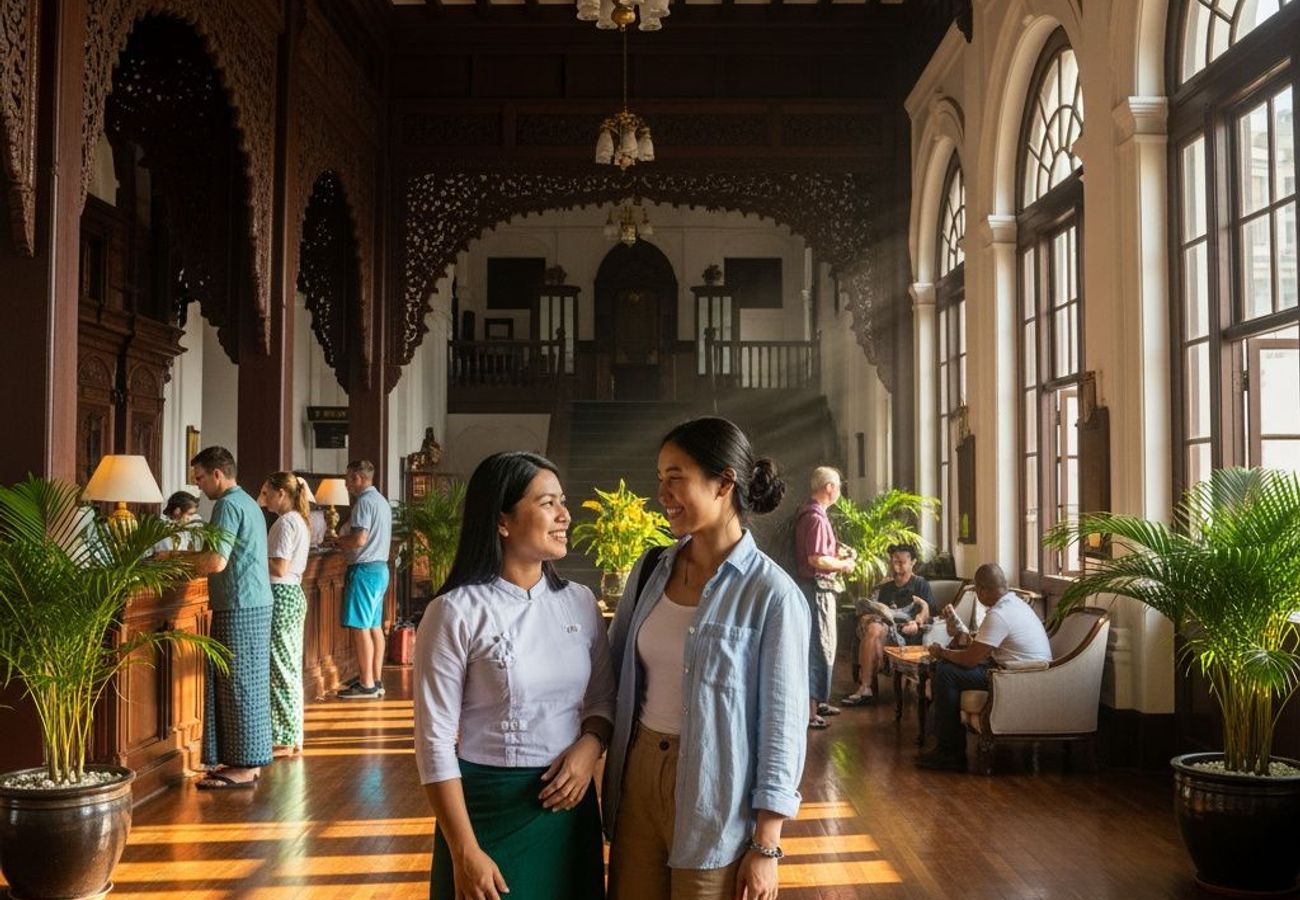
Image generated by AI
Myanmar Takes the Lead: Six Nations Converge on Sustainable Tourism Strategy
Myanmar has positioned itself at the epicenter of Southeast Asian tourism transformation by hosting the Mekong Tourism Forum 2026 in Yangon. The high-stakes gathering brought together tourism ministers, policymakers, industry leaders and regional stakeholders from six Greater Mekong Subregion (GMS) countries—Cambodia, Laos, Thailand, Vietnam, and China—to fundamentally reshape how the region approaches travel and tourism development.
This wasn't merely another conference. The forum represented a critical inflection point where Southeast Asia's tourism leaders explicitly rejected the outdated "numbers over impact" model and embraced a people-first philosophy that prioritizes community welfare, cultural survival, and environmental stewardship.
"Tourism for People, Travel with Purpose"—The Forum's Powerful Central Theme
The conference operated under a deliberately provocative mandate: measuring tourism success not by visitor volume, but by tangible benefits flowing directly to local communities, small enterprises, heritage preservation and future generations.
Myanmar's Union Minister for Hotels, Tourism and Culture articulated the vision clearly—this generation of tourism leaders refuses to repeat the extraction-based models that enriched external operators while leaving destination communities vulnerable. Instead, the forum promoted tourism as a genuine economic multiplier capable of strengthening livelihoods across hospitality workers, licensed guides, transport operators, artisans, and micro-to-medium enterprises.
Reddit: "Finally seeing Southeast Asian governments take sustainable tourism seriously instead of just greenwashing. The community-first approach actually changes how travelers interact with destinations." — r/travel
Breaking Down the Regional Cooperation Framework
The forum facilitated structured dialogue around critical infrastructure for sustainable tourism across the GMS. Delegates exchanged practical methodologies on destination branding, digital marketing innovation and the creation of authentic cultural experiences that appeal to the growing segment of travelers actively seeking meaningful engagement rather than passive consumption.
This wasn't abstract discussion—tourism operators, governments and development partners collaboratively identified concrete solutions to strengthen regional connectivity while protecting natural and cultural resources. The emphasis on innovation signaled that sustainability isn't a constraint on tourism growth but rather an accelerant for competitive differentiation in an increasingly conscious global market.
Cultural Heritage and Environmental Sustainability: The Non-Negotiable Foundation
One of the forum's most consequential outcomes was establishing explicit linkages between tourism growth and heritage preservation. Delegates spotlighted successful models where responsible destination management—including historical landmark protection, indigenous tradition safeguarding, and reduction of tourism's environmental footprint—simultaneously enhanced visitor experiences and community resilience.
The regional consensus crystallized around a fundamental principle: long-term tourism viability demands coordination between governments, operators and local communities. Siloed decision-making, delegates emphasized, inevitably produces environmental degradation and cultural erosion that ultimately destroys the very assets that attract travelers.
Community Empowerment as Economic Engine
Myanmar's tourism leadership stressed that inclusive tourism fundamentally expands the economic multiplier effect. When tourism benefits extend beyond hotel corporations to encompass hospitality workers, restaurant proprietors, accommodation operators, and artisans, the entire destination ecosystem strengthens.
This isn't charity—it's economic strategy. Decentralized tourism spending creates resilience, reduces economic vulnerability and generates entrepreneurial momentum throughout rural and urban areas simultaneously. The forum positioned community empowerment as the architecturally essential foundation for tourism systems capable of withstanding external shocks and delivering sustainable growth.
Myanmar's Strategic Position Within Greater Mekong Tourism Architecture
Hosting the forum strengthened Myanmar's standing as an active, committed participant in regional tourism cooperation during a critical recovery and expansion phase. International delegates gained firsthand exposure to Myanmar's tourism infrastructure developments and industry capabilities while reassessing investment opportunities and partnership potential.
The hospitality extended by Myanmar signaled its intention to remain central to Greater Mekong tourism governance structures—a positioning that carries significant implications for future regional travel connectivity initiatives and cross-border tourism product development.
The Broader Regional Shift Toward Responsible Travel Frameworks
The Mekong Tourism Forum 2026 reflected a seismic shift across Southeast Asian tourism governance. As traveler expectations increasingly emphasize authenticity, community benefit and environmental responsibility, destinations that fail to modernize their tourism strategies face accelerating competitive disadvantage.
The forum's success indicated that Cambodia, Laos, Thailand, Vietnam, China and Myanmar now collectively recognize that tourism resilience depends upon embedding sustainability and community participation directly into strategic planning frameworks—not treating these as peripheral compliance matters. This represents a fundamental departure from earlier development models that prioritized volume over values.
What This Means for Travelers Planning Southeast Asia Journeys
The forum's outcomes carry immediate practical implications for travelers. Tourism operators across the Greater Mekong Subregion are increasingly developing community-based experiences, heritage-conscious itineraries and locally-owned accommodation options that align with the responsible travel principles discussed in Yangon.
Travelers seeking authentic Southeast Asian experiences now encounter destinations actively implementing sustainable tourism frameworks—meaning your tourism dollars increasingly support local communities, cultural preservation and environmental conservation rather than external extraction models. This represents a genuine transformation in how the region's tourism operates at ground level.
The Mekong Tourism Forum 2026 demonstrated that Southeast Asia's tourism leadership has moved decisively beyond sustainability as marketing rhetoric. The six-nation commitment to community empowerment, heritage protection and responsible destination management suggests that the region is architecting tourism systems genuinely designed to benefit people, protect culture and build long-term resilience.
Myanmar's leadership in reshaping Southeast Asian tourism around community benefit proves that sustainable travel isn't a constraint on growth—it's the foundation for it.
Related Travel Guides
Disclaimer
This article is for informational and educational purposes only. It does not constitute legal, financial, or professional advice. While we strive to provide accurate and up-to-date information, travel policies, regulations, and conditions change rapidly. Always verify information with official sources before making travel decisions. Nomad Lawyer makes no representations about the accuracy, reliability, completeness, or suitability of the information provided. Readers should consult qualified professionals for advice specific to their circumstances. The views expressed in this article are those of the author and do not necessarily reflect the views of Nomad Lawyer.
Raushan Kumar
Founder & Lead Developer
Full-stack developer with 11+ years of experience and a passionate traveller. Raushan built Nomad Lawyer from the ground up with a vision to create the best travel and law experience on the web.
Learn more about our team →