
Mumbai Metro One Launches India's First End-to-End WhatsApp Digital Metro Pass System 2026
Mumbai Metro One introduces India's first complete WhatsApp-based metro pass facility for the Versova-Andheri-Ghatkopar corridor, integrating Google and Apple Wallet for seamless contactless transit.

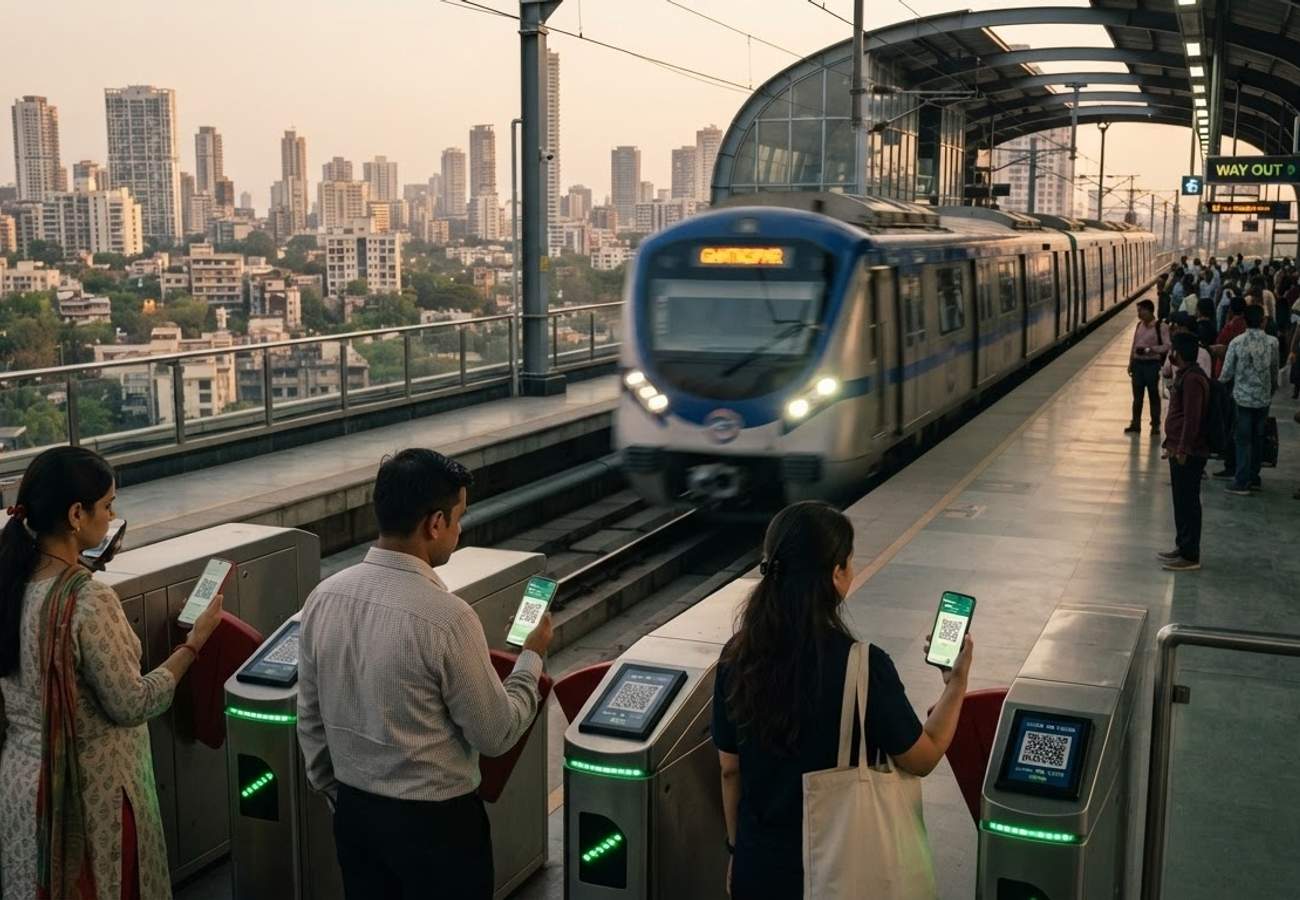
Image generated by AI
Mumbai Metro One has become the first metro operator in India to implement a comprehensive WhatsApp-based metro pass facility, eliminating physical cards and dedicated app downloads for the Versova-Andheri-Ghatkopar corridor.
Digital Transformation of the Versova-Andheri-Ghatkopar Corridor
Mumbai Metro One has transitioned its ticketing infrastructure to allow commuters to purchase, store, and utilize transit passes entirely through WhatsApp. This system removes the requirement for passengers to visit station counters or manage separate proprietary applications, streamlining the entry and exit process for millions of daily users.
The initiative expands upon previous QR-based single-journey ticketing on the platform, moving toward a full-lifecycle pass management system. A key technical feature is the instant activation capability, which allows the digital pass to be valid immediately upon payment confirmation.
To further reduce friction at the turnstiles, the system integrates with Google Wallet and Apple Wallet. This allows passengers to store their credentials in a centralized digital vault, ensuring that transit passes are accessible even if the messaging app is not actively open.
Metro Pass Specifications and Options
The digital system offers two distinct pass types to accommodate different passenger behaviors, from daily corporate commuters to irregular travelers.
| Pass Type | Functionality | Ideal User Profile | Payment Logic |
|---|---|---|---|
| Trip Pass | Fixed number of pre-purchased journeys | Regular commuters with set schedules | Prepaid fixed-count |
| Store Value Pass | Flexible balance top-ups | Occasional or variable-route travelers | Pay-as-you-use (deductive) |
Payments are processed through a secure digital gateway supporting UPI, debit cards, and credit cards, aligning with India's broader shift toward a cashless public transportation economy.
Traveler Logistics Guide: Navigating the Digital Shift
From a ground-level perspective, the best way to navigate this transition is to set up your digital wallet before arriving at the station to avoid congestion at the gates.
Booking and Integration Steps:
- Initiate via WhatsApp: Message the official Mumbai Metro One business account to select your pass type (Trip or Store Value).
- Payment: Complete the transaction using UPI for the fastest processing time.
- Wallet Sync: Once the pass is issued, immediately select the "Add to Google Wallet" or "Add to Apple Wallet" option. This prevents delays caused by app loading times or poor connectivity at the ticket barriers.
Optimal Transit Tips:
- Connection Times: Because this system reduces queue times at ticket vending machines (TVMs), passengers can shave 5-10 minutes off their station arrival time.
- Digital Policy: Ensure your device is charged; while the pass is digital, the physical scanners require a visible QR code or NFC signal. Always have a backup payment method (like a UPI app) ready for instant top-ups of Store Value passes.
Infrastructure Impact Assessment
Since the start of its operations, Mumbai Metro One has transported over 125 crore passengers. The introduction of WhatsApp-based ticketing is a strategic move to manage high-density passenger flow on the Versova-Andheri-Ghatkopar line.
By shifting the ticketing burden from physical infrastructure (counters and machines) to the user's personal device, the operator reduces station congestion and lowers the operational overhead associated with physical card issuance. This model sets a technical benchmark for other Indian metro networks, proving that leveraging existing high-penetration platforms like WhatsApp is more effective for rapid adoption than forcing users to download new, niche applications.
The era of the physical transit card in Mumbai is rapidly coming to an end.
Related Travel Guides
Disclaimer
This article is for informational and educational purposes only. It does not constitute legal, financial, or professional advice. While we strive to provide accurate and up-to-date information, travel policies, regulations, and conditions change rapidly. Always verify information with official sources before making travel decisions. Nomad Lawyer makes no representations about the accuracy, reliability, completeness, or suitability of the information provided. Readers should consult qualified professionals for advice specific to their circumstances. The views expressed in this article are those of the author and do not necessarily reflect the views of Nomad Lawyer.
Kunal K Choudhary
Co-Founder & Contributor
A passionate traveller and tech enthusiast. Kunal contributes to the vision and growth of Nomad Lawyer, bringing fresh perspectives and driving the community forward.
Learn more about our team →