
Top 5 Most Affordable Neighborhoods in Cleveland Ohio for Renters and Homebuyers in 2026
Discover the most affordable neighborhoods in Cleveland, Ohio, where rental prices remain significantly below the national average across key districts like Glenville and Edgewater.

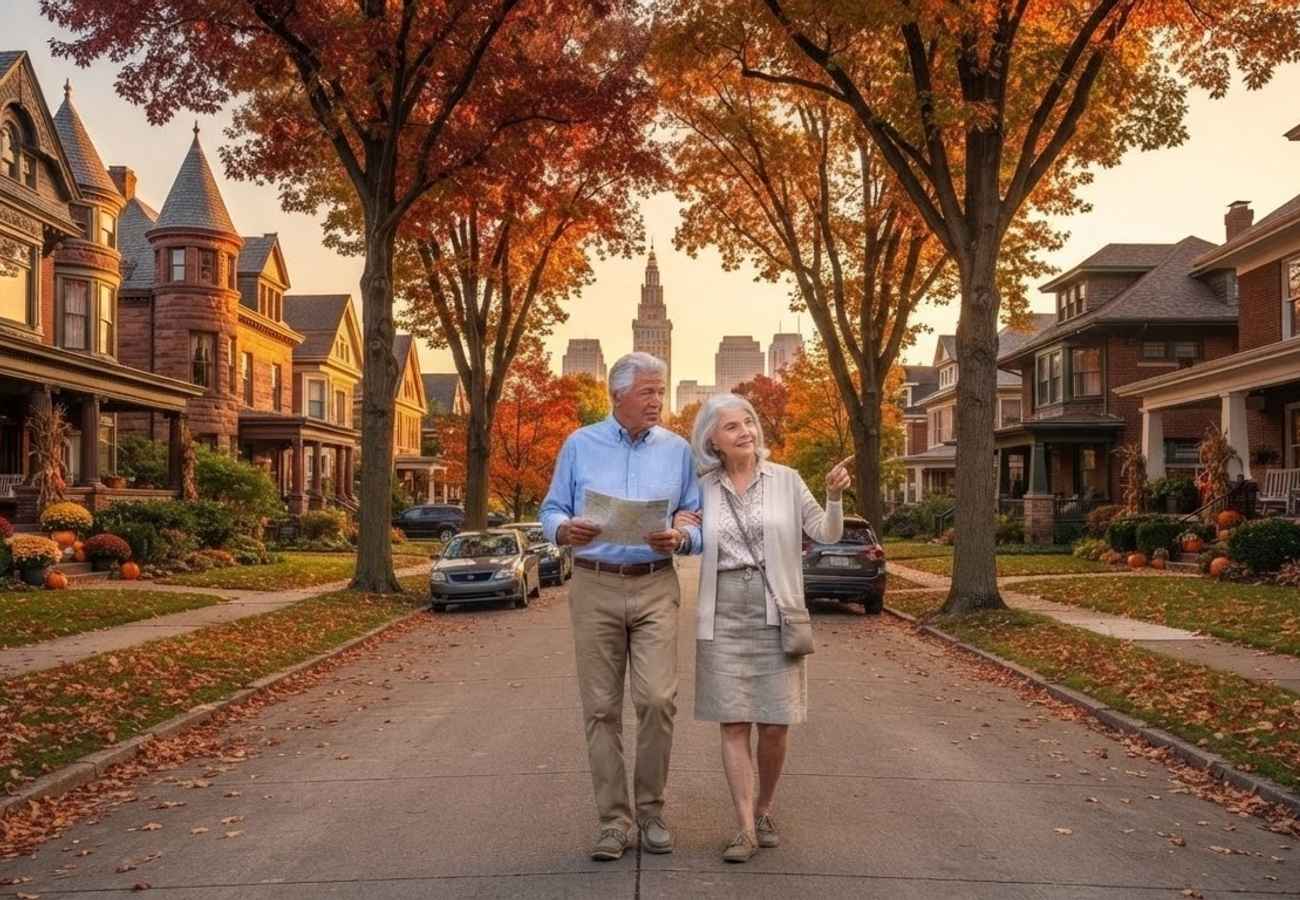
Image generated by AI
[Cleveland, OH] — Cleveland continues to solidify its position as one of the most cost-effective major metropolitan hubs in the American Midwest, offering a unique combination of urban amenities and rental rates that consistently undercut national averages. With a city population exceeding 365,000 and a broader metropolitan reach of approximately 2.17 million people, the city provides a high-energy environment without the financial burden typically associated with large urban centers.
The city's appeal lies in its diverse residential pockets, ranging from the serene shores of Lake Erie to historic districts characterized by century-old architecture. Major cultural and economic drivers, such as the Rock and Roll Hall of Fame, the Cleveland Clinic, and the University Circle—home to Case Western Reserve University—ensure that residents have access to world-class healthcare, education, and entertainment. The Greater Cleveland Regional Transit Authority (RTA) further enhances accessibility via an integrated network of buses and rail lines.
Analyzing Budget-Friendly Residential Zones in Cleveland
For those seeking a balance between cost and quality of life, several districts stand out for their affordability. Whether the priority is proximity to the lake, a walkable arts scene, or a quiet residential street, the following five areas currently represent the most accessible entry points into the Cleveland market.
Glenville: Northeast Lakefront Value
Located on the northeast side of the city along the shores of Lake Erie, Glenville is recognized as one of Cleveland's more established residential communities. The area is characterized by its walkability, abundance of green spaces, and accessible local commerce.
Residents here have direct access to the Cleveland Lakefront Nature Preserve, which offers ecological trails and waterfront vistas. For those seeking athletic facilities, Gordon Park provides baseball fields and playgrounds. The neighborhood is also a starting point for the paved Harrison Dillard Bikeway, which connects residents to University Circle via Martin Luther King Jr. Drive. Additionally, the Cleveland Cultural Gardens within Rockefeller Park offer a curated look at the diverse heritage that has shaped the city.
Commercial activity is concentrated along East 105th Street and St. Clair Avenue, where a variety of neighborhood restaurants and corner stores maintain a community-centric atmosphere. In terms of transit, Glenville is well-served by RTA bus routes, and I-90 provides a quick connection to the wider metro area.
West Cleveland: Suburban Comfort and Convenience
West Cleveland serves as a broad residential umbrella for several communities on the city's west side. Situated roughly four to five miles from the downtown core, this area is highly regarded for its accessibility to grocery stores and public parks. The housing stock is generally older, offering a stable, community-oriented environment for those who prefer a slower pace than the city center.
The area's primary draw is its proximity to the historic West Side Market, which has operated since 1912 and remains a premier destination for fresh produce and specialty foods. The adjacent Ohio City neighborhood expands these options with a dense concentration of breweries, cafes, and boutique retail.
Nature enthusiasts benefit from the "Emerald Necklace," the Cleveland Metroparks system. West Cleveland residents have easy access to the Cleveland Metroparks Zoo and the Brookside Reservation. While many residents rely on personal vehicles, I-71 and the RTA Red Line at the West 25th Street–Ohio City Station provide efficient transit links to the urban core.
Edgewater: Premium Lake Access at Low Cost
Edgewater is frequently cited as one of the city's most desirable areas due to its immediate proximity to Edgewater Park. This 147-acre public space is a cornerstone of the community, featuring a beach, fishing pier, and boat launch, all while offering an unobstructed view of the downtown skyline.
Beyond the park, the neighborhood is evolving into a hub for independent business, with a surge of new coffee shops and bars appearing on its western edge. The nearby Gordon Square Arts District provides a cultural extension, offering independent galleries and theaters. Residents also benefit from the proximity to Lakewood, where Madison and Detroit Avenues host a variety of shopping and dining establishments.
Transportation is a mix of car and rail; the RTA Red Line's West Boulevard-Cudell Station connects the neighborhood directly to Hopkins International Airport and Downtown Cleveland.
Detroit-Shoreway: The Cultural Heart of the West Side
Positioned between I-90 and the Cleveland Memorial Shoreway, Detroit-Shoreway is defined by its artistic energy. The Gordon Square Arts District serves as the neighborhood's anchor, housing the Near West Theatre, the Capitol Theatre, and the Cleveland Public Theatre.
This area is ideal for those who prioritize a walkable, creative environment. In addition to the theaters, the district is lined with long-standing independent boutiques and eateries. The northern boundary of the neighborhood provides a short walk or bike ride to the shores of Lake Erie via Edgewater Park. The area also serves as a venue for large-scale community events, such as the annual IngenuityFest.
Buckeye-Shaker: Established Residential Living
Rounding out the list of affordable zones is Buckeye-Shaker, which offers a blend of residential stability and accessibility to the city's primary transit arteries. Like many of the other affordable districts, it provides a cost-effective alternative for those who need to commute into the city center while maintaining a lower monthly overhead.
Comparative Housing and Rental Data for 2026
The following data illustrates the significant gap between the city-wide average and the costs associated with these specific affordable neighborhoods.
| Neighborhood | Avg. 1-Bedroom Rent | Median Home List Price | City Avg. 1-BR Rent |
|---|---|---|---|
| Glenville | $815/month | $115,000 | $1,381/month |
| West Cleveland | $837/month | $152,450 | $1,381/month |
| Edgewater | $881/month | $279,000 | $1,381/month |
| Detroit-Shoreway | $960/month | $312,450 | $1,381/month |
| Buckeye-Shaker | Competitive | Varies | $1,381/month |
Industry Impact and Market Analysis
The disparity between the average Cleveland rent of $1,381 and the rates in neighborhoods like Glenville ($815) highlights a significant opportunity for workforce relocation and "digital nomad" migration. As larger coastal cities become prohibitively expensive, mid-sized hubs like Cleveland are seeing an influx of residents who prioritize "buying power" over prestige.
The concentration of affordability in the West Side (Edgewater, Detroit-Shoreway, and West Cleveland) suggests a strong correlation between lakefront access and value retention. While home prices in Detroit-Shoreway are higher than in Glenville, the proximity to the Gordon Square Arts District creates a "lifestyle premium" that remains affordable compared to national urban trends.
Why This Matters (Information Gain): The current data suggests that Cleveland is not just "cheap," but strategically affordable. The fact that one can live within five miles of a major metropolitan center and a world-class medical hub (Cleveland Clinic) for under $900 a month in rent is a rarity in the 2026 US economy. For the aviation and travel industry, this low cost of living supports a more stable local workforce and encourages domestic tourism, as the city's low overhead allows for the proliferation of independent arts and culinary ventures that attract visitors. Furthermore, the integration of the RTA system with these affordable zones reduces the "commuter tax" (the cost of owning a car), effectively increasing the disposable income of residents and fueling the local economy.
Cleveland remains a primary example of how urban affordability can coexist with high-tier cultural and medical infrastructure.
Related Travel Guides
Disclaimer
This article is for informational and educational purposes only. It does not constitute legal, financial, or professional advice. While we strive to provide accurate and up-to-date information, travel policies, regulations, and conditions change rapidly. Always verify information with official sources before making travel decisions. Nomad Lawyer makes no representations about the accuracy, reliability, completeness, or suitability of the information provided. Readers should consult qualified professionals for advice specific to their circumstances. The views expressed in this article are those of the author and do not necessarily reflect the views of Nomad Lawyer.
Preeti Gunjan
Contributor & Community Manager
A passionate traveller and community builder. Preeti helps grow the Nomad Lawyer community, fostering engagement and bringing the reader experience to life.
Learn more about our team →