
Mitsui Garden Hotel Prana Tokyo Bay Reopens September 11 2026 Following Major Family Resort Renovation
Mitsui Garden Hotel Prana Tokyo Bay reopens September 11, 2026, introducing upgraded family zones and tropical-themed luxury to the Tokyo Bay resort circuit.

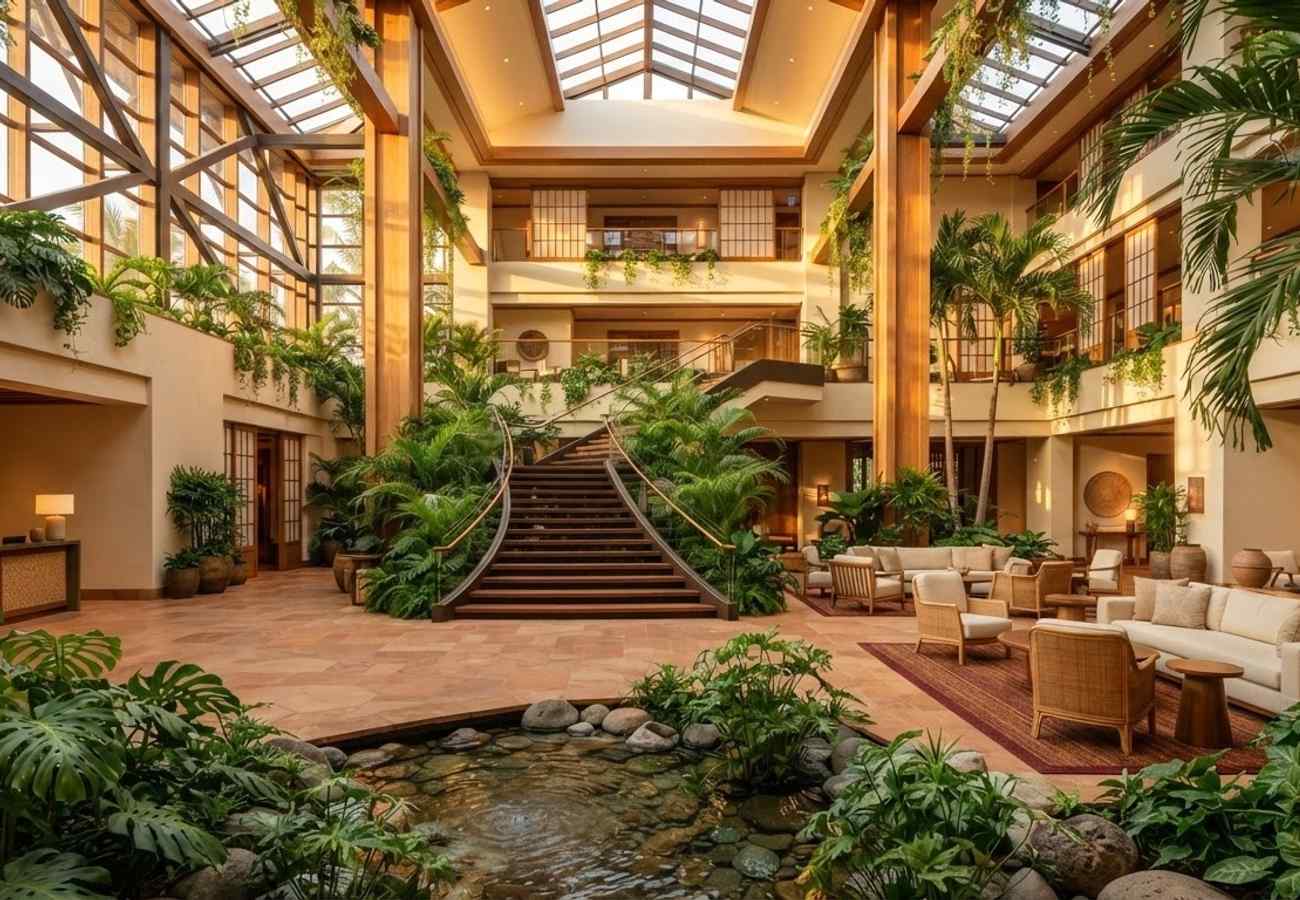
Image generated by AI
The Mitsui Garden Hotel Prana Tokyo Bay officially returns to service on September 11, 2026, debuting a refreshed "southern island paradise" concept designed to capture the growing family leisure market.
The Shift Toward Experiential Family Lodging
The reopening of the Mitsui Garden Hotel Prana Tokyo Bay marks the completion of the first phase of a comprehensive multi-year modernization project. While the hotel has long served as a cornerstone for families visiting the Tokyo Bay area, this renovation pivots from providing simple accommodation to offering a full-scale resort experience.
The project, which began on May 11, 2026, involved a total temporary closure on June 19, 2026, to facilitate deep structural and aesthetic upgrades. The property is now positioning itself as a sanctuary for those seeking a reprieve from the high-energy environment of nearby attractions, utilizing a design palette of warm terracotta tones and lush greenery to evoke a tropical getaway.
Phased Transformation and Guest Impact
For the visitor, the most immediate change is the sensory experience of the arrival. The hotel’s signature 16.5-metre-high ceiling in the main lobby has been reimagined to better integrate the resort theme, ensuring the transition from the city to the "island paradise" is instantaneous.
The first phase of the renovation focused on high-traffic areas and family-centric utility. The following upgrades are now live:
| Area | Key Improvements |
|---|---|
| Main Lobby | Redesigned layout with terracotta accents and increased greenery |
| Guest Rooms | Refreshed Superior Twin and Deluxe Quad rooms with updated interiors |
| Children's Zones | New playground-style lobby, ball pit, baby zone, and school-age kids zone |
| Public Baths | New pink and orange accents, expanded powder spaces, and more lockers |
The focus on Deluxe Quad rooms is a strategic response to the increase in multi-generational travel. By providing larger, cohesive spaces, the hotel removes the friction of booking multiple smaller rooms for a single family unit.
Cultural Value: Elevating the Sento Experience
A critical component of the renovation is the enhancement of the large public bath. In Japan, the culture of communal bathing is a vital ritual of relaxation. For international travelers, this is often a highlight of their stay.
The redesigned bath area moves beyond functionality, introducing a vibrant color scheme of pink and orange to create a more inviting, modern wellness environment. By expanding the powder spaces and increasing locker availability, the hotel is addressing a common pain point for tourists: the congestion often found in public bathing facilities during peak morning and evening hours.
Visitor Insider Tips
To maximize a stay at the renovated Prana Tokyo Bay, consider these local perspectives:
- The "Quiet Window": To experience the 16.5-metre lobby and public baths without the crowds, visit between 11:00 AM and 2:00 PM, when most guests have already departed for nearby theme parks.
- Navigating the Kids Zone: The ball pit and baby zones are high-demand areas. Arriving early in the morning allows parents to let children burn off energy before the midday rush.
- Dining Strategy: While the hotel offers resort-style amenities, explore the Urayasu area for authentic local Chiba Prefecture eateries to balance the luxury experience with local flavor.
- Booking Caution: Remember that the hotel is in a phased renovation. While the first phase is complete, additional work will continue through February 2028. Always verify if specific wings or facilities are under maintenance during your specific dates.
Tourism Outlook and Regional Impact
The investment in Mitsui Garden Hotel Prana Tokyo Bay reflects a broader trend within the Japanese hospitality sector. There is a clear shift away from the "business hotel" model toward "destination hotels"—properties where the stay itself is part of the attraction.
By integrating dedicated children's zones and high-capacity family rooms, the property is directly supporting the local economy by encouraging longer average lengths of stay. This reduces the "day-trip" fatigue associated with Tokyo Bay tourism and encourages guests to spend more time and resources within the Urayasu region.
The project is scheduled to reach its final conclusion in early February 2028, suggesting that further surprises in luxury and convenience are yet to come for this Tokyo Bay landmark.
A tropical sanctuary in the heart of Chiba, redefining the family getaway in Japan.
Related Travel Guides
Disclaimer
This article is for informational and educational purposes only. It does not constitute legal, financial, or professional advice. While we strive to provide accurate and up-to-date information, travel policies, regulations, and conditions change rapidly. Always verify information with official sources before making travel decisions. Nomad Lawyer makes no representations about the accuracy, reliability, completeness, or suitability of the information provided. Readers should consult qualified professionals for advice specific to their circumstances. The views expressed in this article are those of the author and do not necessarily reflect the views of Nomad Lawyer.
Raushan Kumar
Founder & Lead Developer
Full-stack developer with 11+ years of experience and a passionate traveller. Raushan built Nomad Lawyer from the ground up with a vision to create the best travel and law experience on the web.
Learn more about our team →