
Midwest Travel Boom: Detroit, Cleveland, and Great Lakes Surpass Coastal Destinations in 2026
Driven by affordability, sports tourism, and cultural revival, Midwest cities like Detroit and Columbus are rapidly becoming America's top travel destinations.

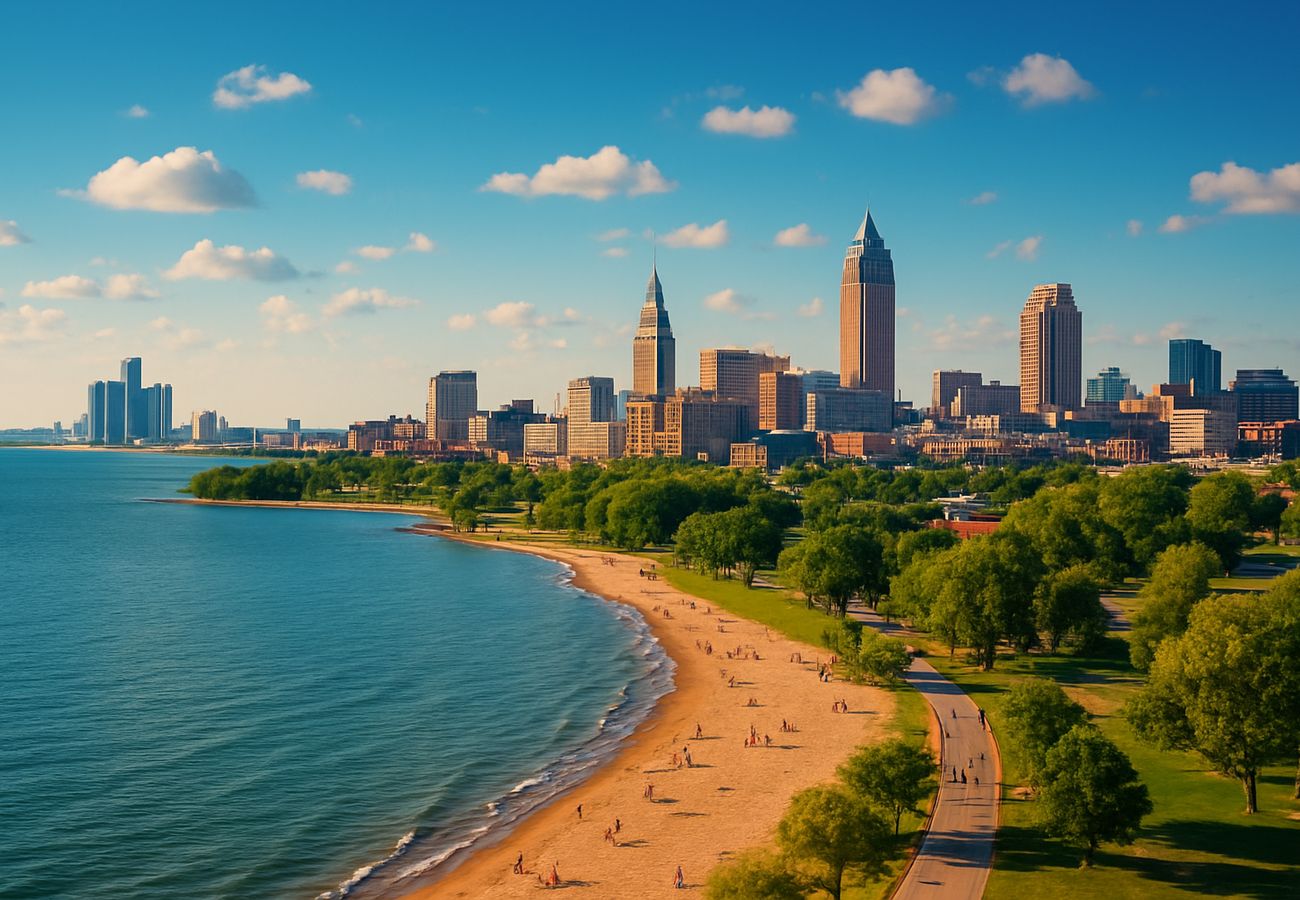
Image generated by AI
A powerful travel resurgence is sweeping across the American Midwest in 2026. Bypassing traditional, high-priced coastal hubs, travelers are increasingly flocking to Chicago, Detroit, Cleveland, Columbus, Indianapolis, and Milwaukee. Fueled by unparalleled affordability, a massive expansion in sports and cultural events, and the rise of the Great Lakes as a premier cruise frontier, this regional renaissance is fundamentally reshaping U.S. tourism patterns.
Context and Background: The Shift Away from the Coasts
The driving force behind this Midwest travel boom is a structural shift in consumer behavior. According to insights aligned with the U.S. Travel Association, domestic tourists are actively seeking value without sacrificing authentic experiences. Coastal destinations have become synonymous with overcrowding and exorbitant pricing, making the Midwest a highly attractive alternative.
This regional surge is characterized by a diversified tourism model. Mid-sized cities are leveraging their unique strengths—from aggressive waterfront redevelopment to the rapid expansion of the Michelin Guide into heartland culinary scenes. Furthermore, the Great Lakes are experiencing unprecedented investment as a new cruise frontier, opening up multi-city maritime itineraries previously unseen in this region.
Breaking Down the Geographic Impact
The resurgence is not monolithic; each city is capturing a specific segment of the global tourism market:
- Chicago: Maintains its stronghold as the primary gateway. While leveraging its massive global connectivity, the city is pivoting toward premium, high-yield experiences—focusing heavily on luxury hospitality and its established Michelin-starred dining scene.
- Detroit: Emerging as the ultimate breakout destination. A massive wave of urban regeneration has transformed the city into a cultural haven for art and music, drawing younger demographics with its unmatched economic accessibility.
- Cleveland: Focusing heavily on infrastructure. Investments in walkability, waterfront public spaces, and world-class museums are driving longer visitor stays and higher satisfaction rates.
- Columbus: Cementing its reputation as the undisputed capital of Midwest sports tourism. Strategic investments, particularly in hosting major women's sporting events, have created a booming, family-friendly event ecosystem.
- Indianapolis: Setting the national benchmark for event-driven economies. Beyond the iconic Indy 500, the city's advanced convention and stadium infrastructure continually draws massive national championships.
- Milwaukee: Rising rapidly as a lifestyle and leisure hotspot. Its combination of vibrant craft beer culture, lakeside festivals, and dynamic culinary circuits appeals heavily to travelers seeking authentic urban environments.
What Guests Get
- Exceptional Affordability: Accommodation and entertainment costs remain significantly lower than in tier-one coastal cities.
- World-Class Culinary Access: The expansion of the Michelin Guide has validated the region's innovative dining scene.
- Unprecedented Event Access: Direct access to major national sporting events, cultural festivals, and large-scale conventions.
- Great Lakes Cruising: New maritime itineraries offering seamless, multi-city exploration via the lakes.
What This Means for Travelers
For travelers planning their 2026 domestic itineraries, the Midwest offers the highest return on investment. If you are looking to avoid the crushing crowds and inflated prices of New York or Los Angeles, cities like Detroit and Milwaukee provide culturally rich, accessible alternatives. Visitors should capitalize on the expanding Great Lakes cruise routes for a unique multi-city perspective, and book accommodations in Columbus and Indianapolis well in advance during peak sporting seasons.
FAQ: Midwest Travel Boom 2026
Why are Midwest cities becoming so popular for tourism? Travelers are prioritizing affordability, authentic cultural experiences, and massive sporting events, all of which Midwest cities provide at a fraction of the cost of coastal destinations.
Are the Great Lakes really a new cruise destination? Yes. Increased investment in maritime infrastructure has transformed the Great Lakes into a rapidly expanding cruise frontier, offering unique, multi-city regional itineraries.
Is Chicago losing its tourism dominance? No. Chicago remains the primary anchor and international gateway for the region. However, it is shifting its strategy to focus on premium, luxury experiences rather than sheer volume growth.
Related Travel Guides
Disclaimer
This article is for informational and educational purposes only. It does not constitute legal, financial, or professional advice. While we strive to provide accurate and up-to-date information, travel policies, regulations, and conditions change rapidly. Always verify information with official sources before making travel decisions. Nomad Lawyer makes no representations about the accuracy, reliability, completeness, or suitability of the information provided. Readers should consult qualified professionals for advice specific to their circumstances. The views expressed in this article are those of the author and do not necessarily reflect the views of Nomad Lawyer.
Kunal K Choudhary
Co-Founder & Contributor
A passionate traveller and tech enthusiast. Kunal contributes to the vision and growth of Nomad Lawyer, bringing fresh perspectives and driving the community forward.
Learn more about our team →