
Travel Alert: Middle East Flight Cancellations and Delays Disrupt Gulf Hubs
Flight disruptions spread across the Middle East, with 66 cancellations and 634 delays recorded at Dubai, Doha, Riyadh, and Cairo airports.

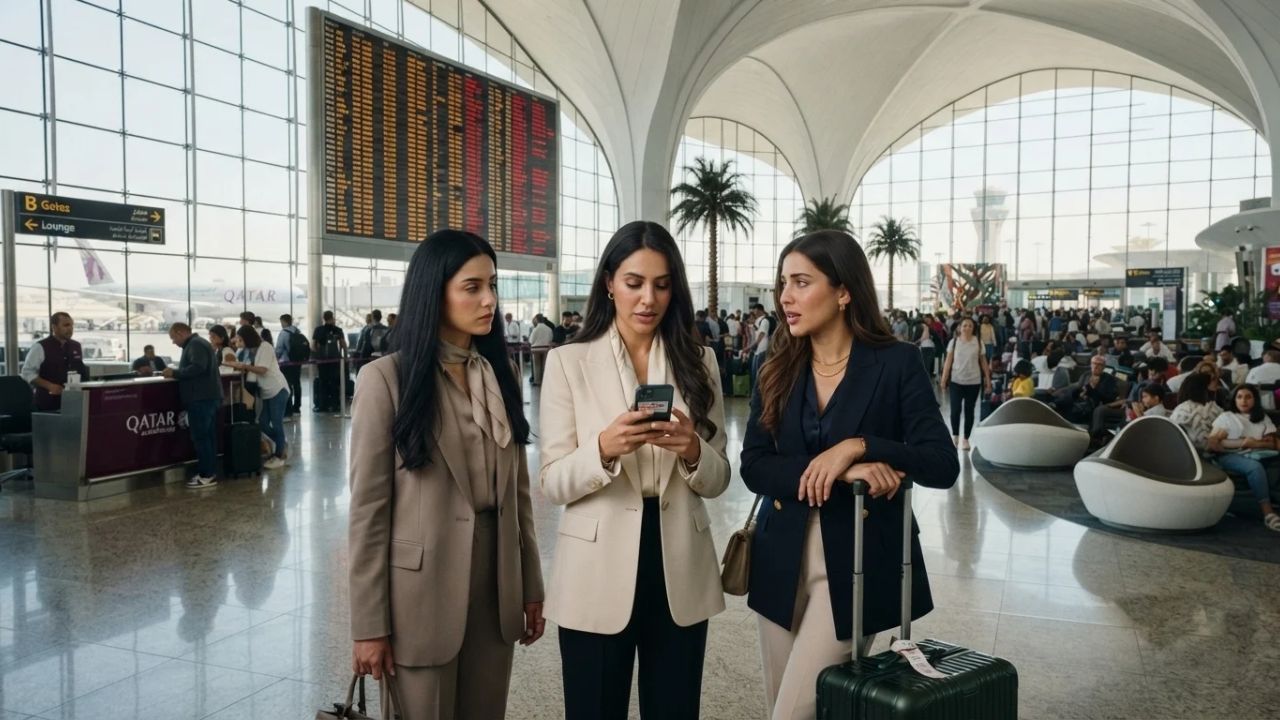
Image generated by AI
Flight disruptions spread across the Middle East, with 66 cancellations and 634 delays recorded at Dubai, Doha, Riyadh, and Cairo airports. The UAE General Civil Aviation Authority (GCAA) indicates that regional operational shifts coordinate flight rescheduling, supporting passenger protection rules across international aviation gateways.
The Transition of Gulf Gateways to High-Congestion Transit Points
A significant trend in Middle Eastern transportation planning is the transition of major Gulf gateways into high-congestion transit points. Historically, regional ministries promoted airport networks primarily as highly synchronized transfer zones with minimal layover windows, relying on precise aircraft rotations to connect long-haul passengers between continents. In 2026, the rise of regional operational constraints, changing weather patterns, and localized airspace restrictions coordinates cascading terminal delays, disrupting transit schedules across multiple neighboring countries.
By managing delayed connections, carriers attempt to restructure passenger transfers. This congestion-heavy travel model coordinates pressure across international transit operations, cargo logistics providers, and hospitality organizations.
Analysis of Regional Airport Delays and Cancellations
The flight tracking data, recorded on 23 August 2026 at 2:52 pm ET USA (23 August 2026 at 10:53 pm GST) via FlightAware, outlines the operational pressure across key Middle Eastern hubs:
- Dubai International Airport (DXB): The UAE hub recorded 156 delayed flights and 2 cancellations, reflecting high congestion levels at one of the world's busiest international terminals.
- Hamad International Airport (DOH): The Qatari gateway reported 121 delayed flights and 2 cancellations, affecting connecting schedules between Europe, Asia, and Africa.
- Cairo International Airport (CAI): The Egyptian gateway experienced 108 delays and 3 cancellations, impacting North African transit networks.
- Saudi Arabia Airport Disruptions: King Khalid International in Riyadh recorded 72 delays and 15 cancellations, while King Abdulaziz International in Jeddah logged 69 delays and 12 cancellations.
- Saudi Regional Terminals: Abha Regional recorded 15 delays and 10 cancellations, while Gizan Regional reported 8 cancellations and Najran Domestic logged 6 cancellations (both without delays).
- Other Gulf Terminals: Sharjah International recorded 46 delays and 6 cancellations, Al Maktoum International logged 18 delays and 1 cancellation, and Kuwait International reported 29 delays and 1 cancellation.
These disruptions affected both domestic connecting routes and major international business travel lanes.
Middle East Flight Disruption and Airport Coordinates
The table below breaks down the affected Middle Eastern airports, recorded delay volumes, cancellation counts, leading disrupted carriers, local operator partners, and coordinating authorities recorded on August 24, 2026:
| Affected Airport | Recorded Delay Volume | Cancellation Count | Leading Disrupted Carrier | Local Operator Partner | Coordinating Authority |
|---|---|---|---|---|---|
| Dubai International (DXB) | 156 delayed flights | 2 cancellations | Emirates (79 delays) | Dubai Airports Company | UAE General Civil Aviation |
| Hamad International (DOH) | 121 delayed flights | 2 cancellations | Qatar Airways | Qatari Civil Aviation | Qatar Civil Aviation Authority |
| Cairo International (CAI) | 108 delays | 3 cancellations | EgyptAir | Cairo Airport Company | Egyptian Civil Aviation Auth |
| King Khalid (RUH) | 72 delays | 15 cancellations | Saudia (25 cancellations) | Riyadh Airports Company | General Authority of Civil Aviation |
| King Abdulaziz (JED) | 69 delays | 12 cancellations | Saudia | Jeddah Airports Company | General Authority of Civil Aviation |
These coordinates outline the airports, delays, cancellations, carriers, partners, and authorities established for the transit recovery programs.
Resource Stewardship and Eco-Aware Transit Management
For the traveler, the benefit of verifying flight status online before driving to the terminal is the avoidance of unnecessary airport transfer emissions and parking zone congestion. Selecting rail travel or regional buses where available reduces reliance on short-haul aviation slots.
Additionally, keeping digital copies of all boarding passes and passenger rights receipts reduces paper waste during compensation claims. Supporting independent dining spots and hotels near regional airports distributes tourist spending to local businesses during overnight delays.
For comparison, you can explore the changing dynamics of Europe Flight Disruption Norway Air Traffic Strike to see how regional labor strikes affect scheduling. For transit updates, comparing flight scheduling matches other networks, such as Airline Tech Glitches Summer Travel Chaos 2026 updates. This trend is similar to the tourism growth seen in other destinations, as detailed in our guide on the Hacienda Heights Bus Fire Transport Safety regulations.
Passenger Protection Tips: Navigating Gulf Transit Delays
If you are currently traveling through Middle Eastern airspace, keep these practical tips in mind:
- Verify Status Before Departure: Check your airline's mobile app before leaving your hotel, especially if departing from Dubai, Doha, Riyadh, or Cairo.
- Request Alternative Routing Early: Contact your carrier's customer service chat to request rebooking on the earliest available partner flight.
- Preserve All Expense Receipts: Retain receipts for meals, refreshments, and hotel accommodation during extended delays, as regional civil aviation authorities require carriers to cover these costs during operational faults.
- Arrive Only for Operating Flights: Avoid waiting in terminal queues unless your airline has confirmed that your replacement flight or rescheduled service is active.
- Avoid Tight Connection Windows: Schedule layovers with at least three hours of safety buffer when booking transit through major long-haul hubs like Dubai or Doha.
Long-Term Outlook for Middle Eastern Air Travel Reliability
The long-term outlook for transit in the Middle East is focused on installing automated passenger rebooking systems, expanding high-speed rail corridors to relieve short-haul air routes, and implementing standardized airspace management systems. As regional travel volumes expand, international aviation departments and regional civil aviation boards will cooperate to maintain passenger standards.
By developing sustainable transit options and protecting joint logistics networks, the transportation sector aims to build a sustainable transport network.
FAQ
Why are Middle Eastern flights delayed today?
Widespread delays are driven by regional operational constraints, delayed aircraft rotations, and localized airspace restrictions affecting transit schedules.
What are my rights if my flight is cancelled in the Middle East?
Under GCAA and GACA regulations, passengers are entitled to rebooking, meals, hotel accommodation during overnight delays, and potential cash compensation depending on the cause of the cancellation.
Which airports in Saudi Arabia are experiencing cancellations?
King Khalid International in Riyadh recorded 15 cancellations, King Abdulaziz International in Jeddah logged 12, Abha Regional reported 10, Gizan Regional reported 8, and Najran Domestic logged 6.
Which airlines recorded the highest delay and cancellation volumes?
Emirates recorded 79 delays, Saudia recorded 39 delays and 25 cancellations, and Air Arabia logged 33 delays and 6 cancellations.
Stay updated on regional travel regulations and air traffic campaigns shaping Middle Eastern transit.
Related Travel Guides
Disclaimer
This article is for informational and educational purposes only. It does not constitute legal, financial, or professional advice. While we strive to provide accurate and up-to-date information, travel policies, regulations, and conditions change rapidly. Always verify information with official sources before making travel decisions. Nomad Lawyer makes no representations about the accuracy, reliability, completeness, or suitability of the information provided. Readers should consult qualified professionals for advice specific to their circumstances. The views expressed in this article are those of the author and do not necessarily reflect the views of Nomad Lawyer.
Raushan Kumar
Founder & Lead Developer
Full-stack developer with 11+ years of experience and a passionate traveller. Raushan built Nomad Lawyer from the ground up with a vision to create the best travel and law experience on the web.
Learn more about our team →