
Middle East Crisis Drags Down Bookings to Turkey, Greece, Cyprus, and Egypt

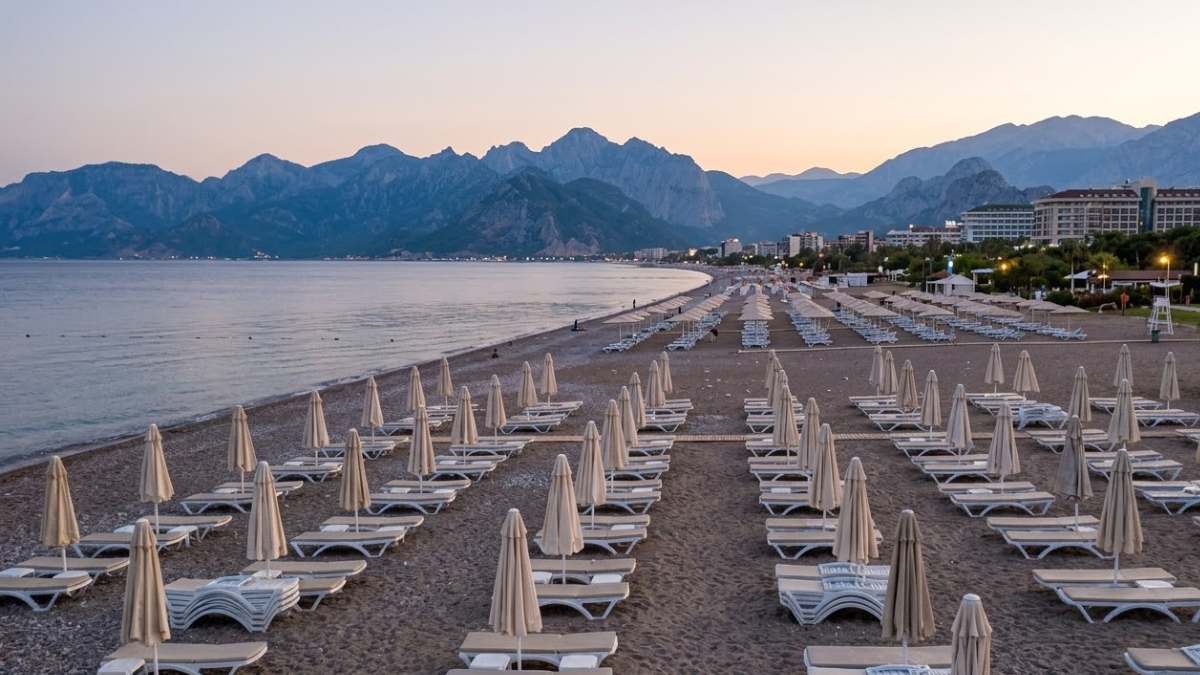
Image generated with AI
**
🚨 Quick Summary
- • The Middle East conflict is costing the global tourism sector an estimated $600 million per day in lost international visitor spending
- • Over 46,000 flights have been canceled globally since the conflict escalated in late February 2026
- • Online holiday operator On The Beach has suspended its profit forecast due to the sharp drop in demand for Turkey, Greece, Cyprus, and Egypt packages
- • EasyJet shares have fallen 20% in the past month; IAG (British Airways' parent) has dropped 14%
The Middle East conflict is now visibly reshaping global travel demand, with holiday bookings to Turkey, Greece, Cyprus, and Egypt falling sharply as travelers opt to stay home rather than risk disruption. The World Travel & Tourism Council estimates the crisis is erasing $600 million per day in international visitor spending — a figure that is accelerating as the Easter booking window approaches, historically the single busiest booking period of the spring travel season.
The immediate financial casualties are spreading well beyond the conflict zone itself. Online holiday operator On The Beach — one of the UK's largest package holiday providers alongside TUI, Thomas Cook, and easyJet — has suspended its profit forecast entirely, directly attributing the decision to weakening demand for Mediterranean and Red Sea holiday packages.
Record Flight Cancellations Signal How Deep the Disruption Runs
More than 46,000 flights have been canceled globally since the conflict intensified in late February 2026. The cancellations have concentrated on routes serving the Eastern Mediterranean and Red Sea regions, but the knock-on effects are being felt across European and Asian hubs as aircraft rotations and crew scheduling unravel.
Airlines still operating routes through or near affected airspace have responded by raising fares on the remaining services — compounding the deterrent effect on leisure travelers who might otherwise consider a Mediterranean booking.
British Airways and easyJet have both reported stock price declines as investors weigh the ongoing impact. EasyJet has shed 20% of its market value over the past month alone. IAG, the parent group that owns British Airways and Iberia, has recorded a 14% drop over the same period.
Turkey, Greece, Cyprus, and Egypt Are Bearing the Steepest Declines
The destinations absorbing the sharpest demand falls are those that sit geographically or perceptually close to the conflict zone. Turkey's Antalya and Marmaris resort strips, Egypt's Hurghada and Sharm el-Sheikh on the Red Sea, and city and beach tourism in Cyprus and Greece are all registering materially lower forward bookings.
In the Gulf, Abu Dhabi and Dubai are also recording slowdowns in inbound visitor numbers despite both cities sitting at a greater operational remove from active conflict areas.
The timing is particularly damaging. Easter 2026 falls at the center of the travel industry's primary early-book window, and the persistence of the conflict through this period means that lost bookings are unlikely to recover even if conditions calm — travelers who don't book now largely shift to domestic alternatives rather than rebooking the same trip later.
Key Facts
- Daily tourism losses: $600 million globally (World Travel & Tourism Council)
- Flights canceled since conflict began (late February 2026): Over 46,000
- On The Beach: Suspended profit forecast; cites Turkey, Greece, Cyprus, Egypt demand decline
- EasyJet share drop: 20% in the past month
- IAG (British Airways parent) share drop: 14% in the past month
- Worst-affected resort areas: Antalya, Marmaris (Turkey); Hurghada, Sharm el-Sheikh (Egypt); Cyprus; Greek islands
- Gulf destinations also slowing: Abu Dhabi, Dubai (UAE)
What This Means for Travelers Planning Spring or Summer Holidays
If you have a booking to Turkey, Greece, Cyprus, or Egypt: Check whether your operator is offering a free amendment or cancellation policy. On The Beach, TUI, and most major package operators have activated flexibility waivers for affected destinations — call customer service to confirm what applies to your specific booking dates and resort.
If you are planning to book: Prices on still-operating routes to these destinations have increased, but availability in many resorts is also higher than normal for this time of year. Flexible-rate bookings with fee-free cancellation windows are currently the most sensible option. Avoid non-refundable deposits until the situation stabilizes.
Consider Mediterranean alternatives: Malta, the Canary Islands, the Algarve, and southern Italy offer comparable beach holiday profiles without current advisory-level proximity to the conflict zone.
Travel insurance is non-negotiable right now. Standard travel insurance does not automatically cover geopolitical disruption — look specifically for policies that include "foreign office advisory" cancellation clauses or FCDO-linked coverage. Review your existing policy carefully before assuming you are covered.
Monitor FCDO and U.S. State Department advisories. Both issue real-time travel advisories that affect whether airlines operate and whether insurance policies are valid. Check both before and immediately after booking.
The Recovery Question: When Will Bookings Rebound?
Tourism boards in Turkey, Egypt, and Cyprus have moved quickly to reassure markets that security at major resort areas is intact and that they remain open to visitors. Egypt and Turkey have both announced enhanced security protocols at key tourist sites, and neither country's resort infrastructure has been directly affected by the conflict itself.
The path to booking recovery, however, depends almost entirely on how long the conflict persists and how quickly consumer confidence responds. Travel industry precedent — from the 2015–2016 period of elevated European attack risk, and from the 2019–2020 Gulf tensions — suggests that leisure bookings to the affected ring of destinations typically recover within two seasons of visible de-escalation, but that the window of lost bookings cannot be reclaimed.
For the Easter 2026 season specifically, the damage is already largely locked in.
FAQ: Middle East Conflict Travel Impact 2026
Which holiday destinations are most affected by the Middle East conflict?
Turkey, Greece, Cyprus, and Egypt are experiencing the steepest booking declines, with resort areas including Antalya, Marmaris, Hurghada, and Sharm el-Sheikh particularly impacted. Abu Dhabi and Dubai are also recording inbound tourism slowdowns.
How many flights have been cancelled due to the Middle East conflict?
Over 46,000 flights have been canceled globally since the conflict escalated in late February 2026, according to data cited by industry operators.
Is it safe to travel to Turkey, Greece, or Egypt right now?
Both Turkey and Egypt remain open to tourists, and their main resort areas are not directly affected by the conflict. Travelers should check the latest FCDO (UK) and U.S. State Department advisories for their specific destination before booking or traveling, and ensure their travel insurance includes geopolitical event coverage.
What should I do if my holiday booking to an affected destination is coming up?
Contact your tour operator or airline directly to ask about fee-free amendment or cancellation options. Most major UK package operators including On The Beach and TUI have activated flexible policies for affected bookings. Purchase or review comprehensive travel insurance that covers FCDO advisory-linked cancellations before departure.
Related Travel Coverage
Delhi Airport Issues Travel Advisory Over West Asia Tensions
Europe: 815 Flights Canceled as Lufthansa Strike and Middle East Airspace Closures Collide
Asia: 594 Cancellations and 2,476 Delays Hit 12 Major Airports from Doha to Delhi
Disclaimer
This article is for informational and educational purposes only. It does not constitute legal, financial, or professional advice. While we strive to provide accurate and up-to-date information, travel policies, regulations, and conditions change rapidly. Always verify information with official sources before making travel decisions. Nomad Lawyer makes no representations about the accuracy, reliability, completeness, or suitability of the information provided. Readers should consult qualified professionals for advice specific to their circumstances. The views expressed in this article are those of the author and do not necessarily reflect the views of Nomad Lawyer.
Kunal K Choudhary
Co-Founder & Contributor
A passionate traveller and tech enthusiast. Kunal contributes to the vision and growth of Nomad Lawyer, bringing fresh perspectives and driving the community forward.
Learn more about our team →