
Middle East Conflict Disrupts Eurovision 2026 Travel for Australian Fans
Escalating Middle East tensions are forcing Australian Eurovision fans to navigate rerouted flights, extended travel times and surging ticket prices to reach Sweden for the May 2026 contest.

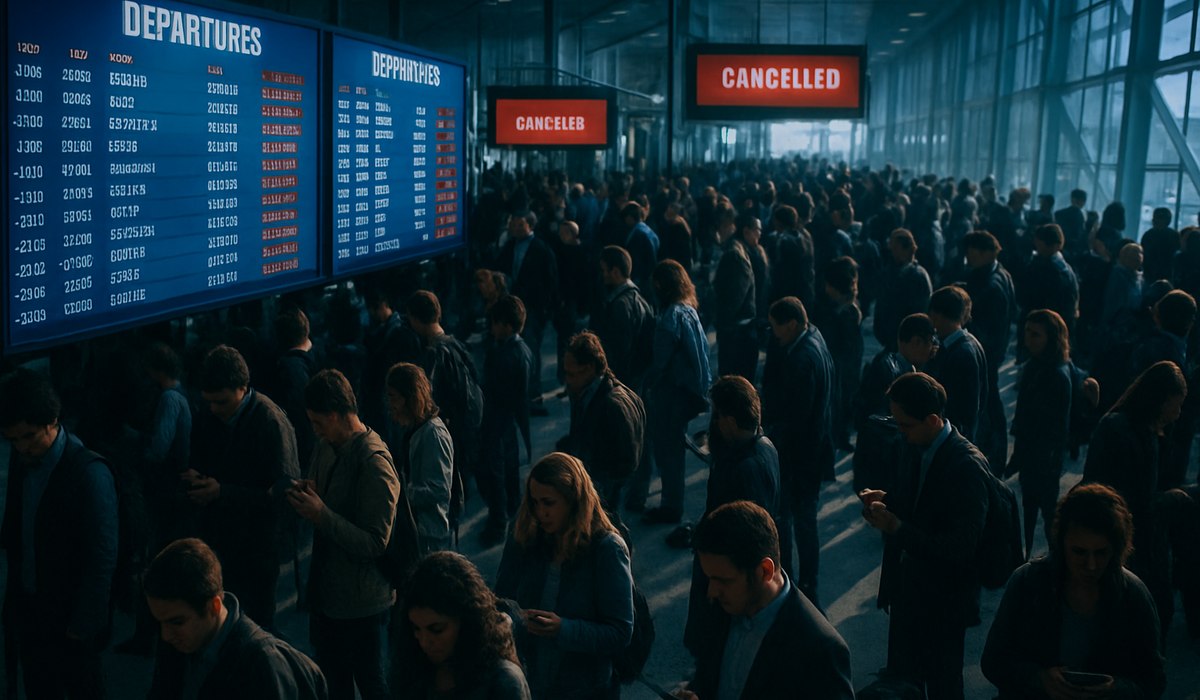
Image generated by AI
Australian Eurovision Fans Face Travel Chaos as Middle East Conflict Reshapes Route Options
Australian Eurovision fans heading to Malmö, Sweden this May are navigating unprecedented travel disruptions. Escalating tensions across the Middle East have triggered sweeping airspace closures that sever critical passages along the traditional Australia-Europe corridor. Airlines are now rerouting flights through Southeast Asian hubs, adding hours to journeys and inflating fares at precisely the moment when bookings for Eurovision 2026 are reaching peak demand. The timing creates a perfect storm for leisure travelers already facing some of the world's longest intercontinental journeys.
Kangaroo Route Severed: How Middle East Closures Affect Australia-Europe Travel
The middle east conflict has forced closure or severe restrictions across airspace over Iran, Iraq, Israel, Jordan, Lebanon and several Gulf states. This development chokes what aviation industry professionals call the "kangaroo route"—the primary pathway connecting Australia with Europe via Middle Eastern hubs.
Traditionally, Australian travelers have relied on Gulf-based carriers like Emirates, Qatar Airways and Etihad to reach Europe in approximately 20-22 hours across two segments. These routes funneled passengers through Dubai, Doha or Abu Dhabi before connecting onward to Scandinavia or central Europe. The current airspace closure eliminates this efficiency entirely.
Airlines have responded by rerouting services through Singapore, Bangkok, Kuala Lumpur and Hong Kong. While these Southeast Asian hubs remain operational, they add intermediate stops and extend total journey times. Qantas has temporarily rerouted its Perth-London nonstop via Singapore, transforming a 17-hour direct flight into a multi-leg journey spanning 24-26 hours of total travel time.
For Eurovision attendees with fixed arrival dates in early May, these detours create cascading complications. Missed connections, overnight layovers in unexpected cities and tight margins for ground transportation become standard rather than exceptional.
Eurovision 2026 Timing Compounds Passenger Chaos
The Eurovision Song Contest in Malmö occurs during the northern hemisphere's peak travel season. This convergence of Eurovision demand with spring holiday travel and the onset of summer bookings has saturated remaining viable routes from Australia to northern Europe.
Capacity constraints across alternative corridors mean fewer available seats on each flight. Competition intensifies among the thousands of Australian Eurovision fans, budget-conscious leisure travelers and business passengers all vying for limited inventory. This scarcity directly feeds fare inflation.
Industry data indicates that average fares on Asia-Europe routes have surged approximately 25 percent since late February when middle east conflict restrictions accelerated. For Australians requiring two or three separate flight segments, these increases compound across every leg of their itinerary. A round-trip ticket that might have cost AUD 1,800 last year now commands AUD 2,250 or higher.
Additionally, the unpredictability of routing changes creates booking anxiety. Travelers who locked in fares weeks ago via traditional Gulf pathways now discover their flights have been rerouted without corresponding price reductions. Airlines maintain the same ticket prices while silently extending journey lengths by four to six hours.
Rising Costs and Insurance Gaps Leave Travelers Vulnerable
Travel insurance policies represent another hidden vulnerability for Eurovision-bound Australians. Many standard travel insurance products exclude or severely limit coverage for delays, cancellations or route changes connected to geopolitical conflict or declared acts of war.
Australian government travel advisories have explicitly warned that policies may not cover disruptions linked to Middle Eastern tensions. Travelers who experience missed connections, unplanned overnight stays or flight cancellations due to airspace closure may discover their insurance provides minimal reimbursement.
For passengers holding basic travel insurance, the financial exposure becomes substantial. A missed Eurovision departure due to a rerouted connection could result in complete loss of accommodation and event tickets—potentially thousands of dollars uncompensated.
Premium insurance products with conflict-related coverage exist, but these typically command 40-60 percent higher premiums. Purchasing these policies now, when the middle east conflict is already impacting bookings, may trigger exclusions for pre-existing geopolitical situations.
What Australians Should Know Before Booking
Beyond insurance and routing concerns, several practical realities shape Eurovision 2026 travel planning. Airlines continue adjusting schedules through late July, meaning early bookings remain subject to unannounced changes. Qantas has announced temporary rerouting through mid-April onward, but these dates remain fluid depending on geopolitical developments.
Southeast Asian hubs now represent the primary bottleneck. Singapore, Bangkok and Kuala Lumpur are processing far higher volumes than normal, creating potential for immigration queues, baggage handling delays and missed connections. Building extra buffer time between segments becomes essential.
Travelers should research ground transportation options from unexpected hub cities. If your rerouted itinerary routes through Bangkok instead of Dubai, you'll benefit from understanding that airport's terminal facilities, rail connections and hotel proximity.
Booking directly with airlines rather than through discount third-party vendors provides greater flexibility if further routing changes occur. Major carriers like Qantas and Air France maintain customer service capacity to accommodate involuntary changes; discount platforms often cannot.
Key Data: Middle East Conflict Impact on Australia-Europe Travel
| Metric | Pre-Conflict (February 2026) | Current (April 2026) | Change |
|---|---|---|---|
| Average Journey Time (AUS to Europe) | 20-22 hours | 24-28 hours | +4-6 hours |
| Typical Fare Range (AUD, return) | AUD 1,600-2,100 | AUD 2,100-2,800 | +25% average |
| Primary Connection Hubs | Dubai, Doha, Abu Dhabi | Singapore, Bangkok, KL | Eastward shift |
| Qantas Perth-London Service | Nonstop, 17 hours | Via Singapore, 2 segments | Temporary reroute |
| Affected Airlines | Emirates, Qatar, Etihad | Qantas, Air France, SQ | Broader impact |
| Estimated Australians Affected (Eurovision) | 8,000-12,000 | Same cohort | Disrupted travel plans |
What This Means for Travelers
-
Book Premium Insurance Now: Secure comprehensive travel insurance that explicitly covers geopolitical disruptions and flight changes. Standard policies frequently exclude conflict-related coverage, leaving you exposed to substantial financial loss if connections fail or itineraries extend.
-
Add 48-Hour Buffer Before Events: Build extra time into your itinerary before Eurovision events or critical commitments. Rerouted flights routinely add unexpected layovers or early morning arrivals that complicate onward ground transportation.
-
Research Alternative Hubs: Familiarize yourself with Singapore's Changi Airport, Bangkok's Suvarnabhumi and Kuala Lumpur International before booking. These are now primary connection points, and understanding their facilities reduces stress during transitions.
-
Lock Direct Bookings with Major Airlines: Avoid deep-discount third-party booking platforms. Qantas, Air France and Singapore Airlines can modify involuntary changes; budget bookers often cannot accommodate rerouting requests.
-
Monitor Routing Changes Weekly: Bookmark your airline's route map and check it weekly through May. Airspace closure developments often trigger unannounced schedule modifications. Early awareness lets you make alternative plans before cascading delays occur.
-
Consider Travel Date Flexibility: If your Eurovision attendance allows flexibility, booking travel 2-3 days before the contest rather than immediately preceding it may improve seat availability and reduce last-minute routing chaos.
Frequently Asked Questions
Q: Will the Middle East conflict resolve before Eurovision 2026? A: Geopolitical developments remain unpredictable. Current
Disclaimer
This article is for informational and educational purposes only. It does not constitute legal, financial, or professional advice. While we strive to provide accurate and up-to-date information, travel policies, regulations, and conditions change rapidly. Always verify information with official sources before making travel decisions. Nomad Lawyer makes no representations about the accuracy, reliability, completeness, or suitability of the information provided. Readers should consult qualified professionals for advice specific to their circumstances. The views expressed in this article are those of the author and do not necessarily reflect the views of Nomad Lawyer.
Raushan Kumar
Founder & Lead Developer
Full-stack developer with 11+ years of experience and a passionate traveller. Raushan built Nomad Lawyer from the ground up with a vision to create the best travel and law experience on the web.
Learn more about our team →