
Autumn Sunshine Escapes: Navigating Miami, Hawaii, and Puerto Rico During Late Storm Season 2026

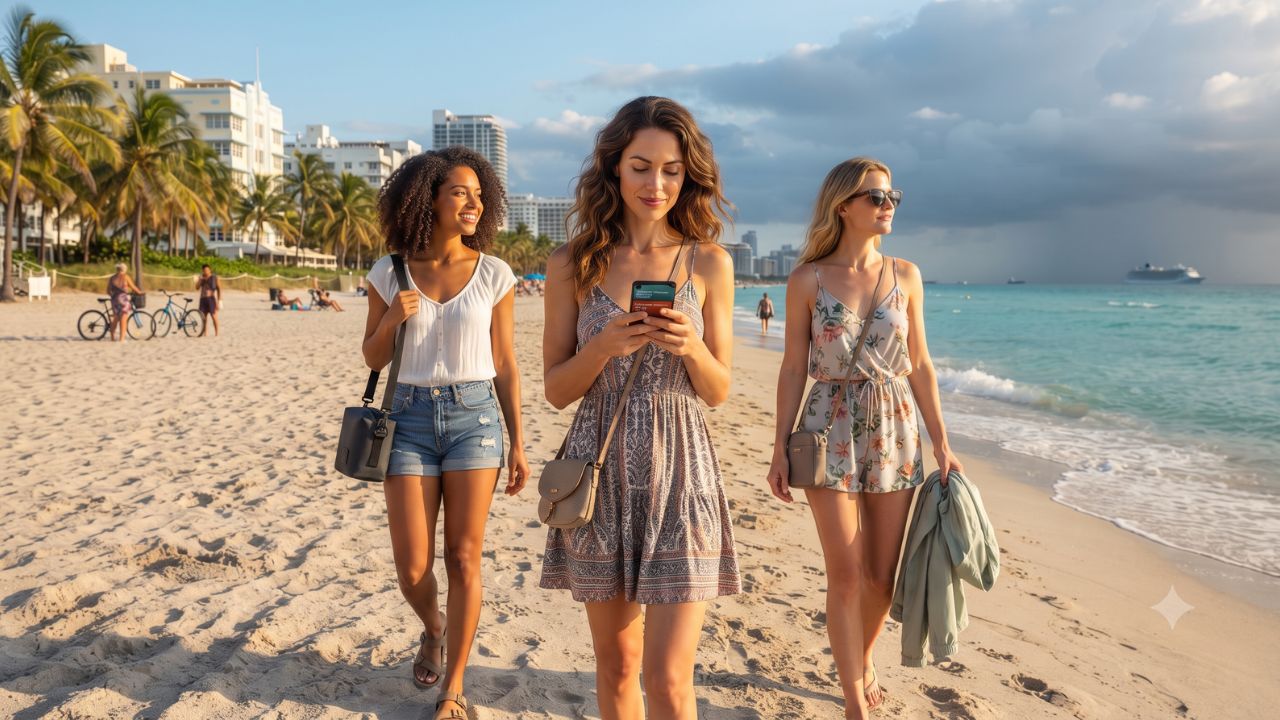
While millions of autumn travelers head north toward foliage trails, over 143 million annual visitors in Florida and approximately 9 million in Hawaii are driving a massive seasonal shift toward tropical sunshine escapes. Comprehensive tracking from the National Hurricane Center (NOAA) indicates that while the official Atlantic and Pacific storm seasons extend through November 30, travelers who understand regional atmospheric patterns and maintain flexible bookings can enjoy warm waters, vibrant cultural districts, and uncrowded coastal resorts at significant shoulder-season value.
Rather than waiting for winter peak rates, forward-thinking explorers are choosing coastal getaways across South Florida, the Florida Keys, the Hawaiian Islands, Puerto Rico, and the U.S. Virgin Islands. By pairing real-time weather monitoring with localized neighborhood exploration, travelers experience the best of America's warm-weather sanctuaries while respecting seasonal marine environments.
The Tropical Pivot: Where Autumn Sunshine Travelers Are Heading
Official visitor statistics demonstrate the enduring strength of America's foremost warm-weather tourism corridors:
- Florida and the Greater Miami Coast: Florida recorded an all-time record of 143 million total visitors in 2024, supported by 130.65 million domestic arrivals, 8.94 million overseas visitors, and 3.41 million Canadian holidaymakers. Monitored through Miami and Beaches, visitors bypass autumn chills to explore South Beach Art Deco architecture, Cuban culinary traditions in Little Havana, avant-garde street art in Wynwood, and major cruise departures from PortMiami.
- The Florida Keys and Overseas Highway: Extending 125 miles into the Straits of Florida, the Keys offer world-class scuba diving along living coral reefs in Key Largo, sportfishing in Islamorada, and bohemian sunset gatherings at Mallory Square in Key West.
- Puerto Rico and the Caribbean: According to Discover Puerto Rico, the island provides seamless domestic access for US travelers without passport requirements. Visitors combine colonial history in Old San Juan with bioluminescent bay kayaking in Vieques and rainforest hikes in El Yunque National Forest.
- The Hawaiian Islands: Supported by GoHawaii, Hawaii continues welcoming around 9 million annual visitors across Oahu, Maui, Kauai, and the Big Island, offering world-renowned volcanic trekking, surf breaks, and Polynesian cultural heritage.
- The U.S. Virgin Islands: St. Thomas, St. John, and St. Croix attract sailing enthusiasts and beach lovers seeking pristine turquoise bays within Virgin Islands National Park.
Understanding the Late-Season Hurricane Dynamic
Because autumn travel overlaps with the concluding months of the Atlantic hurricane season (June 1 through November 30) and active Pacific tropical tracks, understanding coastal geography is essential:
- Florida and the Gulf Coast: Historical storm track databases maintained by NOAA confirm that South Florida and the Gulf Coast experience elevated exposure to tropical depressions and storm surges during early autumn. Modern resort infrastructure and advanced meteorological forecasting provide multi-day notice for any developing weather systems.
- Puerto Rico and the Eastern Caribbean: Caribbean islands navigate fast-moving tropical waves that can bring localized mountain downpours and river swelling. Coastal resorts generally maintain independent power grids and comprehensive storm mitigation protocols.
- Hawaii's Pacific Microclimates: Hawaii's massive volcanic peaks alter approaching Pacific storms, often deflecting systems or dissipating wind intensity while producing localized rain squalls along windward mountain slopes.
What Makes These Tropical Sanctuaries Culturally Distinct
Beyond warm temperatures and sandy shores, each sunshine destination possesses a unique cultural heritage shaped by maritime history and diverse communities.
In Miami, the city's pulse is fueled by Latin American and Caribbean diaspora influences, where sidewalk cafes serve fragrant Cuban cafecito alongside Haitian art galleries in Little Haiti and luxury design boutiques in the Design District.
In Puerto Rico, the centuries-old cobblestones of Old San Juan echo with the rhythms of bomba y plena, while roadside chinchorros serve savory mofongo and crispy lechón in the central mountain range. In Hawaii, indigenous kānaka maoli values emphasize aloha ʻāina (deep reverence for the land and ocean), guiding visitors toward authentic cultural exchanges rather than superficial resort encounters.
Visitor Insider Tips for Autumn Sunshine Travel
Maximizing your warm-weather escape while safeguarding your travel investment requires practical local knowledge:
- Secure Comprehensive "Cancel For Any Reason" Travel Insurance: When booking flights and accommodations between September and November, purchase travel insurance that covers tropical storm delays, flight cancellations, and mandatory evacuation orders.
- Track the National Hurricane Center 7-Day Graphical Outlook: Check the NOAA National Hurricane Center website twice daily. Their seven-day tropical weather outlooks provide clear, color-coded tracking of potential storm formations days before they impact flight corridors.
- Take Advantage of Autumn Shoulder-Season Hotel Rates: Because October sits between the summer vacation rush and the December holiday peak, luxury beachfront properties in Miami Beach and San Juan often offer discounts of 30% to 40% compared to winter high-season rates.
- Have an Indoor Cultural Plan Ready: If an afternoon rain shower passes through, pivot seamlessly to world-class cultural institutions like the Pérez Art Museum Miami (PAMM), the Museo de Arte de Puerto Rico, or the Bishop Museum in Honolulu.
- Book Nonstop Morning Flights: Tropical convection and afternoon thunderstorms build with daytime heat. Booking early morning departures significantly reduces the likelihood of air traffic control ground stops and connection delays.
Cultural and Environmental Context: Reef Conservation and Coastal Resilience
Tourism in coastal and island destinations interacts directly with delicate marine and wetland ecosystems.
Along the Florida Reef Tract—the only living barrier coral reef in the continental United States—marine biologists and community volunteers are outplanting heat-resilient nursery-grown corals to restore storm-damaged barrier reefs. In Puerto Rico and Hawaii, community-led watershed restorations protect fragile seagrass beds and marine reserves from terrestrial soil erosion caused by heavy autumn rains.
Travelers are urged to practice reef-safe sun protection by using only non-nano mineral sunscreens containing zinc oxide or titanium dioxide, avoiding single-use plastics that wash into storm drains, and supporting local eco-certified tour operators who actively fund marine habitat restoration.
FAQ: Visiting US Sunshine Destinations in Autumn 2026
Is it safe to visit Florida, Puerto Rico, or Hawaii during hurricane season?
Yes. Major hurricanes are relatively rare events, and modern satellite forecasting provides days of advance warning, allowing travelers to adjust plans safely with airline waivers.
What happens if a tropical storm affects my flight?
U.S. airlines routinely issue flexible travel waivers during named tropical storms, allowing passengers to change flight dates or obtain refunds without penalty.
Are beaches open in Miami and Puerto Rico during October?
Yes. Public beaches remain open year-round, with ocean water temperatures averaging a pleasant 27°C to 28°C throughout October.
Do I need a passport to visit Puerto Rico or the US Virgin Islands?
No. As U.S. territories, Puerto Rico and the U.S. Virgin Islands do not require passports for U.S. citizens traveling domestically from the mainland (REAL ID required).
From sunset sails in the Florida Keys to the rhythmic surf of Puerto Rico, America's tropical shores offer the ultimate autumn escape for the prepared traveler.
Related Travel Guides
Disclaimer
This article is for informational and educational purposes only. It does not constitute legal, financial, or professional advice. While we strive to provide accurate and up-to-date information, travel policies, regulations, and conditions change rapidly. Always verify information with official sources before making travel decisions. Nomad Lawyer makes no representations about the accuracy, reliability, completeness, or suitability of the information provided. Readers should consult qualified professionals for advice specific to their circumstances. The views expressed in this article are those of the author and do not necessarily reflect the views of Nomad Lawyer.
Preeti Gunjan
Contributor & Community Manager
A passionate traveller and community builder. Preeti helps grow the Nomad Lawyer community, fostering engagement and bringing the reader experience to life.
Learn more about our team →