
Miami Airport Travel Chaos: 265 Flights Delayed, 9 Canceled Across American Airlines, United, Frontier Disrupting Routes to New York, Chicago, London, Dallas, Los Angeles
Miami International Airport grinds to halt as 265 flights delayed and 9 canceled, stranding thousands across major US and international routes.

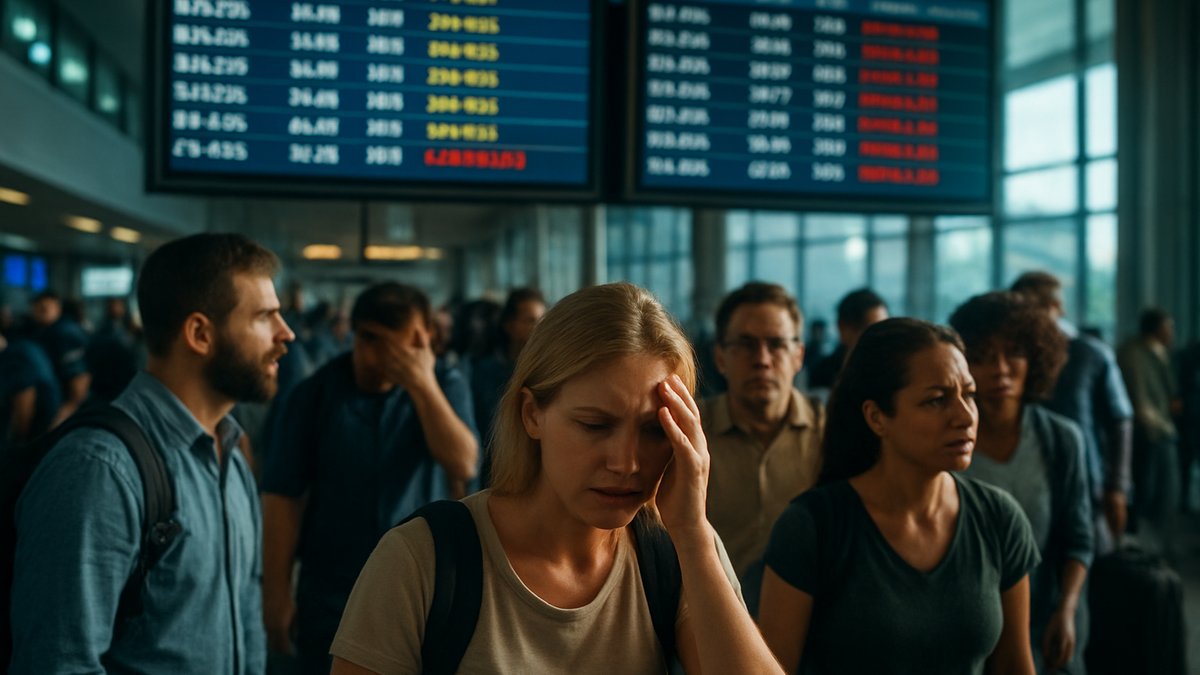
Image generated by AI
Miami International Airport descended into travel chaos today as 265 flights faced significant delays and 9 were completely canceled, creating a cascading disruption that rippled across the United States and international destinations. The massive flight delays today at MIA have left thousands of passengers stranded, frustrated, and scrambling to rebook connections to critical hubs including New York, Chicago, London, Dallas, and Los Angeles. This represents one of the most severe airport disruptions in recent months, affecting multiple major carriers and leaving travelers facing extended waits, missed connections, and uncertain travel plans.
The disruption at Miami International Airport has impacted virtually every major airline operating from the facility, with American Airlines, United Airlines, and Frontier Airlines among the hardest hit carriers. Passengers bound for New York's LaGuardia and JFK airports, Chicago's O'Hare International Airport, Dallas-Fort Worth International Airport, and Los Angeles International Airport have experienced cascading delays as the Miami hub struggles to clear its backlog. International travelers heading to London Heathrow and other European destinations have also been caught in the airport chaos, with some flights delayed by multiple hours and others canceled outright. The sheer volume of affected passengers—spanning both domestic and international routes—has created unprecedented strain on airport resources and airline customer service operations.
The scale of this travel disruption cannot be overstated, with 265 delayed flights and 9 cancellations representing a significant operational failure at one of America's busiest aviation hubs. According to the Federal Aviation Administration (FAA), Miami International Airport handles over 40 million passengers annually, making any disruption of this magnitude a critical issue for the broader aviation network. The cascading effect of delays at Miami has created bottlenecks at connecting airports, particularly affecting travelers with tight connections to New York, Chicago, and Dallas. Airlines have issued statements acknowledging the disruptions, though specific causes remain under investigation. The International Air Transport Association (IATA) has noted that such large-scale disruptions can cost the aviation industry millions of dollars in operational losses and passenger compensation.
Passengers stranded at Miami International Airport have reported scenes of significant airport chaos, with overcrowded terminals, overwhelmed customer service desks, and limited information about rebooking options. Families with young children, elderly travelers, and business passengers with critical meetings have all been caught in the disruption, facing uncertain timelines for departure. Many travelers have taken to social media to express frustration about the lack of communication from airlines and airport authorities. The situation has been particularly acute for international passengers heading to London and other European cities, who face not only flight delays but also potential visa and accommodation complications due to missed connections. Some passengers have reported waiting over six hours for rebooking assistance, with limited availability on alternative flights to their intended destinations.
The broader travel disruption extends far beyond Miami, with ripple effects felt across the entire North American aviation network. Flights originating from New York, Chicago, Dallas, and Los Angeles that were scheduled to connect through Miami have experienced secondary delays as aircraft and crews become misaligned. The U.S. Department of Transportation (DOT) has been monitoring the situation closely, as such disruptions trigger automatic compensation obligations for affected passengers under federal regulations. Airlines operating from Miami have activated their contingency plans, including deploying additional aircraft and crew members to clear the backlog, though recovery is expected to take several hours or potentially extend into the following day. The disruption serves as a stark reminder of the fragility of modern air travel networks and the cascading impact that operational failures at major hubs can have on the entire system.
For travelers currently at Miami International Airport or with upcoming flights from the facility, immediate action is essential. Contact your airline directly through their official customer service channels or visit their website to verify your flight status before heading to the airport. If your flight has been canceled, request rebooking on the next available flight to your destination, whether that's New York, Chicago, London, Dallas, Los Angeles, or elsewhere. Document all expenses related to the disruption, including meals, accommodation, and ground transportation, as you may be entitled to compensation under DOT regulations. Consider purchasing travel insurance for future bookings to protect against similar disruptions, and monitor real-time flight tracking applications for the most current information about airport operations and flight status.
Related Travel Guides
Disclaimer
This article is for informational and educational purposes only. It does not constitute legal, financial, or professional advice. While we strive to provide accurate and up-to-date information, travel policies, regulations, and conditions change rapidly. Always verify information with official sources before making travel decisions. Nomad Lawyer makes no representations about the accuracy, reliability, completeness, or suitability of the information provided. Readers should consult qualified professionals for advice specific to their circumstances. The views expressed in this article are those of the author and do not necessarily reflect the views of Nomad Lawyer.
Raushan Kumar
Founder & Lead Developer
Full-stack developer with 11+ years of experience and a passionate traveller. Raushan built Nomad Lawyer from the ground up with a vision to create the best travel and law experience on the web.
Learn more about our team →