
Travel Alert: U.S. Issues Level 1 Travel Advisory for Yucatán and Campeche
Yucatán and Campeche become the only Mexican states to receive the U.S. State Department's lowest Level 1 travel advisory rating.

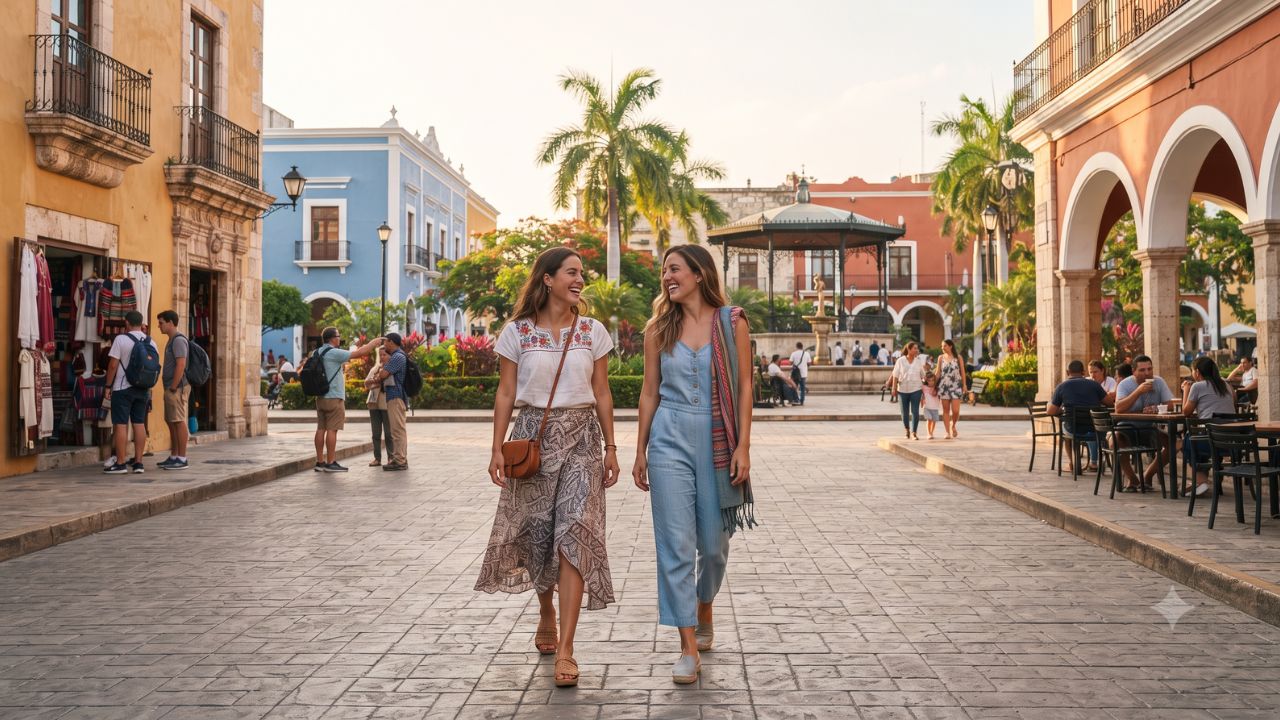
Image generated by AI
Yucatán and Campeche become the only Mexican states to receive the U.S. State Department's lowest Level 1 travel advisory rating. The Secretariat of Tourism of Mexico (SECTUR) indicates that regional safety classifications coordinate international bookings, supporting hotel occupancy levels across colonial heritage sites.
The Transition of Tourism Corridors to Low-Risk Safety Zones
A significant trend in Latin American travel planning is the transition of specific tourism corridors into verified low-risk safety zones. Historically, international foreign offices issued generalized, country-wide travel warnings, planning advisories that grouped quiet heritage states together with high-risk border regions under a single cautionary banner. In 2026, the implementation of localized state-level security measures and public-private police coordination allows specific states to secure the lowest travel risk ratings, distinguishing themselves from adjacent territories and attracting safety-conscious international travelers seeking cultural immersion.
By coordinating local security programs with foreign government employees' travel rules, states lift restrictions on diplomatic arrivals. This localized safety model benefits local boutique hotels, archaeological tour guides, and regional restaurants.
U.S. Travel Advisory Framework and Sourcing Coordinates
The updated U.S. Department of State classification establishes clear divisions across the peninsula:
- Lowest Safety Classification: Yucatán and Campeche are the only Mexican states assigned the Level 1 travel advisory rating (recommending normal safety measures).
- Employee Travel Status: The Level 1 rating removes all travel and transit restrictions for U.S. government employees traveling or working throughout both states.
- Regional Contrast: Surrounding peninsula regions, including Quintana Roo (which hosts Cancún, Playa del Carmen, and the Riviera Maya), remain under a Level 2 travel advisory (recommending increased caution due to crime and violent incidents).
- National Status: Mexico as a whole continues to operate under a Level 2 travel advisory at the national level, reflecting broader challenges in cartel-heavy zones.
- U.S. Rating Scale: The system utilizes four classifications: Level 1 (normal precautions), Level 2 (increased caution), Level 3 (reconsider travel), and Level 4 (do not travel).
The rating is expected to increase international traveler interest in the Mayan heritage sites of Chichén Itzá and Uxmal.
Mexico State-Level Sourcing and Security Coordinates
The table below breaks down the project sectors, specific states, active safety ratings, regional attractions, U.S. employee guidelines, and coordinating authorities recorded on August 24, 2026:
| Core Project Sector | Specific States | Active Safety Rating | Regional Attractions | U.S. Employee Guidelines | Coordinating Authority |
|---|---|---|---|---|---|
| Travel safety | Yucatán & Campeche | Level 1 (normal precautions) | Mérida & Campeche City | No travel restrictions | U.S. Department of State |
| Regional tourism | Quintana Roo state | Level 2 (increased caution) | Cancún & Riviera Maya | Avoid transit after dark | Secretariat of Tourism (SECTUR) |
| Transit logistics | Mexico national level | Level 2 (increased caution) | Archaeological ruins | Limit highway travel | State Police Departments |
These coordinates outline the sectors, states, ratings, attractions, guidelines, and authorities established for the travel safety programs.
Resource Stewardship and Eco-Aware Peninsula Travel
For the traveler, the benefit of choosing destinations that maintain a Level 1 rating is the ability to utilize local public bus systems (such as the ADO coach network) to explore regional towns, reducing carbon emissions compared to hiring individual private transfers. Sourcing meals from local family-run kitchens (cocinas económicas) in Mérida ensures travel spending directly coordinates support for the local community economy.
Additionally, booking excursions through local cooperatives managing cenotes (natural sinkholes) protects the delicate underground freshwater systems of the Yucatán Peninsula. Sourcing handicrafts from independent Mayan artisans ensures your holiday spending supports cultural heritage preservation.
For comparison, you can explore the changing dynamics of Ukrainian Railways Suspends Kherson to Mykolaiv Rail Route to see how rail networks manage security disruptions. For transit updates, comparing travel scheduling matches other networks, such as US Flight Disruptions Weather Cancellations Delays updates. This trend is similar to the tourism growth seen in other destinations, as detailed in our guide on the Hacienda Heights Bus Fire Transport Safety regulations.
Traveler Insider Tips: Safety Logistics in Yucatán and Campeche
If you are planning an upcoming trip to the Yucatán Peninsula, keep these practical tips in mind:
- Avoid Nighttime Highway Travel: Even within Level 1 states, avoid driving between municipal districts after dark, as road lighting is limited in rural communities.
- Select Authorized Taxi Services: Utilize official site taxis or app-based booking options instead of hailing street cabs in downtown Mérida or Campeche.
- Keep Emergency Contacts Handy: Note that emergency services and bilingual support can be limited in remote archaeological sites and rural cenotes.
- Exercise Caution in Isolated Areas: Stay on designated pathways when exploring quiet Mayan ruins or nature-based wildlife parks.
- Check Quintana Roo Guidelines: Follow increased safety precautions and remain alert if crossing state lines into Level 2 zones like Tulum or Cancún.
Long-Term Outlook for Mexico's Southern Tourism Corridors
The long-term outlook for transit is focused on expanding the Tren Maya passenger rail network with advanced security protocols, transitioning regional transit fleets to low-emission vehicles, and deploying smart surveillance grids in historic city centers. As global traveler demand for cultural travel grows, international transit departments and national security boards will cooperate to maintain passenger standards.
By developing sustainable transit options and protecting regional environments, the transportation sector aims to build a sustainable transport network.
FAQ
Which Mexican states have received the Level 1 travel safety rating?
Yucatán and Campeche are the only Mexican states currently classified under the U.S. State Department's lowest Level 1 travel advisory rating.
What does a Level 1 travel advisory mean for travelers?
A Level 1 rating recommends that travelers exercise normal safety precautions, indicating a stable environment compared to higher-risk areas.
What is the safety status of Cancún and the Riviera Maya?
These destinations are located in Quintana Roo, which remains under a Level 2 travel advisory, recommending travelers exercise increased caution.
Are U.S. government employees allowed to travel to Yucatán?
Yes, the U.S. government places no travel or transit restrictions on its employees traveling or working throughout Yucatán and Campeche.
Stay updated on regional travel regulations and security campaigns shaping Mexican transit.
Related Travel Guides
Disclaimer
This article is for informational and educational purposes only. It does not constitute legal, financial, or professional advice. While we strive to provide accurate and up-to-date information, travel policies, regulations, and conditions change rapidly. Always verify information with official sources before making travel decisions. Nomad Lawyer makes no representations about the accuracy, reliability, completeness, or suitability of the information provided. Readers should consult qualified professionals for advice specific to their circumstances. The views expressed in this article are those of the author and do not necessarily reflect the views of Nomad Lawyer.
Raushan Kumar
Founder & Lead Developer
Full-stack developer with 11+ years of experience and a passionate traveller. Raushan built Nomad Lawyer from the ground up with a vision to create the best travel and law experience on the web.
Learn more about our team →