
Mexico's Bold LGBTQ+ Tourism Push: Sectur Partners With Queer Destinations to Capture High-Value Travel Market in 2026
Mexico's Ministry of Tourism partners with Queer Destinations to position the nation as a global LGBTQ+ travel leader, expanding inclusive hospitality across emerging regions while capitalizing on the high-spending travel segment.

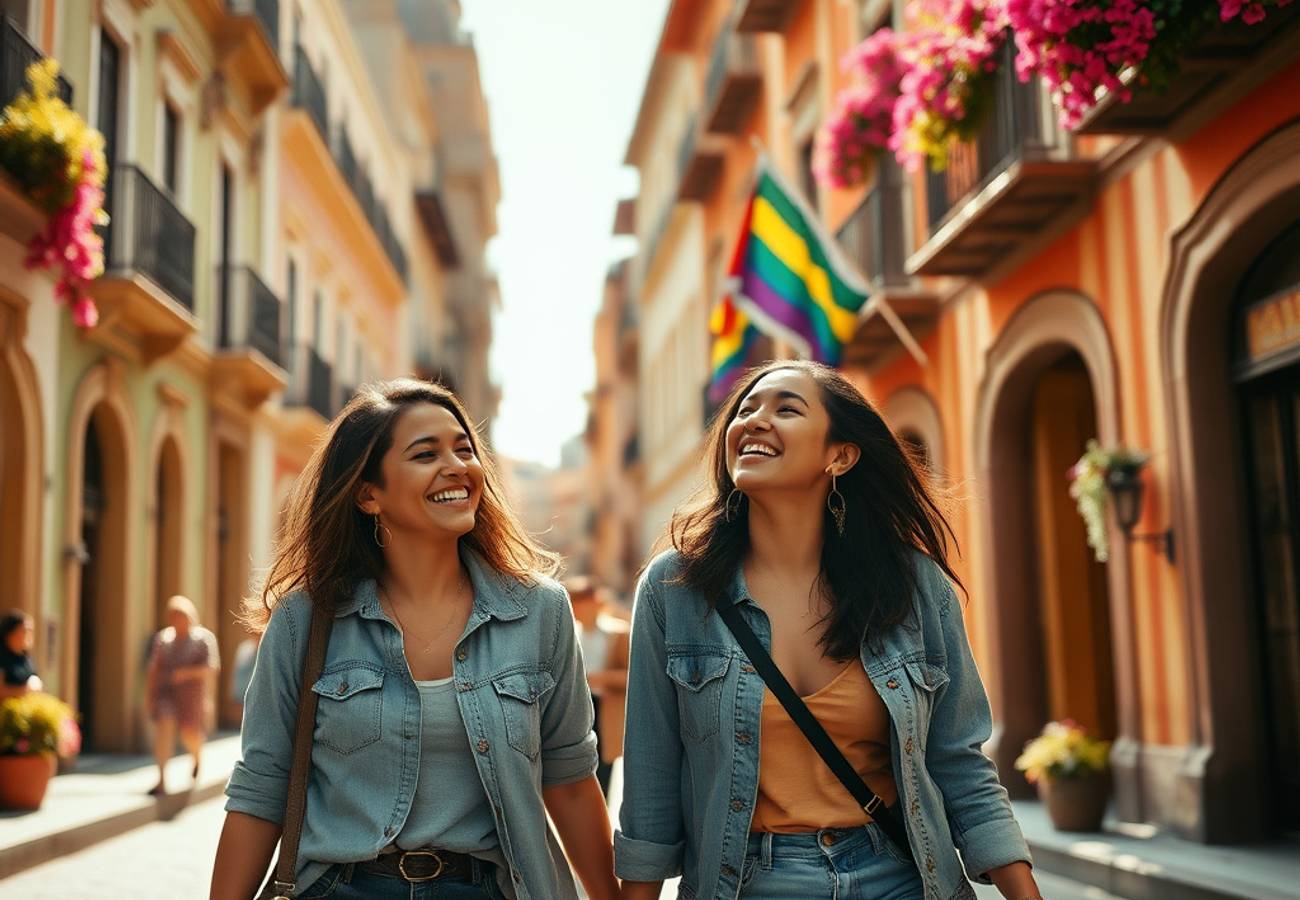
Image generated by AI
Mexico Doubles Down on LGBTQ+ Tourism as Economic Powerhouse
Mexico's Ministry of Tourism (Sectur) just made a major strategic move. They've formalized a sweeping partnership with Queer Destinations, a global organization specializing in LGBTQ+ travel promotion, through a 2025–2030 cooperation agreement designed to position Mexico as the world's premier inclusive tourism destination.
Tourism Secretary Josefina Rodríguez Zamora outlined the initiative's 2026 milestones, signaling that Mexico isn't treating this as a niche marketing campaign—it's embedding inclusivity into the entire tourism value chain.
The numbers tell the story. LGBTQ+ travelers consistently spend more per trip, travel more frequently, and demonstrate stronger destination loyalty than traditional tourism segments. For Mexico, this means serious economic upside.
Reddit: "Mexico City Pride is absolutely insane. Best experience of my life, and the city just gets it. Now they're expanding that vibe everywhere?" — r/travel
Why This Partnership Matters Now
The timing isn't random. Global tourism is shifting. Younger, long-haul international travelers increasingly choose destinations based on acceptance, safety, and cultural openness—not just beaches and resorts.
By formalizing its commitment to LGBTQ+ hospitality through structured training programs, certification systems, and international marketing partnerships, Mexico is capturing a demographic that other destinations are still ignoring.
The agreement spans the entire tourism ecosystem: hotels, tour operators, transportation providers, destination managers, and local communities. Everyone's being trained. Everyone's being certified.
Mexico City, Puerto Vallarta, and the Established Powerhouses
Mexico City needs no introduction in LGBTQ+ circles. The capital hosts one of Latin America's largest Pride celebrations, drawing international visitors annually and cementing its status as a inclusive tourism hub.
Puerto Vallarta has been the region's LGBTQ+-friendly beach destination for decades, with a mature hospitality infrastructure catering to diverse travelers. It's the tested model that works.
Guadalajara rounds out the established trio, each offering distinct cultural experiences while maintaining strong reputations for openness and inclusion.
These three cities provide the foundation. But here's the strategic play: expansion.
The Real Innovation: Spreading Inclusion Beyond the Big Three
This is where the Queer Destinations partnership becomes genuinely interesting. Rather than concentrating tourism in established hubs, Mexico is strategically promoting emerging regions through the queerdestinations.com platform.
Los Cabos, Yucatán, Oaxaca, and Nayarit are being positioned as inclusive travel options with diverse offerings: luxury coastal resorts, cultural heritage sites, eco-tourism, and adventure travel. Each destination brings something different.
The strategic benefit? Distributing tourism flows reduces overtourism pressure on Mexico City and Puerto Vallarta while driving sustainable economic development across regions still building international profiles.
Small businesses and community-based tourism initiatives in these emerging destinations gain direct access to a global, high-spending demographic.
Professionalization: Training the Entire Industry
Words matter less than systems. Mexico's betting big on standardized training and certification.
Industry-wide awareness programs, job-skill certifications aligned with international hospitality standards, and structured inclusivity frameworks are being introduced at major platforms like Tianguis Turístico 2026—Mexico's largest tourism trade show.
Hotels aren't just "being inclusive." They're being trained, certified, and held to measurable standards. Tour operators. Transportation providers. Restaurant staff. Everyone.
This professionalization approach separates Mexico's strategy from simple marketing rhetoric. It's infrastructure-level commitment.
The Economic Reality: Why This Matters to Local Communities
Tourism authorities have been clear: inclusive tourism isn't charity work. It's economic strategy.
The LGBTQ+ travel market's high spending and frequency translate into direct benefits for small businesses, service providers, and municipalities. But only if they're equipped to serve it effectively.
By expanding inclusive tourism beyond traditional hubs to emerging regions, Mexico ensures that economic development isn't concentrated in already-wealthy coastal areas.
Yucatán and Oaxaca benefit. Local workers get trained. Businesses grow.
Global Competitiveness and Destination Branding
Here's what destination marketing research shows: inclusivity increasingly determines destination choice among international travelers. It's not a secondary factor—it's primary.
Mexico's competing against Thailand, Spain, Portugal, and other emerging inclusive destinations. By formalize its commitment through structured partnerships and certification systems, Mexico gains international credibility that casual marketing can't buy.
The Queer Destinations platform provides global visibility. Structured certification systems provide consistency. Long-term commitment (through 2030) provides security.
Looking at 2026 and Beyond
The framework is ambitious. Established destinations maintain their position as accessibility hubs while new regions gain international visibility. Training programs scale across the industry. Certification becomes standard.
If execution matches strategy, Mexico could further solidify its position as the most diverse and competitive LGBTQ+-friendly destination globally—while ensuring tourism economics reach communities beyond the traditional power centers.
The partnership between Sectur and Queer Destinations signals Mexico isn't chasing trends. It's building infrastructure.
The real test isn't the announcement—it's whether every hotel, operator, and destination actually delivers on the promise.
Related Travel Guides
Disclaimer
This article is for informational and educational purposes only. It does not constitute legal, financial, or professional advice. While we strive to provide accurate and up-to-date information, travel policies, regulations, and conditions change rapidly. Always verify information with official sources before making travel decisions. Nomad Lawyer makes no representations about the accuracy, reliability, completeness, or suitability of the information provided. Readers should consult qualified professionals for advice specific to their circumstances. The views expressed in this article are those of the author and do not necessarily reflect the views of Nomad Lawyer.
Kunal K Choudhary
Co-Founder & Contributor
A passionate traveller and tech enthusiast. Kunal contributes to the vision and growth of Nomad Lawyer, bringing fresh perspectives and driving the community forward.
Learn more about our team →