
Southern Europe Partners to Accelerate Mediterranean Tourism Growth, Integrating Digital Travel Systems and Sustainable Tourism Strategies: Latest Update
Italy, Greece, Spain, Malta, and Croatia lead a Mediterranean tourism renaissance in 2026 through digital tech, luxury retreats, and sustainable tourism strategies.

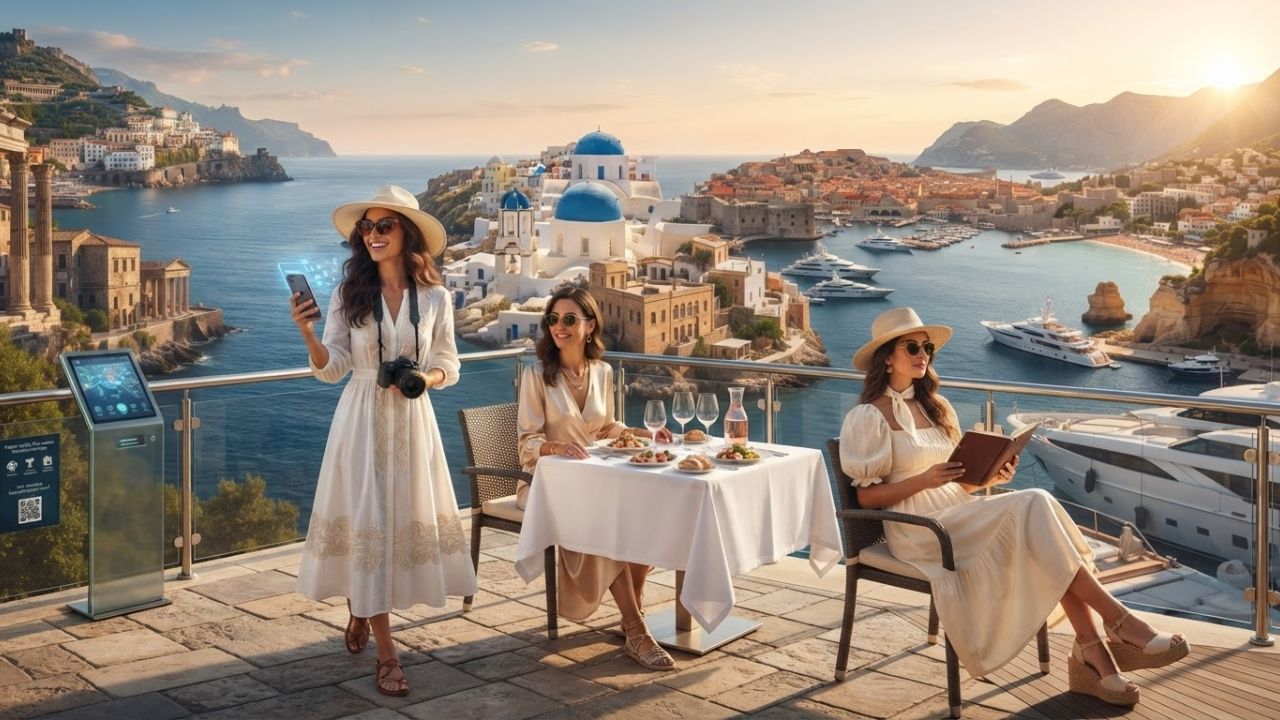
Image generated by AI
Published on July 21, 2026
A powerful structural transformation is reshaping the travel landscape of southern Europe as Mediterranean nations collaborate to build a resilient, year-round holiday ecosystem. Countries including Italy, Greece, Spain, Malta, Croatia, Cyprus, Montenegro, Turkey, and Portugal are investing in digital infrastructure and premium hospitality to attract high-value global travelers. By incorporating advanced destination management systems and sustainable tourism strategies, these nations aim to shift from traditional seasonal tourism toward a balanced model focused on cultural discovery and local preservation.
Quick Summary
- Regional Renaissance: Mediterranean Europe is transforming into a year-round travel powerhouse through structural, digital, and premium developments.
- Digital Transformation: Smarter destination platforms, AI-powered visitor planning, and online services are improving consumer convenience across the region.
- Luxury Market Shift: Operators are prioritizing high-end resorts, boutique hotels, exclusive train journeys, and yacht charters to support longer stays.
- Overcrowding Management: Governments are steering travelers toward secondary destinations, inland regions, and rural villages to distribute economic benefits.
- UNESCO Protection: Regional initiatives focus on preserving ancient heritage and archaeological sites while optimizing visitor experiences.
Context and Background
The Mediterranean has historically served as a premier global holiday destination, drawing millions. However, high summer visitor concentration places pressure on ecosystems and infrastructure. In response, regional tourism boards are implementing joint frameworks to encourage off-season arrivals and diversify travel options.
This transition is supported by next-generation travel technology. By utilizing data analytics and mobile platforms, operators monitor traveler flows and manage booking capacities at sensitive zones. This ensures that development remains aligned with conservation goals.
Implementing Sustainable Tourism Strategies and Smart Destinations
Southern European countries use technology to improve the traveler journey while protecting local environments. Italy is expanding digital platforms guiding tourists to lesser-known villages and UNESCO sites, providing personalized cultural and culinary itineraries. This helps ease pressure on major art cities like Rome, Florence, and Venice.
Similarly, Greece accelerates online travel solutions promoting its mainland and smaller islands, encouraging exploration beyond popular hotspots like Mykonos and Santorini. Spain drives its smart destination programs by combining visitor management with nature-based travel, directing guests toward wine regions. Malta has also integrated digital solutions to help travelers explore Valletta's medieval architecture.
To illustrate how these key Mediterranean countries are positioning their tourism models, the following table summarizes their core approaches:
| Mediterranean Country | Primary Digital & Smart Features | Luxury Focus & Premium Assets | Target Regions & Heritage Sites |
|---|---|---|---|
| Italy | Personalized route apps, digital tickets | Luxury trains, boutique hotels, private tours | Puglia, Sicily, Sardinia, Calabria, Basilicata |
| Greece | Smart destination maps, online services | Private villas, yacht charters, wellness hubs | Athens, Thessaloniki, smaller Cycladic islands |
| Spain | Smart management systems, digital booking | Premium coastal resorts, culinary tours | Balearic & Canary Islands, Andalusia, Costa del Sol |
| Malta | Interactive heritage sites, digital access | Valletta boutique hotels, historic resorts | Valletta medieval center, prehistoric temples |
| Croatia | Marina management apps, digital visitor flow | Exclusive yacht harbors, marina networks | Dubrovnik, Split, Istria, Hvar |
Operational Risks and Practical Challenges in Mediterranean Travel Expansion
While expanding year-round itineraries offers benefits, travelers should prepare for operational challenges:
- Transport Gaps: Off-season flight connections to smaller islands or regional cities may be less frequent.
- Visitor Capacities: Stricter booking rules and daily caps at popular UNESCO sites require securing tickets months in advance.
- Weather Variations: Extending programs into winter requires flexible itineraries, particularly for maritime activities.
- Hospitality Adaptation: Keeping hotels and restaurants open year-round requires local businesses to adjust staffing.
Diversified Regional Growth and Country-Specific Sustainable Tourism Strategies
Croatia focuses on protecting marine environments and managing visitor density, expanding coastal tourism through upgraded marinas and boutique hotels in Dubrovnik, Split, and Istria. Cyprus reduces seasonal dependency by promoting winter sun and improving connectivity, while Montenegro draws travelers to waterfront resorts in Kotor, Budva, and Tivat.
Turkey strengthens its presence through Antalya resorts and Istanbul cultural tourism. Meanwhile, Portugal's Algarve competes in the premium sector, utilizing golf, wellness retreats, and long-stay programs.
What Authorities and Hospitality Investors Are Saying
Tourism ministers and operators emphasize that success depends on maintaining the cultural authenticity of local communities. Representatives state that high-value travelers prioritize meaningful interactions and culinary experiences. Consequently, investment is shifting toward low-impact lodging, farm-to-table dining, and regional crafts.
Additionally, developers point out that smart city technologies help municipalities manage waste, water, and transport during peak seasons. By investing in green mobility options, such as electric shuttle networks and cycling trails, destinations can accommodate visitors while minimizing their carbon footprint.
Practical Traveler Advice
For guests planning to explore the Mediterranean in 2026, the following tips are recommended:
- Book UNESCO Sites Early: Reserve entry slots for popular parks and museums weeks in advance.
- Travel in Shoulder Season: Go in spring or autumn to enjoy pleasant weather and fewer crowds.
- Explore the Mainland: Swap popular islands for road trips and nature parks in Italy or Spain.
- Use Smart Travel Apps: Download local transit and heritage apps to access real-time visitor alerts.
- Support Local Businesses: Spend time in smaller communities, dining and buying directly from artisans.
Broader Context and Regional Significance
The joint initiatives reflect a growing recognition that the future of travel depends on resource protection. Historically, success was measured by visitor numbers, which often led to environmental strain. By shifting focus toward visitor value and longer stays, the region is establishing new standards.
Furthermore, this development shows how technology supports conservation. By using digital platforms to highlight lesser-known regions, Mediterranean nations ensure that economic benefits are shared more equitably with rural communities.
What to Expect Next / Looking Ahead
Over the coming seasons, governments will expand smart infrastructure, introducing more electric transit and unified ticketing systems. Regional airlines are expected to maintain flight connections to secondary airports, supporting year-round circuits.
For travelers, these developments provide more opportunities for low-impact holidays. Monitoring local travel updates will help travelers plan safe and rewarding journeys across this evolving region.
Summary and Preparedness
In conclusion, the Mediterranean renaissance highlights the positive impact of combining digital innovation with sustainable tourism strategies. By planning and choosing off-season travel, visitors can experience southern Europe responsibly. Ultimately, preparation remains key to a successful holiday.
Related Travel Guides
The 10 Best Underrated Mediterranean Islands, According to Reddit
FAQ: Mediterranean Tourism Renaissance and Smart Travel
How are Mediterranean nations shifting away from seasonal tourism in 2026?
Countries invest in smart destination tools, wellness travel, and off-season cultural itineraries to build a year-round tourism ecosystem.
What are the main features of smart destination programs in Spain and Italy?
These programs use digital ticketing and apps to manage visitor crowds, guide travelers to lesser-known villages, and reduce pressure on major cities.
Which emerging regions in Italy are highlighted for luxury tourism?
Puglia, Sicily, Sardinia, Calabria, and Basilicata are promoted for premium stays, vineyard tours, and cultural experiences.
How is Croatia integrating sustainability into its coastal travel model?
Croatia focuses on protecting marine environments, managing traveler density in Dubrovnik and Split, and promoting cycling and gastronomy.
What should travelers consider when planning a trip to Mediterranean UNESCO sites?
Due to daily visitor caps and strict booking rules, travelers should reserve entry slots and purchase tickets weeks in advance.
Disclaimer
This article is for informational and educational purposes only. It does not constitute legal, financial, or professional advice. While we strive to provide accurate and up-to-date information, travel policies, regulations, and conditions change rapidly. Always verify information with official sources before making travel decisions. Nomad Lawyer makes no representations about the accuracy, reliability, completeness, or suitability of the information provided. Readers should consult qualified professionals for advice specific to their circumstances. The views expressed in this article are those of the author and do not necessarily reflect the views of Nomad Lawyer.
Kunal K Choudhary
Co-Founder & Contributor
A passionate traveller and tech enthusiast. Kunal contributes to the vision and growth of Nomad Lawyer, bringing fresh perspectives and driving the community forward.
Learn more about our team →