
Mass Flight Chaos Disrupts 1,800+ European Flights in April 2026
Nearly 1,800 flights cancelled or delayed across Europe's major hubs in April 2026. Frankfurt, Munich, Paris, Copenhagen, and Stockholm report cascading disruptions affecting thousands of stranded passengers.

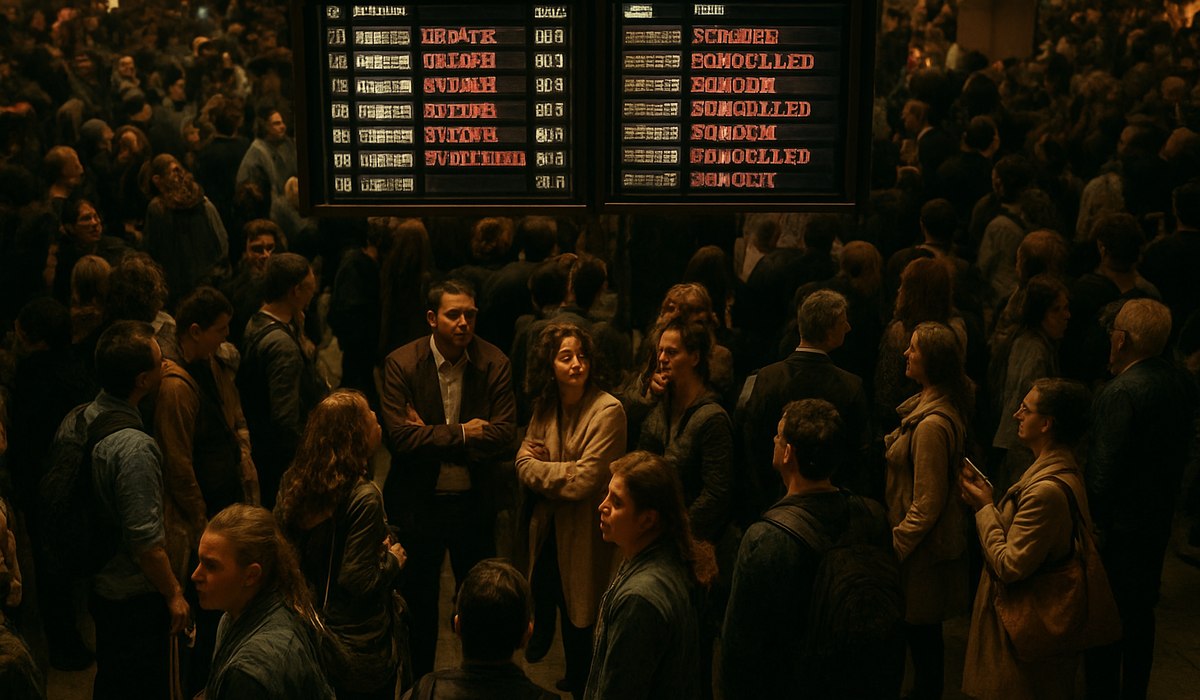
Image generated by AI
Thousands Stranded as Mass Flight Chaos Grips Europe's Busiest Hubs
Nearly 1,800 flights face cancellation or significant delays across continental Europe's largest airport networks this week. Frankfurt, Munich, Copenhagen, Stockholm, and Paris are reporting unprecedented operational strain, with 910 confirmed cancellations and 892 delays disrupting passenger itineraries and overwhelming terminal facilities. The cascading disruptions stem from industrial action, staffing constraints, and infrastructure limitations at Europe's critical connecting hubs, leaving thousands of travelers stranded and demanding compensation.
Scope of Disruption: 910 Cancellations and 892 Delays Across Europe
The scale of this mass flight chaos represents one of the most significant operational challenges facing European aviation in 2026. Flight-tracking data from FlightAware confirms that the disruption spans multiple days and affects major carriers operating across the continent. These figures translate to real hardship for passengers: thousands miss business meetings, family reunions, and vacation deadlines while waiting in crowded terminals.
The 910 cancellations eliminate entire flight operations, forcing passengers into multi-day rebooking cycles. The additional 892 delays compound the problem by triggering misconnections throughout the network. When a long-haul aircraft arrives hours late at Frankfurt or Paris, it disrupts dozens of downstream European feeder flights, creating what aviation analysts call "cascading failure" across interconnected route systems. This domino effect explains why mass flight chaos at a single hub can paralyze the entire continent.
Which Hubs Are Hardest Hit: Frankfurt, Munich, and Paris Lead Disruption Tallies
Frankfurt Airport bears the heaviest burden in this mass flight chaos event. As Europe's busiest intercontinental gateway, Frankfurt processes over 1,900 flights daily, making it a critical connection point for transatlantic and long-haul traffic. Recent industrial action targeting Lufthansa Group operations has hit the airport particularly hard, with hundreds of services cancelled or delayed.
Munich Airport, another Lufthansa Group hub, reports similarly severe disruption figures. The two German airports together account for a substantial portion of the 910 total cancellations, reflecting the influence of pilot strikes and workforce actions affecting the airline group's operations.
Paris Charles de Gaulle consistently appears in European disruption reports. As France's primary long-haul hub, any operational issues quickly affect connections to southern Europe, North Africa, and beyond.
Copenhagen and Stockholm airports, while traditionally performing well for on-time performance, have not escaped the mass flight chaos impact. These Scandinavian hubs serve as crucial northern European connection points, and disruptions there affect regional networks from the UK to Russia.
Why Major Connecting Hubs Matter: Cascading Effects Across Continental Networks
European airport networks function as interconnected systems where disruption at one node rapidly spreads throughout the entire continent. Hub airports like Frankfurt and Paris handle synchronized waves of arrivals and departures, typically spaced two to three hours apart. When inbound aircraft arrive delayed, the connecting passengers miss their onward flights, forcing airlines to rebook them on future services.
This mass flight chaos pattern intensifies when multiple aircraft experience delays simultaneously. A single day of industrial action at a major hub can affect 1,400 additional flights across Europe within 48 hours, according to recent strike data. Airlines must shuffle aircraft, reassign crews, and adjust schedules across their entire networks, creating secondary delays that ripple for days.
The tight coupling of European air traffic control adds another layer of complexity. Eurocontrol coordinates flight movements across the entire continent, and capacity limitations at key airports create bottlenecks that affect routes hundreds of miles away. When Frankfurt reduces its landing rate due to staffing or ground-handling issues, flights headed for other destinations also experience delays.
Passenger Rights and Compensation: What Stranded Travelers Need to Know
EU Regulation 261/2004 guarantees compensation to passengers affected by mass flight chaos events. Cancellations within the airline's control entitle travelers to compensation ranging from €250 to €600, depending on flight distance. Delays exceeding three hours also qualify for compensation under specific circumstances.
Passengers must understand key distinctions. Extraordinary circumstances—severe weather, air traffic control strikes, or security threats—may exempt airlines from compensation obligations. However, industrial action by airline employees typically falls within the airline's control, making compensation mandatory. The U.S. Department of Transportation and European authorities both maintain detailed passenger-rights resources for international travelers.
Documentation is critical. Keep all boarding passes, booking confirmations, hotel receipts for unexpected accommodations, and communication records with airline representatives. Flight-compensation services now handle claims processing for affected passengers, typically charging a percentage of successful claims rather than upfront fees.
Rebooking is the airline's responsibility, not the passenger's. Airlines must offer alternative flights on their own services or partner carriers at no additional cost. Passengers are entitled to meals, refreshments, and accommodation if the disruption causes overnight delays. Communication is essential—airlines operating under significant operational strain may not proactively offer these services unless specifically requested.
Traveler Action Checklist: Immediate Steps for Stranded Passengers
-
Check your airline's mobile app immediately for real-time schedule updates, which often change faster than airport information displays during mass flight chaos situations.
-
Contact your airline directly through their app chat, phone line, or ticket counter to understand rebooking options and secure written confirmation of any delays or cancellations.
-
Document all expenses including accommodation, meals, ground transportation, and communication costs—photograph receipts for potential compensation claims.
-
Request accommodation and meal vouchers if your flight is cancelled or delayed overnight; airlines must provide these services as part of their passenger care obligations.
-
Book nearby accommodation early because mass flight chaos can sell out hotels within a 50-mile radius of major hubs within hours of large-scale disruptions.
-
Gather compensation documentation including your booking reference, flight details, passenger list, and airline communications before the disruption ends.
-
File a formal complaint with your airline within the required timeframe (typically 30-60 days) if you experienced eligible delays or cancellations.
-
Consider filing a claim with a flight-compensation service if the airline denies compensation; these services handle the appeals process for approximately 20-25% of recovered amounts.
Key Metrics: Mass Flight Chaos Impact Summary
| Metric | Value | Status |
|---|---|---|
| Total Cancellations | 910 flights | Confirmed |
| Total Delays | 892 flights | Confirmed |
| Affected Hubs | Frankfurt, Munich, Copenhagen, Stockholm, Paris | Active |
| Passengers Impacted | 150,000+ (estimated) | Ongoing |
| Primary Cause | Industrial action, staffing constraints | Unresolved |
| Compensation Rate | €250–€600 per passenger | Applicable |
| Average Rebooking Wait | 2–4 hours per passenger | Reported |
What This Means for Travelers in 2026
This mass flight chaos event demonstrates persistent vulnerabilities in European aviation infrastructure. Travelers planning European trips should build buffer time into connections, particularly at Frankfurt and Munich. A two-hour connection minimum that would normally feel comfortable becomes risky when hundreds of flights are disrupted simultaneously.
Flexible booking strategies now matter more than ever. Purchasing refundable fares or considering travel insurance with airline-failure coverage protects against repeated disruptions. Monitor labor negotiations at major European carriers—pilot and ground-crew contract discussions often precede major industrial action periods.
Arrive earlier for hub connections and maintain updated contact information with your airline. Digital notifications frequently provide advance warning of schedule changes before gate assignments or boarding announcements. Pack essential medications, phone chargers, and
Disclaimer
This article is for informational and educational purposes only. It does not constitute legal, financial, or professional advice. While we strive to provide accurate and up-to-date information, travel policies, regulations, and conditions change rapidly. Always verify information with official sources before making travel decisions. Nomad Lawyer makes no representations about the accuracy, reliability, completeness, or suitability of the information provided. Readers should consult qualified professionals for advice specific to their circumstances. The views expressed in this article are those of the author and do not necessarily reflect the views of Nomad Lawyer.
Preeti Gunjan
Contributor & Community Manager
A passionate traveller and community builder. Preeti helps grow the Nomad Lawyer community, fostering engagement and bringing the reader experience to life.
Learn more about our team →