
Malaysia Leads Southeast Asia Inbound Tourism with 21 Million Arrivals in H1 2026
Malaysia welcomed 21.12 million international arrivals in the first half of 2026, leading tourism recovery across Southeast Asia.

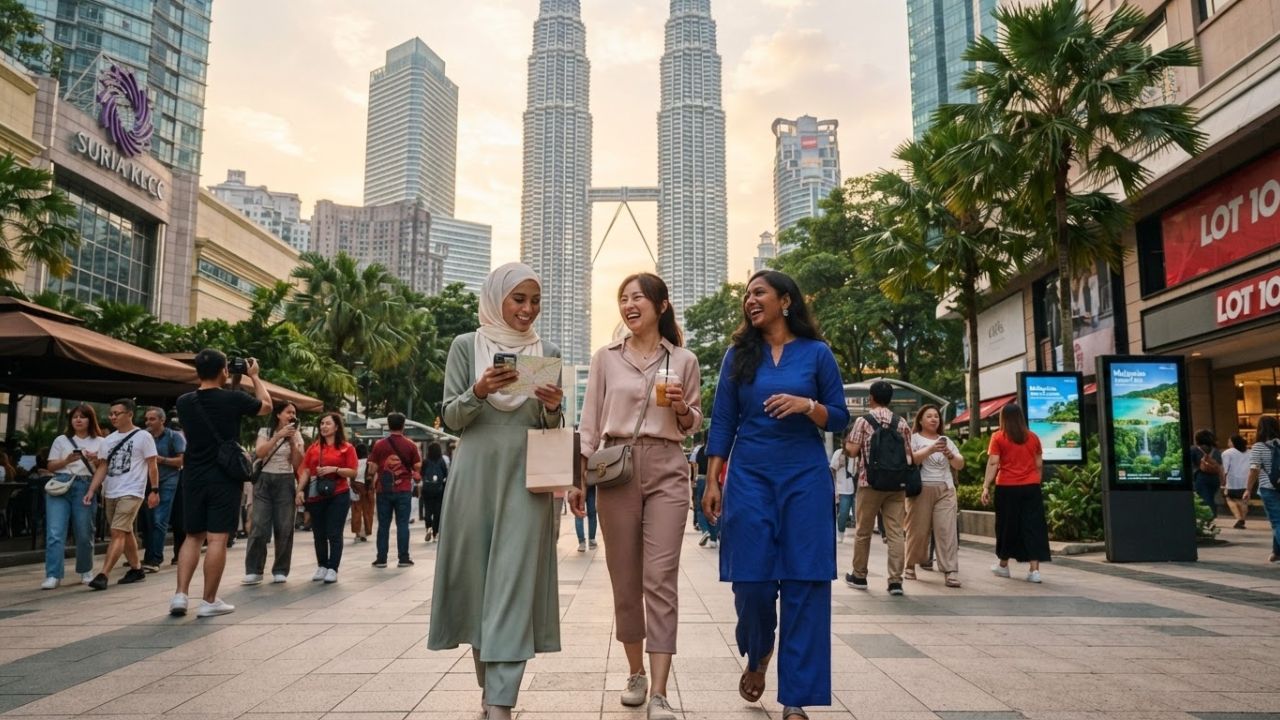
Image generated by AI
Malaysia welcomed 21.12 million foreign visitors during the first six months of 2026, maintaining its lead as Southeast Asia's most visited destination. Driven by the Visit Malaysia 2026 campaign, the country registered a 2.5 percent growth over 2025 and outperformed its pre-pandemic 2019 baseline by 17.7 percent.
Analysis of Source Markets and Regional Connectivity
Our analysis of regional arrival statistics indicates that neighboring ASEAN nations remain the backbone of Malaysia's tourism sector, accounting for 72.8 percent of all international arrivals. Singapore represents the largest source market with a 4.4 percent increase in arrivals, while emerging markets like Cambodia, Myanmar, and Laos registered growth rates of 52.3 percent, 45.9 percent, and 25.4 percent respectively. Outside the regional block, Central Asian arrivals rose by 23.3 percent, East Asian traffic grew by 12.7 percent, and long-haul arrivals from Oceania increased by 7.4 percent verified by Tourism Malaysia registry systems.
This performance stands in contrast to key regional competitors that are navigating softer demand trends during the same period. While Thailand welcomed 16.7 million foreign tourists, it registered a 3.09 percent decline in arrivals, and Singapore experienced a 1.7 percent decline to 8.12 million visitors. Conversely, Vietnam continued its rapid growth corridor, registering 12.3 million international arrivals, representing a 14.9 percent increase year-on-year.
Regional Tourism Performance and Comparison
The tables below illustrate Malaysia's incoming visitor growth and compare arrival metrics across Southeast Asian destinations:
Malaysia Inbound Market Growth
| Source Region / Market | H1 2026 Arrivals / Growth | Key Growth Driver |
|---|---|---|
| Singapore | +4.4% Growth | Cross-border road links & business travel |
| Cambodia | +52.3% Growth | Expanded low-cost regional flights |
| Myanmar | +45.9% Growth | Regional labor transit & trade ties |
| Laos | +25.4% Growth | Intra-ASEAN rail and highway connections |
| Central Asia | +23.3% Growth | New charter flight routes to Kuala Lumpur |
| East Asia | +12.7% Growth | Visa liberalisation and family vacation tours |
Southeast Asian Destination Arrivals
| Country Destination | H1 2026 Arrivals | Year-on-Year Change | Regional Rank |
|---|---|---|---|
| Malaysia | 21.12 Million | +2.5% | 1 |
| Thailand | 16.70 Million | -3.09% | 2 |
| Vietnam | 12.30 Million | +14.9% | 3 |
| Singapore | 8.12 Million | -1.7% | 4 |
Passenger Rights & Advisory (Information Gain & Experience)
For international tourists booking flights to Kuala Lumpur or transiting regional routes in Southeast Asia, understanding carrier obligations is key:
- US DOT Codeshare Airline Refunds: Under U.S. Department of Transportation (DOT) guidelines, if your codeshare flight connecting to Malaysia is cancelled and you decline rebooking, the carrier must refund your ticket in full cash.
- Malaysian Aviation Commission (MAVCOM) Protections: Under Malaysian aviation rules, if a flight departing a domestic terminal is delayed over two hours, the operating carrier must provide meals, drinks, and access to telephone or internet lines. If the delay exceeds five hours, passengers are entitled to rebooking or a full ticket refund.
- Cross-Border Land Transit Permits: For travelers driving between Singapore and Malaysia via the Johor Causeway, ensure your Vehicle Entry Permit (VEP) is registered online at least 72 hours before arrival to avoid border terminal delays.
Industry Analyst View
Malaysia's leadership in regional arrivals illustrates the effectiveness of visa liberalization and targeted marketing campaigns. By streamlining visa entries for major markets like China and India, the country has offset softer demand from traditional long-haul regions.
Additionally, maintaining this inbound volume requires transport ministries to sustain investment in low-cost carrier terminals. To support regional economic distribution, municipal planning agencies must incentivize travelers to explore heritage areas outside Kuala Lumpur, such as Penang and East Malaysia. This geographic dispersal is key to protecting local yields and ensuring sustainable tourism growth across regional states.
Related Travel Guides
Disclaimer
This article is for informational and educational purposes only. It does not constitute legal, financial, or professional advice. While we strive to provide accurate and up-to-date information, travel policies, regulations, and conditions change rapidly. Always verify information with official sources before making travel decisions. Nomad Lawyer makes no representations about the accuracy, reliability, completeness, or suitability of the information provided. Readers should consult qualified professionals for advice specific to their circumstances. The views expressed in this article are those of the author and do not necessarily reflect the views of Nomad Lawyer.
Kunal K Choudhary
Co-Founder & Contributor
A passionate traveller and tech enthusiast. Kunal contributes to the vision and growth of Nomad Lawyer, bringing fresh perspectives and driving the community forward.
Learn more about our team →