
Malaysia Heatwave: Climate Stress Reshaping Tourism and Infrastructure in 2026
As record-breaking temperatures grip Malaysia, the tourism sector is facing a critical turning point, with extreme heat

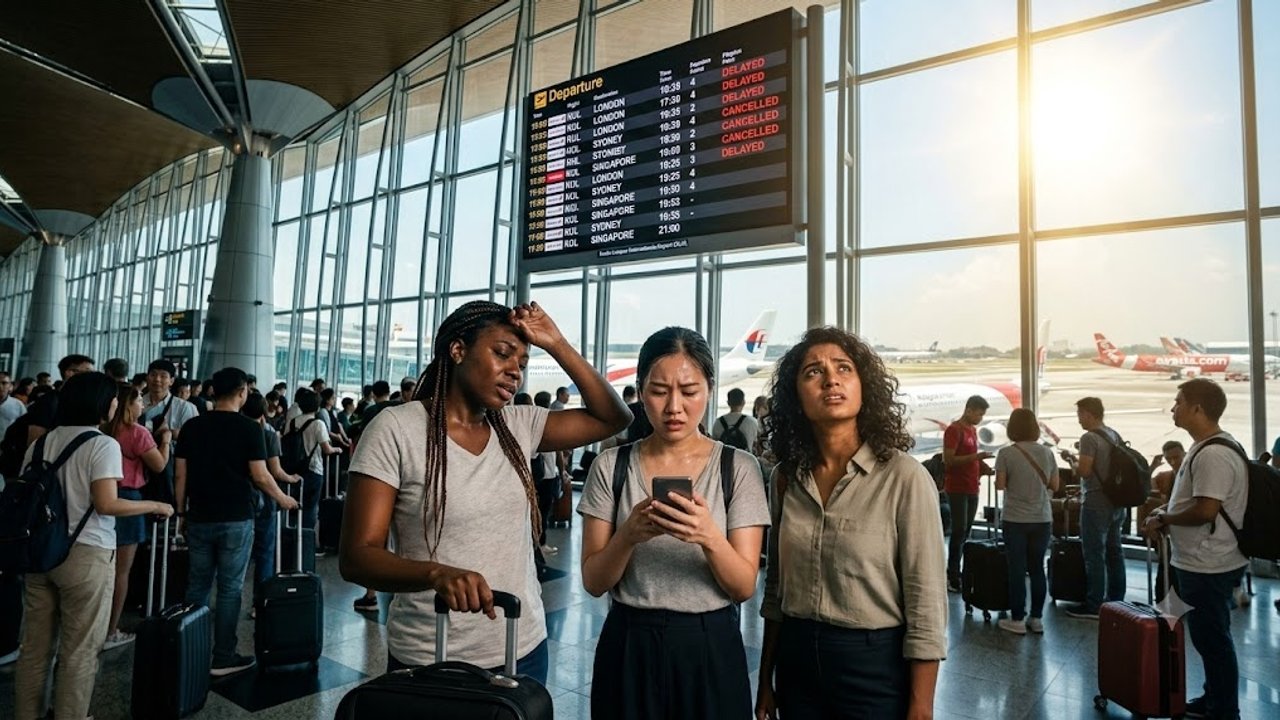
Image generated by AI
Climate Stress Forces Shift in Malaysian Travel Patterns
A severe heatwave across Malaysia has evolved from a seasonal weather event into a significant disruptor of the national tourism ecosystem. The prolonged period of extreme temperatures is fundamentally altering how visitors interact with the country, shifting the focus from traditional outdoor exploration to climate-controlled environments.
Travelers are increasingly abandoning full-day outdoor excursions in favor of "heat-safe" alternatives. This shift is characterized by a preference for indoor attractions, museums, and shopping malls, with outdoor sightseeing now largely restricted to the early morning or late evening hours to avoid peak thermal stress.
Infrastructure Strain: The Cooling System Crisis
The most immediate physical impact of the heatwave is the unprecedented strain on air-conditioning (AC) infrastructure. In urban centers and tourist hubs, cooling systems are running at maximum capacity without respite, leading to a surge in mechanical failures.
Industry technicians report that the current wave of AC breakdowns is not due to manufacturing defects, but rather "system exhaustion"—units are failing because they cannot be powered down. This has created a critical bottleneck in the tourism supply chain:
- Maintenance Backlogs: A sharp rise in demand for emergency repairs has led to longer waiting times for servicing.
- Guest Dissatisfaction: Hotel guests are reporting more frequent cooling failures, directly impacting the quality of stays.
- Operational Pressure: Maintenance staff in the hospitality sector are facing extreme pressure to keep facilities operational during peak occupancy.
Adapting the Visitor Experience: Safety and Strategy
To navigate the 2026 climate conditions, a new set of "informal" travel norms has emerged. Visitors, particularly those from non-tropical regions, are adopting specific strategies to mitigate heat-related health risks.
Essential Heat-Safety Habits for 2026:
- Hydration Priority: Constant water intake regardless of thirst levels.
- Transit Shifts: A move away from walking long distances in favor of ride-sharing services.
- Strategic Scheduling: Implementing flexible itineraries that allow for midday breaks in air-conditioned spaces.
- Protective Gear: Prioritizing lightweight, breathable fabrics and avoiding long queues in direct sunlight.
These measures are particularly critical for vulnerable demographics, including children and elderly travelers, as heat exhaustion becomes a primary concern for travel safety.
The Pivot Toward Sustainable and Eco-Friendly Tourism
The ongoing climate shock is accelerating a conversation about the long-term viability of energy-heavy cooling. There is a growing realization that relying solely on high-power AC is an unsustainable solution to rising temperatures.
This has sparked a trend toward eco-friendly accommodations and sustainable tourism practices. Forward-thinking hotels and operators are beginning to implement structural changes to reduce their thermal footprint, including:
- Enhanced Insulation: Improving building envelopes to minimize heat ingress.
- Intelligent Cooling: Moving away from constant operation toward smarter, scheduled cooling cycles.
- Natural Ventilation: Integrating architectural designs that encourage airflow.
- Energy Management: Encouraging guests to participate in responsible energy consumption.
Summary of Tourism Impacts
| Area of Impact | Primary Effect | Resulting Trend |
|---|---|---|
| Itineraries | Outdoor exhaustion | Shift to indoor/shaded attractions |
| Infrastructure | AC system overload | Increased demand for emergency servicing |
| Health & Safety | Heat-related stress | Adoption of "midday break" travel schedules |
| Hospitality | Energy inefficiency | Rise in eco-friendly, sustainable lodging |
| Transport | Walking fatigue | Higher reliance on ride-hailing services |
Key Takeaways
- Infrastructure Crisis: The "non-stop" operation of cooling systems is causing widespread AC failures in hotels and homes.
- Behavioral Shift: Tourism is moving toward a "split-day" model (early morning/late evening) to avoid peak heat.
- Sustainability Push: The heatwave is acting as a catalyst for the adoption of sustainable building practices and energy-efficient cooling in the hospitality sector.
- Safety First: Heat exhaustion is now a primary variable in Malaysia travel safety planning for 2026.
FAQ
How is the heatwave affecting hotel stays in Malaysia? Many hotels are experiencing increased AC breakdowns due to continuous usage, leading to higher maintenance demands and potential disruptions in guest comfort.
What are the best times for sightseeing during the heatwave? Travelers are advised to plan outdoor activities for the early morning or late evening, utilizing the midday hours for indoor attractions or rest.
Are there eco-friendly alternatives to traditional hotels? Yes, there is a growing trend toward eco-friendly accommodations that utilize better insulation and natural ventilation to reduce reliance on heavy air-conditioning.
Related Travel Guides
Disclaimer
This article is for informational and educational purposes only. It does not constitute legal, financial, or professional advice. While we strive to provide accurate and up-to-date information, travel policies, regulations, and conditions change rapidly. Always verify information with official sources before making travel decisions. Nomad Lawyer makes no representations about the accuracy, reliability, completeness, or suitability of the information provided. Readers should consult qualified professionals for advice specific to their circumstances. The views expressed in this article are those of the author and do not necessarily reflect the views of Nomad Lawyer.
Preeti Gunjan
Contributor & Community Manager
A passionate traveller and community builder. Preeti helps grow the Nomad Lawyer community, fostering engagement and bringing the reader experience to life.
Learn more about our team →