
🌍 Your Global Travel News Source
AboutContactPrivacy Policy
Nomad Lawyer
travel news

Majorca Tourism Alert 2026: Soller Protests and New Sustainable Transit Regulations for Travelers

Majorca faces a tourism saturation crisis in 2026, with Soller residents protesting overcrowding and the Balearic government implementing strict eco-taxes and visitor caps to preserve the island.

Kunal K Choudhary
By Kunal K Choudhary
4 min read
Aerial view of Soller valley and Tramuntana mountains in Majorca

Image generated by AI

Headline Options:

  1. Factual/News: Balearic Authorities Implement Visitor Caps and Eco-Taxes as Soller Residents Protest Tourism Saturation in Majorca 2026
  2. Curiosity-Gap (Discover): The End of Mass Tourism in Majorca? Why Your 2026 Spanish Getaway Just Got More Complex
  3. Problem-Solving (Search): How to Visit Majorca in 2026: Navigating Soller Protests, Parking Shortages, and New Transit Rules

The Balearic Islands are pivoting from mass tourism to a sustainable quality model, with the town of Soller reaching a documented breaking point of 75 tourist beds per 100 residents.

The Core Transit Update: Tourism Saturation and Civic Action

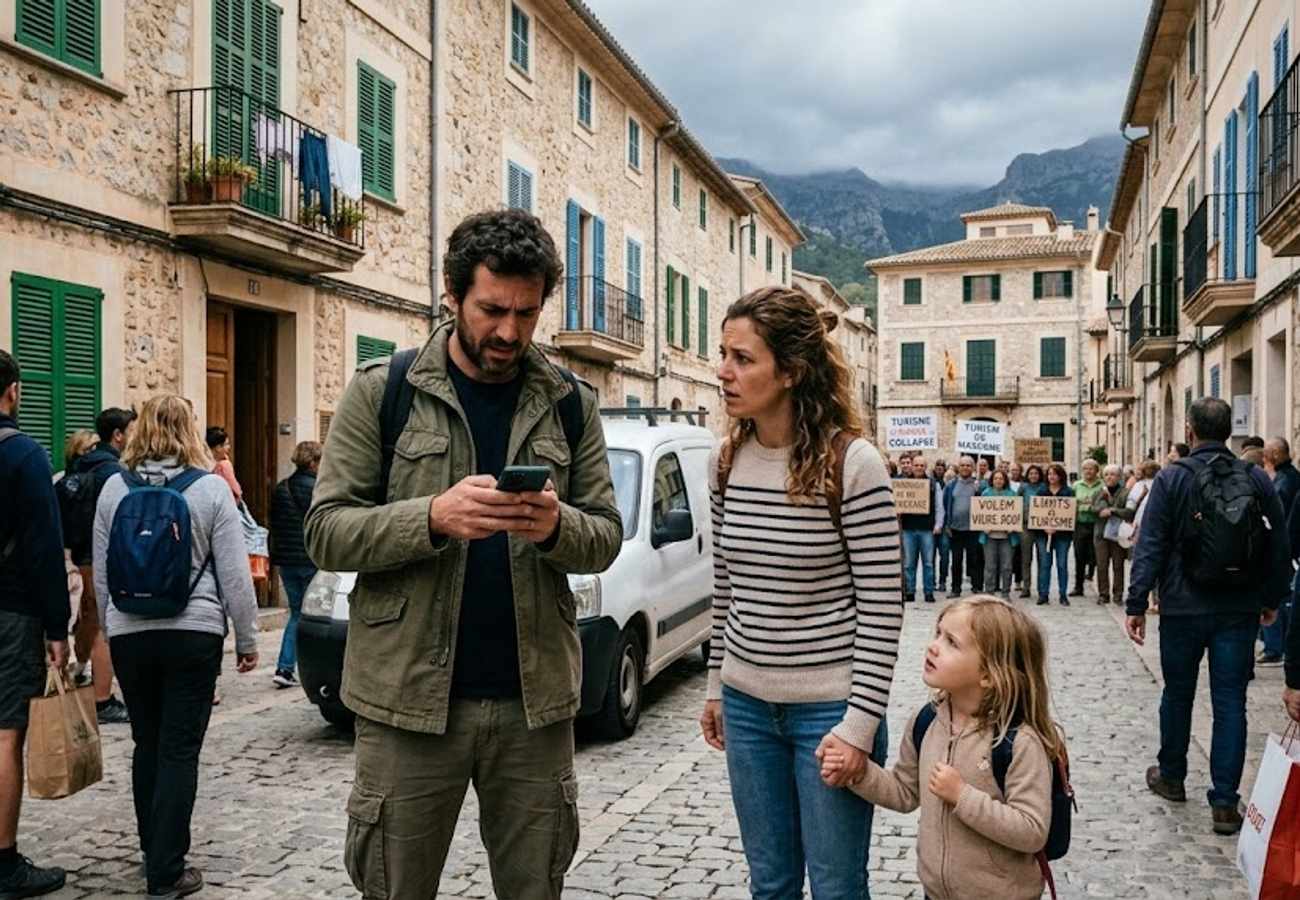
Majorca is currently undergoing a systemic shift in how it manages visitor flows. The most critical development is centered in the municipality of Soller, where local campaign groups have scheduled a new wave of demonstrations for the second week of August 2026. These protests are a direct response to "tourism saturation," a state where the infrastructure can no longer support the volume of visitors.

According to a report commissioned by the Soller Town Hall, the town has reached a critical imbalance, documenting more than 75 tourist bed spaces for every 100 permanent residents. This imbalance has contributed to a volatile housing market, with local property prices doubling over the last 15 years due to speculation and unregulated holiday rentals.

In response, the Balearic government is implementing a regulatory framework that includes:

  • Increased Eco-Taxes: Higher regional taxes collected at the point of accommodation to fund environmental preservation.
  • Visitor Caps: Strict limits on the number of people allowed in highly protected zones.
  • Rental Restrictions: A crackdown on unregulated short-term rentals to mitigate the housing crisis.

Majorca Tourism Impact Metrics

Metric Current Status (2026) Impact on Traveler
Bed-to-Resident Ratio (Soller) 75 beds : 100 residents High saturation; limited authentic housing
Property Price Trend 100% increase (15-year period) Higher costs for legal rentals
Transport Priority Public Transit > Rental Cars Severe parking shortages in village centers
Regulatory Tool Regional Eco-Tax Mandatory fee collected via accommodation
Visitor Access Capped in protected zones Requirement for advanced planning/permits

Traveler Logistics Guide: Navigating the New Majorca

From a ground-level perspective, the traditional "rental car and explore" model is no longer viable in the Balearic interior. The narrow streets of villages like Soller are frequently saturated, and parking is nearly non-existent during the peak August window.

1. Transit and Mobility The most efficient way to navigate the island is to abandon the rental car in favor of modernized public transit networks. This avoids the stress of saturated roads and the high probability of parking fines. Use the regional bus networks to reach the Tramuntana mountain range and utilize local shuttles for "last-mile" connectivity into village centers.

2. Accommodation Strategy Avoid unregulated short-term rentals. Not only are these increasingly targeted by municipal authorities, but they also contribute to the local housing crisis. Secure stays in officially licensed hotels or registered guesthouses. This ensures your stay is legal and that the mandatory eco-tax is correctly processed.

3. Timing and Respect If visiting during the second week of August, expect peaceful community rallies in main plazas. The best approach is to treat these as cultural touchpoints rather than disruptions. Shift your itinerary toward emerging inland villages, which are currently more welcoming to respectful economic investment than the primary hotspots.

Infrastructure Impact Assessment

This shift marks a transition from a "volume-based" economy to a "value-based" economy. By raising eco-taxes and capping visitors, the Balearic government is attempting to decouple economic growth from environmental degradation.

For the logistics industry, this means a forced evolution. Tour operators are being compelled to scrap mass-market blueprints in favor of community-focused packages. This will likely lead to a rise in "slow travel" itineraries, where travelers spend more time in fewer locations, reducing the carbon footprint and the physical pressure on municipal infrastructure.

Travel smarter by prioritizing the preservation of the destination over the convenience of the journey.

Related Travel Guides

Disclaimer

This article is for informational and educational purposes only. It does not constitute legal, financial, or professional advice. While we strive to provide accurate and up-to-date information, travel policies, regulations, and conditions change rapidly. Always verify information with official sources before making travel decisions. Nomad Lawyer makes no representations about the accuracy, reliability, completeness, or suitability of the information provided. Readers should consult qualified professionals for advice specific to their circumstances. The views expressed in this article are those of the author and do not necessarily reflect the views of Nomad Lawyer.

Tags:Majorca tourismsustainable travelSpain 2026Balearic Islands
Kunal K Choudhary

Kunal K Choudhary

Co-Founder & Contributor

A passionate traveller and tech enthusiast. Kunal contributes to the vision and growth of Nomad Lawyer, bringing fresh perspectives and driving the community forward.

Follow:
Learn more about our team →