
Maha Approves ₹993 Crore for Heritage Site Development Across 2026
Maharashtra government allocates ₹993.72 crore in 2026 to transform six major pilgrimage sites and historical forts into world-class heritage destinations through infrastructure development and conservation efforts.

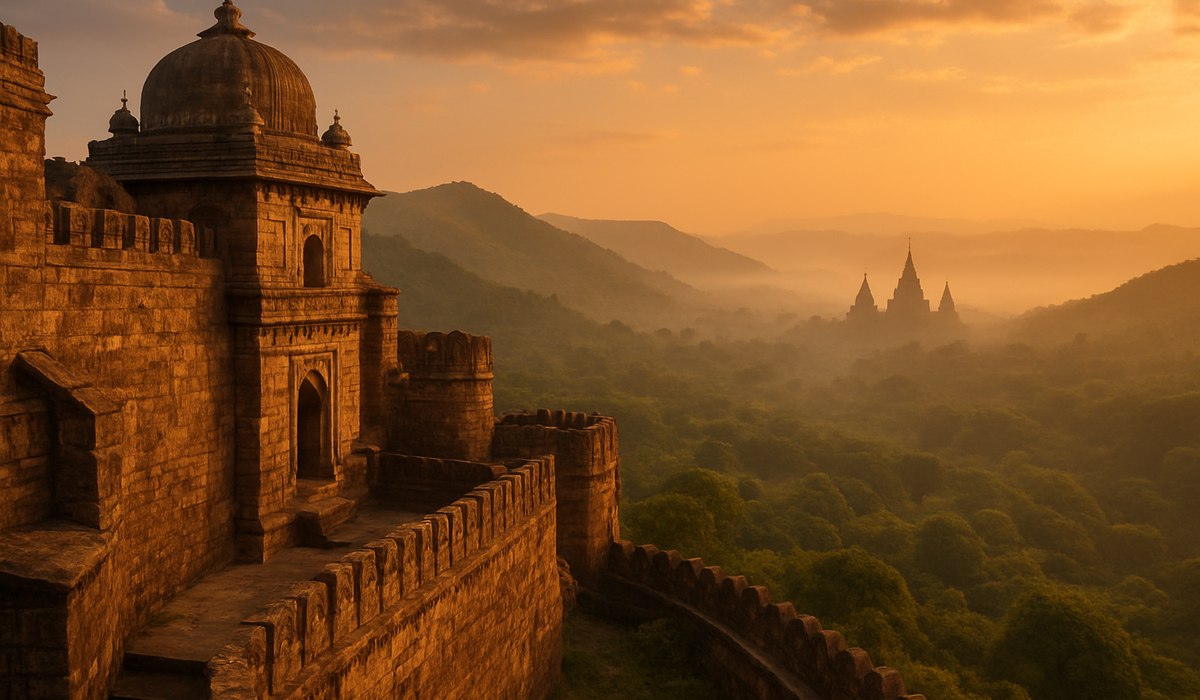
Image generated by AI
Maharashtra's ₹993 Crore Heritage Development Initiative Takes Shape
Maharashtra has greenlit an ambitious ₹993.72 crore investment program targeting six pivotal pilgrimage sites, historical forts, and heritage locations across the state. The comprehensive allocation marks one of India's most significant heritage preservation efforts, focusing on conservation, infrastructure modernization, and visitor experience enhancement. This strategic initiative aims to position Maharashtra as a premier spiritual and cultural tourism destination while safeguarding irreplaceable historical monuments for future generations.
Six Priority Sites Selected for Conservation and Infrastructure
The maha approves 993cr initiative concentrates resources on six strategically important locations spanning religious and military heritage categories. Bhimashankar Temple, a sacred Shaivite shrine nestled in the Western Ghats, receives dedicated conservation funding for temple infrastructure and pilgrimage facilities. Sant Tukaram Maharaj's birthplace in Dehu gains resources for heritage interpretation centers and visitor amenities.
Ajinkyatara Fort, a strategic hilltop fortress with panoramic valley views, benefits from structural restoration and accessibility improvements. The Sangam Mahuli sacred confluence area receives development for ritual bathing facilities and crowd management infrastructure. Grishneshwar Temple, one of twelve Jyotirlingas, gets upgraded darshan corridors and facilities. Parli Vaijnath rounds out the portfolio with temple complex enhancements and sacred site protection measures.
Each location receives tailored development addressing its unique historical, religious, and architectural characteristics. Visit the official Maharashtra Tourism Board for comprehensive site information and planning resources.
Expected Impact on Religious Tourism and Local Economy
This maha approves 993cr investment directly stimulates regional economic development and employment creation. Enhanced infrastructure attracts domestic and international pilgrims, generating revenue for local hospitality, transportation, and artisan sectors. Improved accessibility encourages extended stays, increasing spending at lodges, restaurants, and cultural experiences.
Conservation efforts preserve architectural integrity while creating jobs for skilled workers, archaeological specialists, and heritage guides. Local communities gain economic opportunities through homestays, guide services, and traditional craft promotion. Tourism multiplier effects ripple through regional economies as visitors purchase souvenirs, textiles, and regional products.
The initiative positions Maharashtra competitively within India's religious tourism landscape. According to TripAdvisor's destination data, enhanced heritage sites significantly increase visitor satisfaction and repeat visitation rates. Enhanced facilities reduce travel barriers for elderly pilgrims and disabled visitors, democratizing access to sacred sites.
Timeline and Implementation Strategy
The development program unfolds across multiple phases beginning in 2026. Initial phase emphasizes foundational infrastructure assessment, environmental impact studies, and community consultation. This groundwork ensures projects respect local sensibilities and archaeological requirements.
Subsequent phases prioritize structural stabilization of vulnerable fort sections, temple corridor expansion, and utility modernization. Implementation employs phased construction to maintain accessibility during development. Project management incorporates regular archaeological oversight, heritage compliance certification, and cultural sensitivity protocols.
Completion targets extend through 2028, allowing comprehensive execution without disrupting pilgrimage activities or compromising historical integrity. Government coordination with heritage conservation bodies ensures adherence to national preservation standards. Transparent project monitoring and community feedback mechanisms maintain accountability throughout implementation phases.
Best Time to Visit These Heritage Destinations
Peak visiting seasons vary by site location and climate conditions. October through March offers ideal weather across most Maharashtra destinations, with mild temperatures and minimal rainfall. Monsoon season (June-September) transforms landscapes into verdant panoramas, ideal for visitors seeking natural beauty alongside cultural exploration.
Religious festivals create vibrant visiting windows. Mahashivaratri at Bhimashankar attracts hundreds of thousands of devotees. Sant Tukaram's birthday celebrations at Dehu coincide with spring equinox festivals. Grishneshwar's Kartik month observances align with November-December lunar calendar events. Vaijnath temple celebrates Kartik Purnima with special rituals and ceremonies.
Summer months (April-May) suit early morning visits before afternoon heat intensifies. Winter attracts trekkers and heritage enthusiasts exploring fort landscapes during pleasant weather. Weekend visits during non-festival periods offer less crowded experiences while still accessing enhanced facilities created by maha approves 993cr development projects.
How to Get There
Air Access: International airports in Pune and Mumbai connect to major global hubs. Domestic flights from metro cities reach these regional airports with multiple daily frequencies.
Rail Networks: Indian Railways links all six heritage sites through extensive connections from metros and state capitals. Express trains provide comfortable overnight journeys from Delhi, Chennai, and Kolkata. Local trains connect smaller towns to major heritage locations.
Road Transportation: National and state highways provide excellent connectivity. Private taxis, rental vehicles, and guided tour coaches facilitate comfortable heritage site access. Regular bus services operated by Maharashtra State Road Transport Corporation connect village destinations to major towns.
Local Navigation: Once at destinations, local guides familiar with archaeological significance and spiritual protocols enhance site appreciation. Temple administration offices provide information about ritual timings and visitor protocols. Community tourism initiatives offer authentic cultural experiences beyond standard monuments.
What This Means for Travelers
-
Enhanced Accessibility – Improved pathways and facilities accommodate visitors of varying physical abilities, expanding pilgrimage participation to elderly and differently-abled devotees seeking spiritual experiences.
-
Enriched Cultural Experience – Interpretive centers and heritage documentation transform passive monument viewing into educational engagement with Maharashtra's spiritual and military history.
-
Better Amenities – Modern restrooms, drinking water facilities, and crowd management infrastructure reduce logistical stress during pilgrimage visits to crowded sacred sites.
-
Economic Opportunities – Cottage industries, homestay networks, and artisan cooperatives generate authentic travel experiences supporting local communities directly benefiting from increased visitation.
-
Conservation Guarantees – Professional restoration ensures forts and temples survive for future generations while remaining accessible to contemporary travelers discovering heritage treasures.
-
Smart Timing – Staggered development allows phased visitation, with certain periods offering newly renovated facilities while others provide quieter exploration opportunities.
Key Data at a Glance
| Metric | Details |
|---|---|
| Total Investment | ₹993.72 crore allocated across six priority sites |
| Primary Heritage Sites | Bhimashankar, Sant Tukaram Dehu, Ajinkyatara Fort, Sangam Mahuli, Grishneshwar, Parli Vaijnath |
| Development Focus Areas | Conservation, infrastructure modernization, visitor amenities, accessibility improvements |
| Expected Completion | Phased completion through 2028 |
| Annual Pilgrim Footfall | Combined sites attract 2+ million annual visitors currently; projections indicate 35-40% increase post-development |
| Employment Creation | Estimated 5,000+ direct and indirect jobs during construction and permanent facility operations |
| Geographic Span | Distributed across Western Maharashtra, Pune region, and Ahmednagar districts |
FAQ
What specific infrastructure improvements does the maha approves 993cr initiative include?
The allocation funds temple corridor expansion, accessible pathways for elderly and disabled visitors, modern sanitation facilities, improved water supply systems, parking infrastructure, visitor interpretation centers, security enhancements, and archaeological restoration work addressing structural vulnerabilities at forts and sacred sites.
Which heritage sites benefit most from the ₹993.72 crore development plan?
All six sites receive proportional allocation based on preservation needs and visitor capacity requirements. Bhimashankar and Grishneshwar, as major pilgrimage destinations, receive substantial infrastructure investments. Forts like Ajinkyatara prioritize structural stabilization and accessibility.
Disclaimer
This article is for informational and educational purposes only. It does not constitute legal, financial, or professional advice. While we strive to provide accurate and up-to-date information, travel policies, regulations, and conditions change rapidly. Always verify information with official sources before making travel decisions. Nomad Lawyer makes no representations about the accuracy, reliability, completeness, or suitability of the information provided. Readers should consult qualified professionals for advice specific to their circumstances. The views expressed in this article are those of the author and do not necessarily reflect the views of Nomad Lawyer.
Raushan Kumar
Founder & Lead Developer
Full-stack developer with 11+ years of experience and a passionate traveller. Raushan built Nomad Lawyer from the ground up with a vision to create the best travel and law experience on the web.
Learn more about our team →