
Navigating Lynden Pindling International Airport: 2026 Guide to Terminals and U.S. Preclearance
Master the layout of Nassau's Lynden Pindling International Airport with this 2026 guide to Terminals A, B, and C, including essential U.S. preclearance tips.

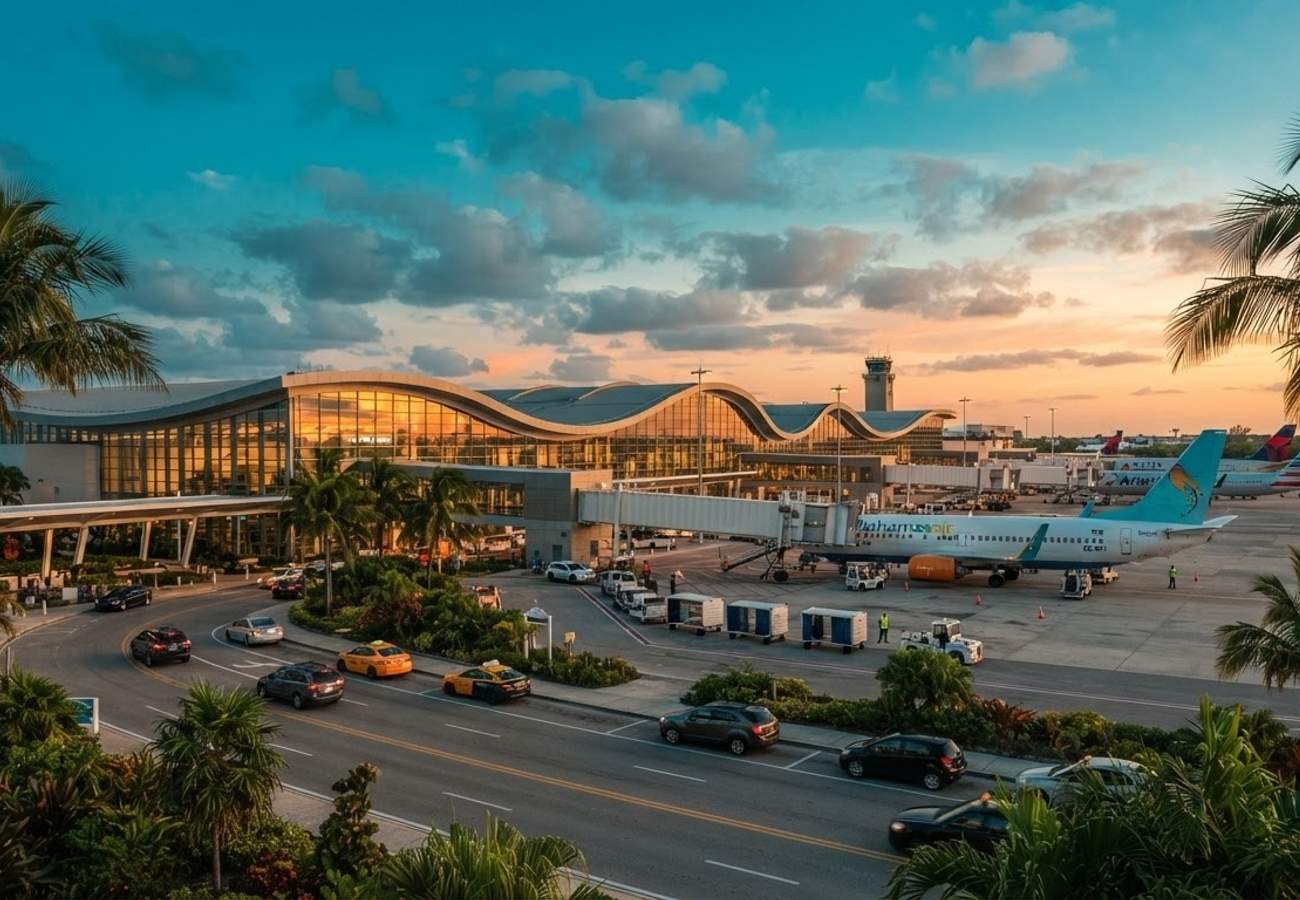
Image generated by AI
U.S. border preclearance at Lynden Pindling International Airport (LPIA) allows travelers to clear customs in Nassau, turning international arrivals into domestic landings in the U.S. Navigating the three-terminal system is the difference between a seamless transition and a stressful scramble across the curb.
The Shift in Nassau’s Gateway Experience
Lynden Pindling International Airport serves as the primary artery for the Bahamas, balancing high-volume U.S. tourist traffic with essential regional hops. The airport operates via three distinct terminal zones—A, B, and C—which are positioned along a single curbfront. While they are physically close enough to walk between in a few minutes, they operate as separate entities with independent security and check-in protocols.
The current trend in LPIA navigation is the strategic use of "pre-clearance" to eliminate the bottleneck of U.S. arrivals halls. For the visitor, the real impact is a streamlined arrival in cities like Miami or New York, where you can exit the plane and head straight to a connecting gate or the exit, bypassing the traditional immigration queues upon landing in the States.
Terminal Breakdown: Where to Go
Understanding the specific function of each terminal is vital, as there is no airside connection between the domestic and U.S. zones. If you enter the wrong building, you must exit back to the curb to relocate.
Terminal C: The U.S. Departure Hub
Dedicated exclusively to flights heading to the United States, Terminal C is used by major carriers including American, Delta, JetBlue, United, and Southwest.
- The Preclearance Process: This terminal houses U.S. Customs and Border Protection. Travelers process passports and travel documents in Nassau.
- Timing: It is recommended to arrive 2 to 3 hours before departure. Peak congestion typically occurs on Saturday afternoons and during major holidays.
- Baggage: In most cases, luggage is tagged through to the final U.S. destination, meaning no need to reclaim bags at U.S. hub airports like Charlotte or Atlanta.
Terminal B: International and U.S. Arrivals
Almost every traveler landing in Nassau—whether from Canada, Europe, or the U.S.—will arrive at Terminal B.
- Arrival Flow: Passengers move through Bahamian immigration, proceed to the baggage claim hall, and finally pass through customs.
- Connectivity: This is the primary exit point for those heading to resorts in Cable Beach, Paradise Island, or downtown Nassau via the main taxi stand.
Terminal A: Domestic and Non-U.S. International
Terminal A is the center for "out-island" travel and specific international routes (such as some Air Canada flights to Toronto).
- Regional Hops: This is the departure point for Bahamasair and Western Air flights to Exuma, Eleuthera, Abaco, and San Salvador.
- The Transfer Gap: Travelers arriving at Terminal B who need to catch a domestic flight at Terminal A must collect their bags, clear customs, exit the building, and walk along the curb to the Terminal A entrance.
Cultural & Environmental Value
LPIA is more than a transit point; it is the first introduction to Bahamian hospitality. The airport has increasingly integrated local elements into its lounges and retail spaces, supporting regional artisans and duty-free vendors. For the conscious traveler, supporting these local vendors over global chains helps keep tourism revenue within the Bahamian economy.
Furthermore, the airport coordinates closely with the Bahamas Ministry of Tourism to manage the flow of cruise-linked travelers, ensuring that the infrastructure supports the local community without overwhelming the surrounding Nassau urban center.
Visitor Insider Tips
To navigate LPIA like a local expert, keep these practical details in mind:
- The Afternoon Rush: Avoid the "mid-afternoon wave." Between 1:00 PM and 4:00 PM, preclearance lines in Terminal C often peak as multiple U.S. flights depart simultaneously. If you are in this window, purchase water and snacks immediately after security to avoid long café lines.
- The "Curb Walk" Warning: Do not assume there is a tunnel between terminals. If you are connecting from an international arrival (Terminal B) to a domestic departure (Terminal A), allow at least 90 minutes. The walk is short, but the check-in lines for domestic flights can be unpredictable.
- SIM Card Strategy: While there are kiosks in the Terminal B baggage area, these can be crowded. If you are traveling to a remote out-island, ensure your mobile data plan is active before leaving the main terminal, as connectivity varies significantly once you leave New Providence.
- Taxi Etiquette: Official taxis are available at the Terminal B exit. Always confirm the flat rate to your resort (e.g., Cable Beach or Paradise Island) before starting the journey to avoid pricing disputes.
Tourism Outlook
The long-term trajectory for Lynden Pindling International is one of increased efficiency and regional integration. As the Bahamas continues to promote its "out-islands," the pressure on Terminal A is expected to grow. The ongoing emphasis on U.S. preclearance remains the airport's strongest asset, making the Bahamas one of the most accessible Caribbean destinations for North American travelers.
Seamless travel in Nassau starts with knowing your terminal—don't let a curb-side walk derail your island timing.
Related Travel Guides
Disclaimer
This article is for informational and educational purposes only. It does not constitute legal, financial, or professional advice. While we strive to provide accurate and up-to-date information, travel policies, regulations, and conditions change rapidly. Always verify information with official sources before making travel decisions. Nomad Lawyer makes no representations about the accuracy, reliability, completeness, or suitability of the information provided. Readers should consult qualified professionals for advice specific to their circumstances. The views expressed in this article are those of the author and do not necessarily reflect the views of Nomad Lawyer.
Kunal K Choudhary
Co-Founder & Contributor
A passionate traveller and tech enthusiast. Kunal contributes to the vision and growth of Nomad Lawyer, bringing fresh perspectives and driving the community forward.
Learn more about our team →