
Lufthansa and WestJet Lead Global Hybrid Airline Competition
Airlines blend low-cost efficiency with full-service perks, with Lufthansa, WestJet, and Virgin Australia leading the 2026 hybrid rankings.

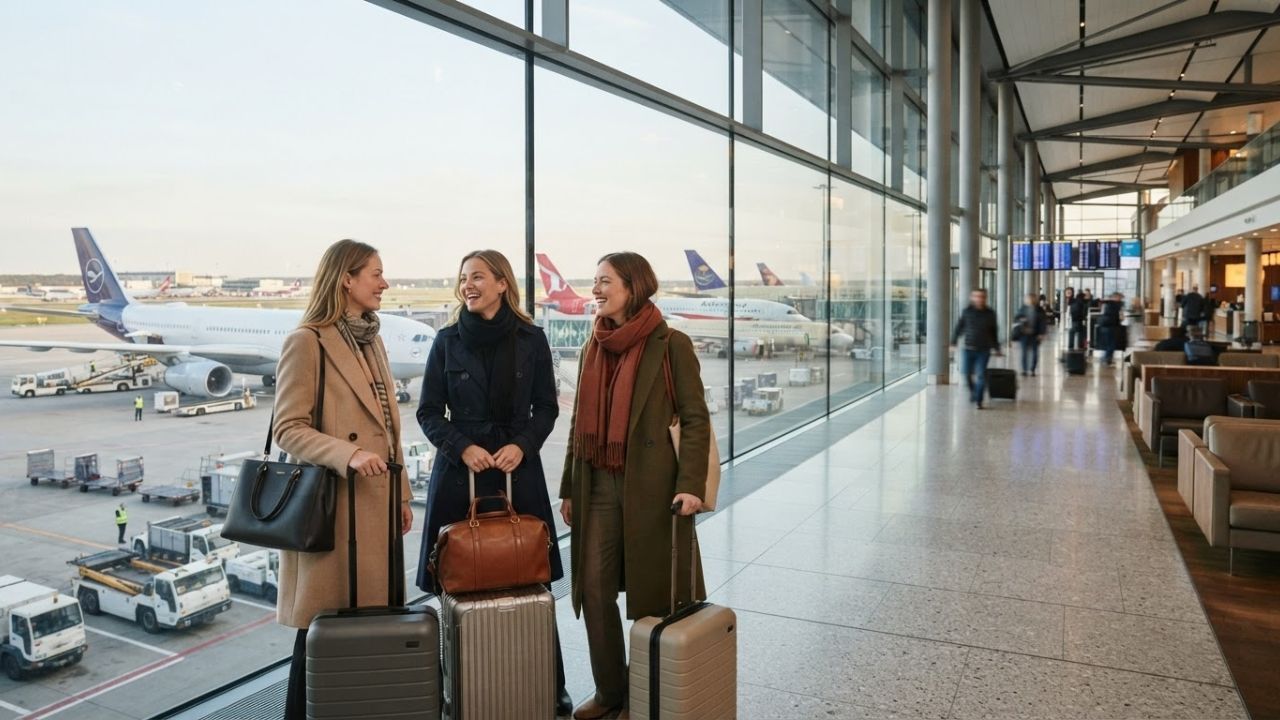
Image generated by AI
Lufthansa, WestJet, and Virgin Australia are leading the 2026 global hybrid airline rankings, blending unbundled short-haul fares with premium long-haul cabins to capture diverse passenger demand.
The Local Trend Revealed: Pricing and Service Segmentation
The global aviation sector is observing a shift where the historic divide between low-cost carriers (LCCs) and legacy full-service network airlines is disappearing. To defend market share against budget rivals while preserving high-yield international corporate travelers, leading legacy and national carriers are adopting a "hybrid airline model." Under this framework, airlines operate cost-conscious, unbundled flights on short-haul routes while offering premium cabins, global connections, and full catering on transoceanic services.
The 2026 global hybrid rankings highlight this structural integration:
- Lufthansa (Rank 1): Europe's legacy carrier leads by implementing unbundled pricing models on intra-European connections while maintaining full-service standards, multi-cabin seating, and connecting hub networks for long-haul international flights.
- WestJet (Rank 2): The Canadian carrier balances competitive pricing across transborder routes with premium services, adapting to the geography of long domestic flights and transatlantic corridors.
- Virgin Australia (Rank 3): Serves the Australian domestic market by offering value-oriented seats alongside business-class configurations and lounge networks.
- United States Carriers: Delta Air Lines ranks fourth, United Airlines ranks fifth, and American Airlines ranks sixth, showing the scale of product segmentation across extensive domestic and intercontinental routes.
- Wider Hybrid Category: Other major airlines in the ranking include legacy European operators (SWISS, Finnair, British Airways, TAP Portugal, Iberia, Air Europa, SAS, Austrian Airlines, and ITA Airways), alongside Air Canada, Alaska Airlines, Avianca, Air Transat, and Southwest Airlines.
This structural hybridization allows carriers to unbundle fees for baggage, meals, and seat selection on high-competition routes, while offering premium comfort options on long-distance flights.
Global Hybrid Airline Competitive Parameters (2026)
| Leading Hybrid Airline | Category Rank | Primary Regional Network | Core Service Integration | Secondary Route Partners |
|---|---|---|---|---|
| Lufthansa | Rank 1 | European & Transatlantic hubs | Unbundled short-haul / Full long-haul | SWISS, Austrian Airlines, SAS |
| WestJet | Rank 2 | Canada & Transborder routes | Flexible domestic / Transatlantic | Air Transat, regional lines |
| Virgin Australia | Rank 3 | Australian domestic networks | Value seating / Premium business | Regional South Pacific connections |
| Delta Air Lines | Rank 4 | US domestic & Global gateways | Multi-tier seat cabins, lounges | SkyTeam Alliance networks |
| United Airlines | Rank 5 | US domestic & Transpacific links | Segmented basic economy / Polaris | Star Alliance hub partners |
| American Airlines | Rank 6 | US domestic & Latin America lines | Main cabin unbundling / Premium lie-flat | Oneworld partner networks |
Cultural & Environmental Value: Customizing Travel for Lower Waste
For the traveler, the real impact of this hybrid airline shift is the ability to customize flight expenses to support low-waste, community-conscious itineraries. By using unbundled basic fares on short connections and redirecting budget savings to local eco-resorts and community-owned guides, passengers ensure their travel dollars support local economies directly.
Mapped in coordination with the International Air Transport Association (IATA) and destination tourism offices, this pricing model lowers barriers to international travel. At the same time, it keeps long-haul premium connections active to fund carbon-offset programs and local conservation networks, protecting the local environment.
Destination Specialist Local Insider Tips
To help you calculate your fare choices and navigate transit hubs comfortably, regional specialists suggest the following tips:
- Savor Local Dining Options: Experience regional airport and city gastronomy. If flying through Frankfurt or Munich hubs, try authentic Pretzel with Obatzda (a traditional Bavarian cheese dip made of camembert, butter, paprika, and a splash of wheat beer, served with freshly baked soft pretzels) at local terminal bistros.
- Review Fare Rules Before Booking: Under hybrid ticketing structures, basic economy fares often exclude checked bags, seat selection, and boarding options. Compare the cost of adding extras to a basic ticket versus buying a bundled mid-tier fare.
- Maximize Personal Carry-on Limits: Pack efficiently to stay within weight and dimension restrictions for free carry-on baggage, avoiding high gateside check-in fees.
- Verify Lounge Access policies: Some hybrid airlines restrict lounge entry for entry-level business class tickets or basic frequent flyer tiers. Check access details prior to departure.
- Explore Schleissheim Palace: Take an under-the-radar detour. If you face a long layover at Munich Airport, take a taxi to the Schleissheim Palace grounds to walk through the historic 18th-century gardens away from terminal gates.
Long-Term Outlook: Future-Ready Global Aviation Networks
The long-term outlook for global aviation remains positive, driven by the expansion of flexible fare structures and next-generation fuel-efficient aircraft. As airlines continue to deploy segmented ticket tiers and destination developers collaborate with carriers to establish direct secondary routes, traveler numbers will grow. By aligning operational fleet efficiency with sustainable, community-backed travel guidelines, the aviation sector is building a resilient, long-term global transit framework.
Related Travel Guides
Disclaimer
This article is for informational and educational purposes only. It does not constitute legal, financial, or professional advice. While we strive to provide accurate and up-to-date information, travel policies, regulations, and conditions change rapidly. Always verify information with official sources before making travel decisions. Nomad Lawyer makes no representations about the accuracy, reliability, completeness, or suitability of the information provided. Readers should consult qualified professionals for advice specific to their circumstances. The views expressed in this article are those of the author and do not necessarily reflect the views of Nomad Lawyer.
Preeti Gunjan
Contributor & Community Manager
A passionate traveller and community builder. Preeti helps grow the Nomad Lawyer community, fostering engagement and bringing the reader experience to life.
Learn more about our team →