
Lufthansa Strikes Escalate Across Germany: Massive Flight Disruptions Threaten Summer Travel Season
Lufthansa faces unprecedented labor action in Germany with widespread flight cancellations. Travelers face major delays and route disruptions across Europe's busiest aviation hub.

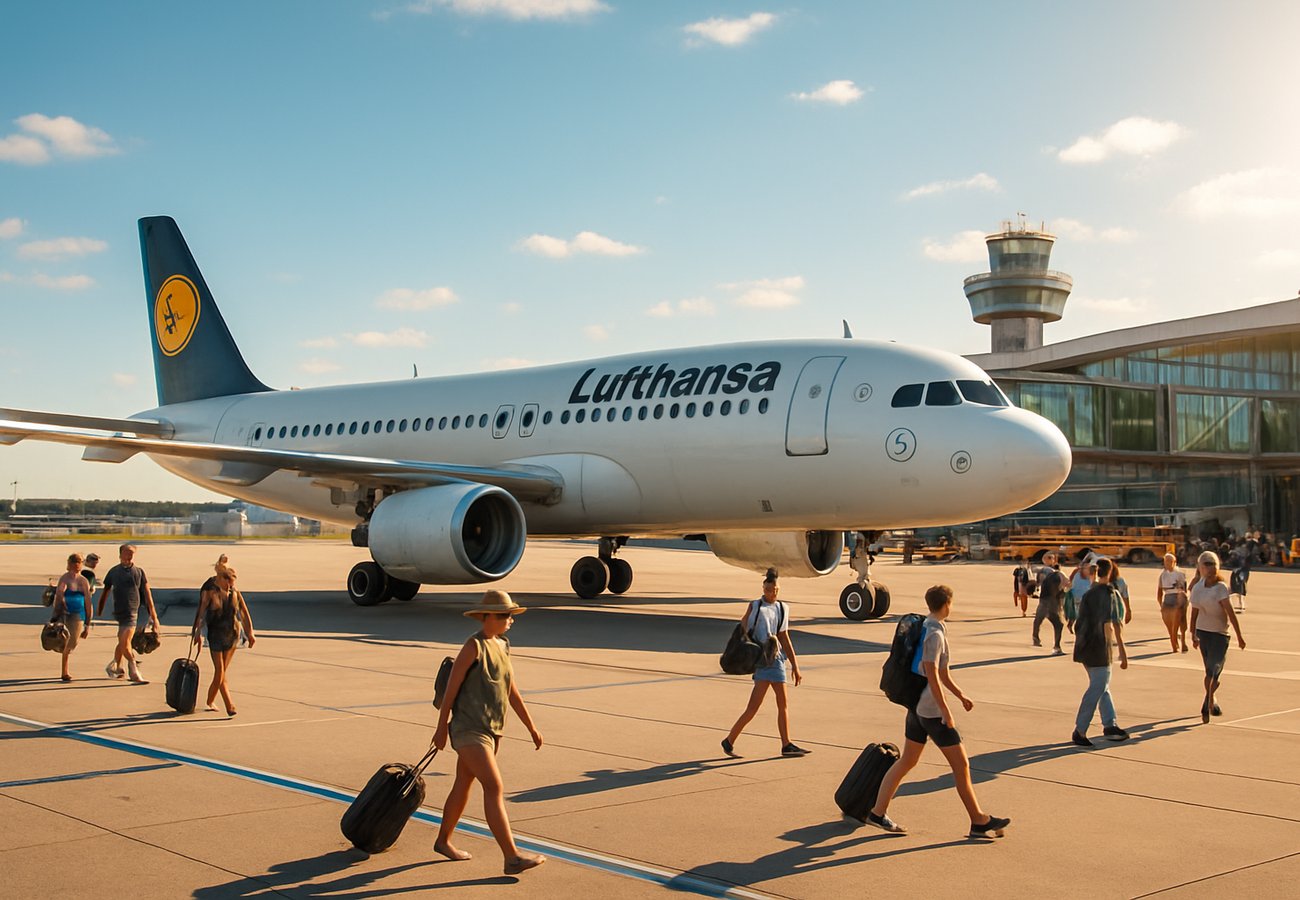
Image generated by AI
Lufthansa Faces Unprecedented Strike Action as Labor Tensions Boil Over
Lufthansa, Europe's largest airline carrier, is bracing for severe operational chaos as escalating labor disputes threaten to paralyze Germany's aviation infrastructure. The German airline giant has announced sweeping flight cancellations across its network, with strike action intensifying at critical hubs including Frankfurt (FRA) and Munich (MUC), signaling one of the most disruptive periods for global aviation since the pandemic recovery began.
The labor standoff centers on wage negotiations between Lufthansa and its workforce, with unions demanding substantial pay increases to offset inflation and cost-of-living pressures. Multiple union factions representing cabin crew, ground staff, and technical personnel have coordinated strike action, creating a perfect storm of operational disruption. Industry observers warn this represents a critical moment for European aviation, as Germany's role as a continental aviation nexus means ripple effects will cascade across transatlantic routes, connecting flights, and regional services throughout the EU and beyond.
Cascading Impact on Global Aviation Networks
The strike's timing could not be worse for the travel industry. As spring transitions into peak summer travel season, Lufthansa operates approximately 1,300 daily flights across its network, connecting passengers to over 300 destinations worldwide. The carrier's dominance in Germany and Central Europe means that disruptions at Frankfurt and Munich airports directly impact connecting passengers from Asia, the Middle East, and the Americas attempting to reach onward European destinations. According to data from the International Air Transport Association (IATA), labor actions at major European hubs can reduce overall regional capacity by 15-25% within 48 hours.
Competing carriers including Lufthansa's subsidiary brands—Swiss International Air Lines (SWISS), Austrian Airlines, and Brussels Airlines—are also experiencing knock-on effects as shared infrastructure, crew scheduling, and aircraft positioning become increasingly constrained. Budget carriers like Ryanair and easyJet have begun adjusting schedules to capitalize on capacity gaps, though their limited presence on long-haul routes means they cannot absorb the full displacement of Lufthansa passengers. The airline industry's interconnected nature means that fuel prices impact airlines across the board, but labor disputes create unpredictable supply shocks that pricing mechanisms cannot easily absorb.
Economic Pressures and Wage Negotiation Standoff
The underlying dispute reflects broader tensions within global aviation. Post-pandemic recovery has created unprecedented demand for air travel, yet airline staffing remains below pre-2020 levels at many carriers. Lufthansa employees argue that wage growth has lagged inflation, particularly in Germany where cost-of-living increases have outpaced salary adjustments. Union representatives have rejected the airline's latest contract proposals, viewing them as insufficient given the carrier's strong profitability during the travel rebound.
Lufthansa management counters that aggressive wage increases would undermine competitiveness against low-cost carriers and Middle Eastern competitors like Emirates and Qatar Airways, which operate under different labor frameworks. The airline has warned that capitulating to union demands could necessitate fleet reductions, route consolidations, or higher ticket prices—outcomes that would ultimately harm passengers. This deadlock reflects a fundamental challenge facing European carriers: balancing fair labor compensation with operational sustainability in an increasingly competitive global marketplace.
What This Means for Travelers
Passengers holding Lufthansa tickets face immediate uncertainty. The airline is offering rebooking on alternative carriers, hotel accommodations for overnight delays, and meal vouchers, though these provisions may become overwhelmed if strike action extends beyond 48 hours. Travelers should immediately contact Lufthansa directly or check their official website for real-time flight status updates rather than relying on third-party booking platforms, which often lag behind operational changes by several hours.
For those planning travel through Germany in the coming weeks, consider routing through alternative hubs like Amsterdam (AMS), Paris (CDG), or London (LHR) if possible. Travel insurance that covers strike-related cancellations is increasingly valuable; standard policies often exclude labor actions, so review coverage details before departure. Passengers with flexible itineraries should consider postponing non-essential travel until labor negotiations conclude, as uncertainty will likely persist for weeks.
Industry insight: Labor actions at major European hubs typically resolve within 7-10 days once negotiations intensify, but secondary disruptions—crew fatigue, aircraft positioning delays, and schedule recovery—can extend passenger impacts for 2-3 weeks afterward.
Looking Ahead: The Future of European Aviation Labor Relations
This Lufthansa crisis signals a broader reckoning within European aviation. As fuel prices impact airlines' operating margins and climate regulations increase compliance costs, carriers face mounting pressure to maintain profitability while meeting employee expectations. The outcome of these negotiations will likely set precedent for labor discussions at Air France-KLM, British Airways, and other major European carriers facing similar wage demands.
Travelers should monitor developments closely and remain flexible with bookings. The aviation industry's recovery remains fragile, and labor disputes—unlike weather or mechanical issues—carry unpredictable timelines. Verify all flight details directly with Lufthansa or official airport authorities before traveling, and maintain contingency plans for alternative routing or dates.
Related Travel Guides
Disclaimer
This article is for informational and educational purposes only. It does not constitute legal, financial, or professional advice. While we strive to provide accurate and up-to-date information, travel policies, regulations, and conditions change rapidly. Always verify information with official sources before making travel decisions. Nomad Lawyer makes no representations about the accuracy, reliability, completeness, or suitability of the information provided. Readers should consult qualified professionals for advice specific to their circumstances. The views expressed in this article are those of the author and do not necessarily reflect the views of Nomad Lawyer.
Kunal K Choudhary
Co-Founder & Contributor
A passionate traveller and tech enthusiast. Kunal contributes to the vision and growth of Nomad Lawyer, bringing fresh perspectives and driving the community forward.
Learn more about our team →