
Lufthansa strike leaves hundreds of Nigerian passengers sleeping at German airports
Lufthansa strikes in April 2026 stranded hundreds of Nigerian travelers at Frankfurt and Munich hubs overnight, forcing passengers to sleep on terminal floors during disrupted connections to Lagos and West African destinations.

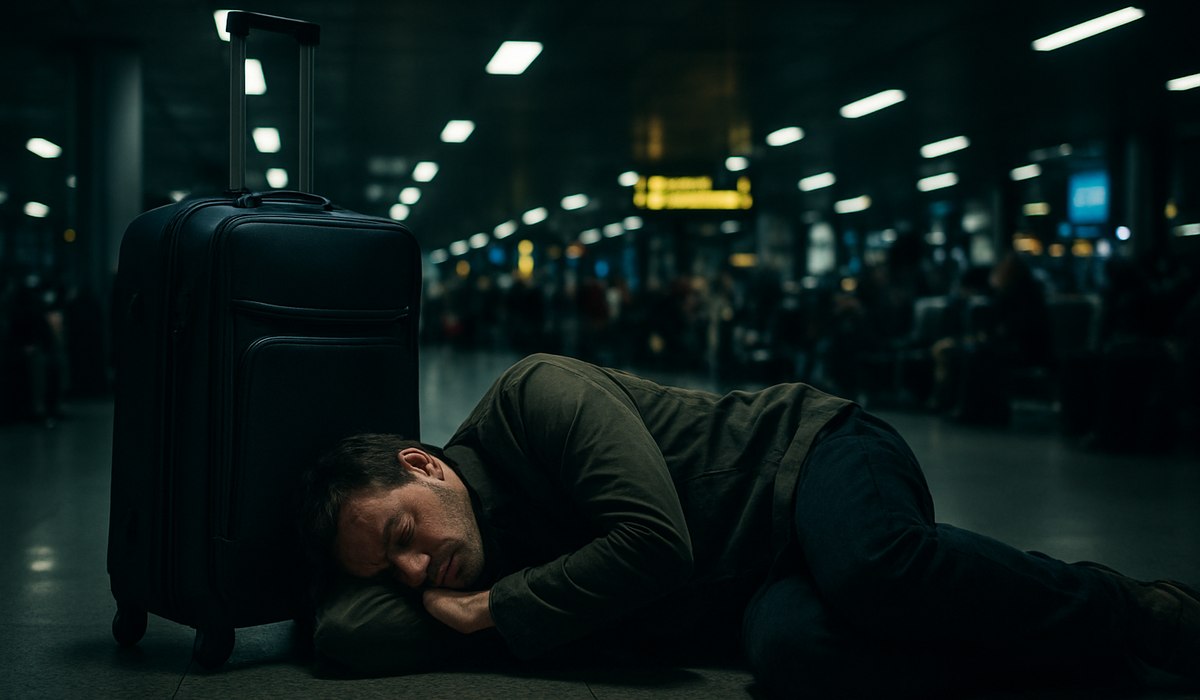
Image generated by AI
Lufthansa Strike Leaves Hundreds of Nigerian Passengers Stranded Overnight at German Airport Hubs
Lufthansa industrial action has left over 400 Nigerian travelers sleeping on terminal floors and benches at Frankfurt and Munich airports after widespread cancellations disrupted connections to Lagos, Abuja, and other West African destinations. The strike, triggered by escalating pay and working conditions disputes involving pilots and cabin crew, created a cascade of missed connections for passengers whose itineraries depended on tight timeframes through Germany's major aviation hubs. Nigerian media outlets and social media accounts documented the overnight disruptions, highlighting inadequate accommodation arrangements and inconsistent passenger support during a peak travel weekend.
Widespread Disruptions Hit West Africa Routes
The Lufthansa strike waves targeted long-haul and short-haul operations across the airline's network, with particular impact on Germany-to-Nigeria service corridors. Frankfurt Airport reported over 200 canceled flights on April 19, 2026, affecting services to Lagos, the continent's busiest hub. Munich and Düsseldorf airports also experienced significant schedule reductions.
Nigerian passengers originating from London, Paris, Amsterdam, and other European cities relied on tight Lufthansa connections through German gateways to complete their journeys home. When short-haul feeder flights were scrubbed or long-haul aircraft were diverted, entire passenger chains collapsed within hours. Union representatives cited inflation pressures and deteriorating crew rest standards as justification for the industrial action, while Lufthansa management warned of mounting operational costs and network fragmentation.
The strike coincided with Easter holiday travel, multiplying passenger volume at already-strained terminals. Families, business travelers, and university students heading to Nigeria found themselves trapped in transit with limited rebooking options and dwindling flight availability throughout the evening.
Passengers Stranded Overnight Without Accommodation
Accounts from stranded travelers paint a difficult picture of overnight conditions at German airport terminals. Multiple Nigerian news sources documented passengers sleeping on terminal seating, on departure hall floors, and in unsecured waiting areas due to insufficient hotel accommodations arranged by the airline.
Frankfurt Airport's Terminal 1 became an impromptu sleeping zone as hundreds of affected passengers settled into uncomfortable seating areas after their scheduled flights to Nigeria were canceled. Lufthansa ground staff reportedly informed passengers that hotel inventory in the surrounding area had been exhausted by earlier disruption waves.
Some travelers were relocated to nearby hotels in Offenbach and Hanau, but assignment appeared arbitrary and dependent on when passengers reached customer service desks. Late-night arrivals at information counters found minimal staff availability to process accommodation requests. Passengers with small children, elderly family members, or medical conditions faced particular hardship navigating the overnight situation without clear airline support.
European Union regulations require airlines to provide meals, refreshments, and accommodation during disruptions exceeding 12 hours. Despite these requirements, enforcement proved inconsistent. Some passengers received meal vouchers; others received none. Hotel arrangements came hours after cancellation announcements, leaving travelers uncertain whether they should remain at the airport or explore external options.
Root Cause: Pay and Conditions Dispute Escalates
Lufthansa's pilot union and cabin crew representatives escalated industrial action demands for wage increases reflecting 2026 inflation impacts and improved working hour regulations. Union leadership cited crew fatigue and insufficient rest periods between long-haul flights as safety concerns requiring immediate resolution.
The strike represented the latest phase in ongoing negotiations that began in early 2026. Previous work stoppages in February and March had already cost the airline hundreds of millions in revenue and passenger compensation. April's action signaled union determination to maintain pressure on management until substantive wage improvements were secured.
Industry analysts noted that Lufthansa's operational challenges extended beyond immediate financial losses. The airline faced reputational damage among African travel markets, where passenger loyalty depends heavily on reliable service to Lagos, Johannesburg, and Accra. Nigerian business travelers and leisure passengers began researching alternative carriers for future European connections.
Lufthansa management eventually agreed to resume negotiations, though no settlement was reached by April 19's conclusion. The airline announced plans to gradually restore schedules through April 21, with priority given to long-haul and Africa-bound services.
What Passengers Should Know About Lufthansa Strike Impacts
EU Regulation 261/2004 entitles affected passengers to compensation ranging from €250 to €600 depending on flight distance and delay length. However, compensation claims may be denied if the airline proves the disruption resulted from extraordinary circumstances beyond operational control—though labor disputes typically do not qualify for this exemption.
Passengers stranded overnight have documented claims to accommodation, meal vouchers, and communication expenses. Lufthansa's customer service portal allows submission of supporting documentation including hotel receipts, meal invoices, and telecommunications records. Processing typically requires 6-12 weeks.
For future travel planning, passengers should monitor strike calendars published through German union websites and aviation news sources. Building 3-4 hour connection buffers during known labor dispute periods reduces vulnerability to cascading cancellations. Consider purchasing flight interruption insurance that covers hotel and meal expenses during unexpected overnight delays.
Track real-time flight status through FlightAware before departing for the airport. Register with your airline's notification system to receive push alerts about schedule changes. Download airline contact information and have backup airline phone numbers available offline.
Traveler Action Checklist for Airport Disruptions
-
Immediately contact your airline's customer service desk upon learning of flight cancellation—early arrivals secure priority for rebooking onto next-available flights.
-
Request written confirmation of all canceled flights and rebooking confirmations; screenshot digital records and email confirmations to yourself for documentation purposes.
-
Preserve all receipts for meals, transportation, hotel accommodations, and communication expenses; these support compensation claims under EU regulations.
-
Photograph terminal conditions, gate closure announcements, and sleeping areas if overnight stays become necessary; visual documentation strengthens claims about inadequate passenger care.
-
Request meal vouchers immediately and in writing if not automatically offered; document whether vouchers cover full meal costs or require passenger supplementation.
-
If rebooking involves alternative airlines or routing through third countries, verify visa requirements and baggage handling protocols with new carrier before accepting rebooked itinerary.
-
File compensation claims within six months through Lufthansa's customer relations website, including all supporting receipts and correspondence records.
-
Contact your national aviation consumer protection authority if the airline fails to respond to compensation claims within statutory timeframes.
Key Disruption Impact Data
| Metric | Details |
|---|---|
| Passengers Affected | 450+ Nigerian travelers across Frankfurt, Munich, Düsseldorf |
| Flights Canceled | 200+ flights on April 19, 2026 |
| Primary Route Impact | Lufthansa services to Lagos (LOS), Abuja (ABV) |
| Overnight Stranded | 180+ passengers forced to remain at airports overnight |
| EU Compensation Owed | €250-600 per passenger depending on flight distance |
| Expected Recovery Timeline | Gradual schedule restoration through April 21, 2026 |
What This Means for Travelers
Nigerian passengers should understand that Lufthansa strike impacts extend beyond flight delays. European airlines operating under EU jurisdiction must provide specific passenger protections, though real-time implementation varies significantly.
Document everything. Preserve boarding passes, cancellation notices, hotel receipts, meal invoices, and correspondence with airline representatives. Photographs of terminal conditions strengthen compensation appeals if the airline initially denies claims.
Act quickly on rebooking. When flights are canceled, prioritize reaching airline customer service before queues become unmanageable. Secure rebooking onto alternative flights or airlines within 24 hours if possible.
**Understand your rights
Disclaimer
This article is for informational and educational purposes only. It does not constitute legal, financial, or professional advice. While we strive to provide accurate and up-to-date information, travel policies, regulations, and conditions change rapidly. Always verify information with official sources before making travel decisions. Nomad Lawyer makes no representations about the accuracy, reliability, completeness, or suitability of the information provided. Readers should consult qualified professionals for advice specific to their circumstances. The views expressed in this article are those of the author and do not necessarily reflect the views of Nomad Lawyer.
Kunal K Choudhary
Co-Founder & Contributor
A passionate traveller and tech enthusiast. Kunal contributes to the vision and growth of Nomad Lawyer, bringing fresh perspectives and driving the community forward.
Learn more about our team →