
Lufthansa Strike Grounds 580+ Flights Across German Hubs During Easter Peak
Lufthansa cabin crew strike cancels 580+ flights across Frankfurt and Munich on April 11, 2026, stranding 70,000+ passengers during Easter travel peak and cascading disruptions through European network.

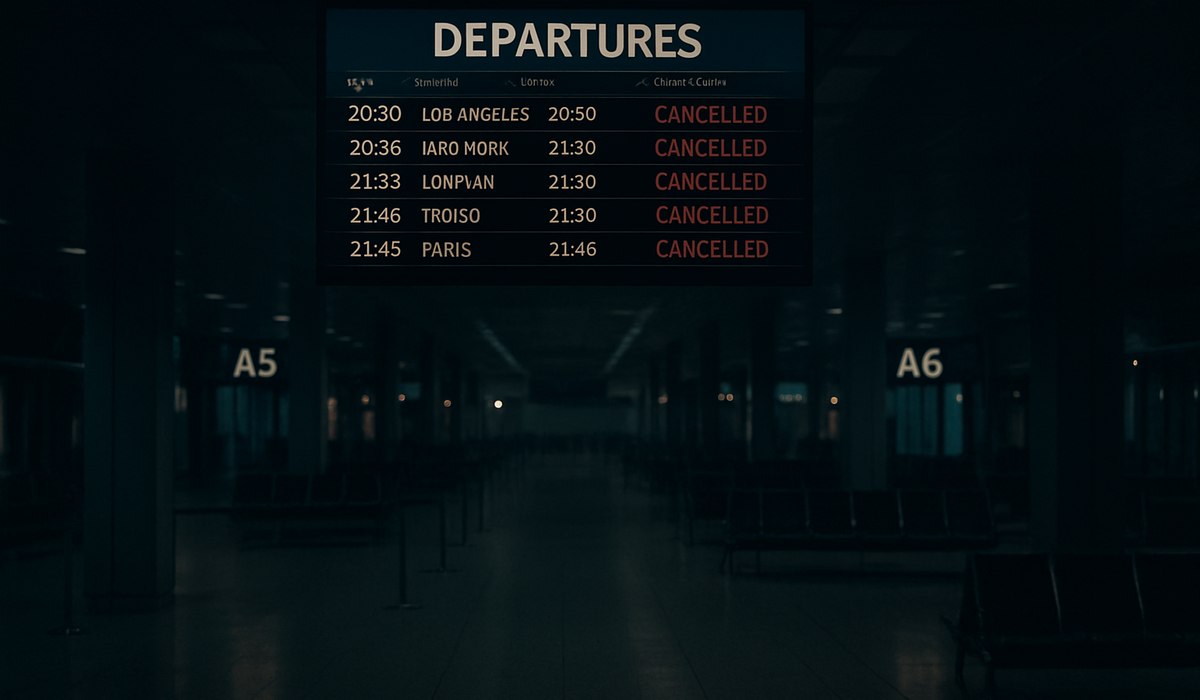
Image generated by AI
Lufthansa Strike Grounds Hundreds of Flights During Easter Season
Lufthansa's cabin crew strike grounds 580 flights across Germany's primary aviation hubs on April 11, 2026, affecting more than 70,000 passengers during the peak Easter holiday travel period. The industrial action, organized by the Independent Flight Attendants' Organization (UFO), triggered widespread cancellations at Frankfurt and Munich while cascading disruptions rippled through the European network, impacting connections to destinations across the continent from Budapest to Vilnius.
Frankfurt and Munich Bear Brunt of Cancellations
Frankfurt Airport, Europe's third-busiest aviation hub and Lufthansa's flagship base, absorbed the strike's heaviest impact. Approximately 580 of 1,350 scheduled movements were canceled on the strike day, representing a 43% reduction in traffic. The departure boards displayed a landscape dominated by red cancellation notices, particularly affecting short and medium-haul routes serving European destinations where Lufthansa operates dense networks.
Munich Airport, the airline's second major hub, experienced similarly severe disruptions. While the cancellation count ran lower than Frankfurt, Lufthansa and its regional subsidiary Lufthansa CityLine saw departures reduced throughout the day. The interconnections between these two hubs—critical for feeding long-haul services—suffered acute delays and schedule disruptions as aircraft rotations unraveled.
The strike extended to secondary German bases including Berlin, Stuttgart, and Leipzig/Halle, where CityLine operates regional connections. However, data suggests long-haul intercontinental services maintained relatively higher completion rates than regional flights, as Lufthansa prioritized limited crew resources for premium, higher-revenue international services.
Cascade Effect Spreads Across European Network
The hub-focused nature of the strike created multiplier effects throughout Europe's interconnected flight network. When Germany's two largest aviation hubs experience simultaneous disruptions, downstream airports lose incoming feed traffic and connecting passengers, forcing cascading cancellations and delays.
Airports in neighboring countries reported significant spillover impact. Budapest, Vilnius, Prague, and Vienna saw multiple Lufthansa services scrapped as aircraft and crews remained out of position. Multi-segment itineraries proved particularly vulnerable—passengers booked on Lufthansa connections between North America and regional European cities discovered their essential German hub transfer canceled while other journey segments remained operational.
Travel industry analysts describe this cascade pattern as typical of major hub strikes. Even flights technically operated often carried substantial delays as ground crews managed repeated schedule adjustments and aircraft completed missed rotations from earlier cancellations. Recovery typically extends 24-48 hours beyond strike conclusion as the network resets to normal operations. For real-time flight status updates during such disruptions, passengers can consult FlightAware, which provides live tracking of cancellations and delays across European networks.
Union Dispute Escalates After Months of Tension
UFO's April strike marked the third significant work action at Lufthansa within eight weeks, following a March cockpit crew walkout that grounded substantial portions of the schedule. The escalating industrial action reflects deepening disputes over crew compensation, working hours, and staffing levels during a period of historically high travel demand.
The timing maximized disruption to outbound rotations from German bases. Lufthansa scheduled the strike from midnight through late evening, targeting morning and early afternoon departures that feed the airline's long-haul network. This window selection demonstrated union strategy to create maximum leverage while complicating airline recovery efforts.
Labor cost pressures, elevated airport fees at Frankfurt and Munich, and increased rail competition on European short-haul routes have compressed airline margins while demand surges post-pandemic. The airline announced intentions to expand Asian and Middle Eastern long-haul capacity later in 2026, even as crew disputes and infrastructure constraints pressure regional service frequency.
What This Means for Travelers
The Lufthansa strike grounds demonstrated how concentrated hub disruptions create exponential passenger impact. Travelers with connections through Frankfurt or Munich faced unexpected itinerary complications, while those booked on partner airlines discovered codeshare Lufthansa flights canceled.
| Metric | Data Point |
|---|---|
| Flights Canceled (Strike Day) | 580+ across German hubs |
| Estimated Passengers Affected | 70,000+ direct impact |
| Primary Hub Impact | Frankfurt Airport (43% movement reduction) |
| Secondary Hub Impact | Munich Airport significant disruptions |
| Affected Regions | Europe, Budapest, Vilnius routes |
| Strike Duration | Midnight to late evening local time |
| Union Organization | UFO (Independent Flight Attendants' Organization) |
| Preceding Strike | March 2026 cockpit action |
Traveler Action Checklist
-
Check flight status immediately: Visit FlightAware to confirm if your Lufthansa flight from Frankfurt, Munich, or secondary German airports is canceled or delayed.
-
Contact Lufthansa directly: Call your booking reference or use the airline's website to initiate rebooking before phone lines become overwhelmed during mass cancellations.
-
Document all disruption-related expenses: Keep receipts for alternative transportation, accommodation, and meals, as EU261 regulations may entitle you to compensation.
-
Understand your rights: Review U.S. Department of Transportation airline consumer protection guidelines at US DOT for passenger rights across airline-specific policies.
-
Explore alternative routing: Ask your airline about rebooking via different hubs (Berlin, Cologne, Düsseldorf) or partner carriers to reach your destination.
-
Verify cascade impacts: If connecting through Germany to another European city, confirm both segments independently, as one cancellation doesn't automatically delete the second leg.
-
Monitor union updates: Follow UFO statements and Lufthansa press releases for details on additional strike dates or negotiation progress.
FAQ: Lufthansa Strike Questions
Q: Will the Lufthansa strike grounds affect my May 2026 flights?
A: The April 11 strike was a single-day action. However, UFO has called additional potential walkouts if negotiations stall. Monitor airline communications and union statements for announcements regarding future strike dates before and during your travel window.
Q: Am I entitled to compensation if Lufthansa cancels my flight due to the strike?
A: EU261 regulations typically exclude compensation for strikes classified as extraordinary circumstances. However, airlines must still provide rebooking, accommodation, and meal vouchers. U.S. passenger rights differ—consult US DOT for domestic carrier standards.
Q: Which Lufthansa subsidiary airlines does the strike affect?
A: The strike impacted Lufthansa mainline and Lufthansa CityLine (regional subsidiary). Lufthansa's other subsidiaries including Eurowings, Swiss International Air Lines, and Austrian Airlines typically aren't directly involved unless union negotiations expand strike scope.
Q: How can I track real-time updates during the strike?
A: Use FlightAware for live flight tracking, check Lufthansa's official app and website for airline-issued updates, and follow official union communications. Airport websites like Frankfurt Airport and Munich Airport also publish real-time disruption information.
What This Means for Travelers
The strike demonstrates critical vulnerabilities when hub-dependent networks experience simultaneous labor actions. Passengers on multi-segment itineraries face disproportionate disruption, while those booked through smaller European cities that depend on Frankfurt or Munich connections encounter complex rebooking scenarios.
Industry experts note that labor tensions at major European carriers will likely persist as crew compensation disputes—particularly regarding working hours and staffing adequacy—remain unres
Disclaimer
This article is for informational and educational purposes only. It does not constitute legal, financial, or professional advice. While we strive to provide accurate and up-to-date information, travel policies, regulations, and conditions change rapidly. Always verify information with official sources before making travel decisions. Nomad Lawyer makes no representations about the accuracy, reliability, completeness, or suitability of the information provided. Readers should consult qualified professionals for advice specific to their circumstances. The views expressed in this article are those of the author and do not necessarily reflect the views of Nomad Lawyer.
Raushan Kumar
Founder & Lead Developer
Full-stack developer with 11+ years of experience and a passionate traveller. Raushan built Nomad Lawyer from the ground up with a vision to create the best travel and law experience on the web.
Learn more about our team →