
Lufthansa Just Launched Munich Stopovers — Here is What to Know
Lufthansa introduces multi-day Munich stopovers for US-Europe travelers, while the US aviation sector faces new EEOC disability lawsuits.

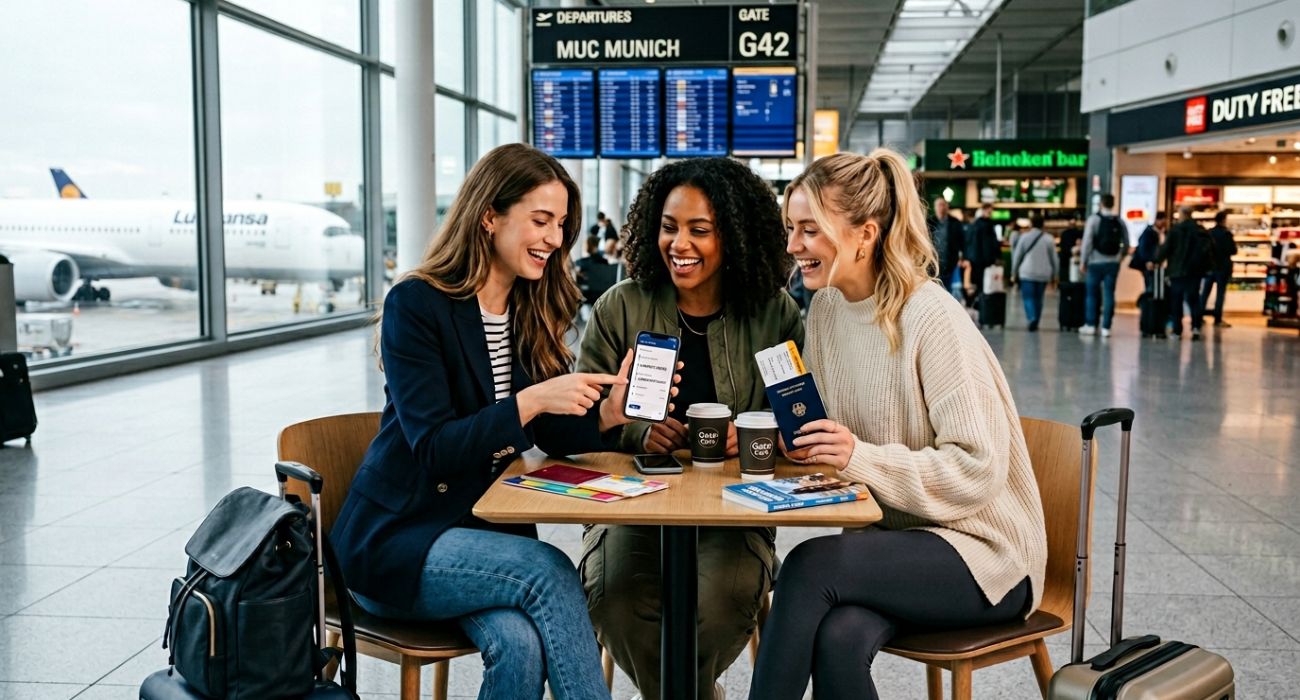
Image generated by AI
Quick Summary
- Lufthansa has introduced a new flexible stopover program, allowing US passengers flying to Europe to pause in Munich for up to seven days on a single ticket.
- The feature is seamlessly integrated into the booking engine and is available for travelers departing from 10 major US gateway cities.
- Passengers can access exclusive third-party deals for Bavarian hotels, car rentals, and major sightseeing attractions like Neuschwanstein Castle.
- In parallel US aviation news, the EEOC has filed a major federal lawsuit in Texas against American Airlines regarding disability accommodations for a blind reservations agent.
Lufthansa has officially transformed transatlantic travel by introducing a highly flexible Munich stopover option for passengers flying between the United States and Europe. Starting immediately, travelers routed through Germany’s cultural capital can build a multi-day pause of up to seven days directly into their itinerary without the hassle or expense of booking separate tickets. This strategic launch not only elevates Munich’s status as a premier intercontinental hub alongside Frankfurt, but it also reflects a fierce new era where full-service carriers compete aggressively on deep, immersive travel experiences rather than just price.
How the Lufthansa Munich Stopover Works
Under this newly launched initiative, travelers embarking from the US to wider Europe can seamlessly add a stopover in Munich ranging from one night to a full seven days. The program operates natively within Lufthansa’s booking interface. When travelers input their dates, departure city, and final European destination, a simple toggle appears offering the intermediate Munich stay. The airline’s fare engine then recalculates the ticket pricing in real time, keeping the entire journey bundled under a single, transparent reservation.
This stopover feature is available for both one-way and round-trip bookings, and passengers can assign their German city break to either the outbound or return leg of their trip. Existing reservations originating in the US or Europe can occasionally be retroactively updated to include the Munich stop, though these complex adjustments must be processed manually through Lufthansa’s customer service center.
Key Facts & Highlights
- Eligible US Gateways: Boston, Chicago, Los Angeles, Miami, New York City, San Diego, San Francisco, Seattle, Washington D.C., and Charlotte.
- Stopover Duration: Passengers can stay in Munich between 1 and 7 days.
- Cultural Hotspots Accessible: Marienplatz, the Glockenspiel, Viktualienmarkt, Frauenkirche, and Hofbräuhaus München.
- Regional Excursions: Neuschwanstein Castle, the Bavarian Alps, BMW Welt and museum, and the Dachau Concentration Camp Memorial Site.
- Cost Structure: The stopover keeps flights under one ticket; however, hotels and ground tours are paid separately via third-party providers.
Added Value Through Local Bavarian Partnerships
To maximize the tourism appeal of southern Germany, Lufthansa has actively collaborated with local Bavarian partners. At checkout, stopover passengers are presented with promotional offers featuring reduced rates on local hotels, car rentals, and sightseeing experiences.
However, Lufthansa maintains a neutral commercial stance; these tourism services are not bundled into the base airfare. Travelers must arrange transfers and attraction tickets directly with third-party providers. This model allows the airline to drive incremental tourism spending into Germany while keeping the core transatlantic flight product streamlined. From winter Christmas markets to automotive heritage at BMW Welt, this stopover initiative successfully positions Munich as a standalone tourism gateway.
Parallel News: EEOC Lawsuit Against American Airlines
While European aviation expands its leisure offerings, the US aviation sector is navigating intense legal scrutiny regarding workplace rights. The US Equal Employment Opportunity Commission (EEOC) has filed a high-stakes lawsuit in federal court in Texas against American Airlines. The suit alleges the carrier violated federal law by refusing to provide reasonable accommodations for a reservations agent who became permanently blind.
According to the filing, the employee was hired in January 2012 but sustained an injury six months later resulting in permanent cortical blindness. Following medical leave, the agent requested a return to work in December 2016 on a part-time schedule using JAWS—a screen reader software that converts on-screen text to synthesized speech. Although blindness support organizations offered free configuration assistance, American Airlines allegedly rejected the request without properly testing the software and failed to transfer the agent to alternative qualified roles.
Discovery Disputes and Industry Context
The Texas legal dispute currently centers on software discovery. The EEOC is demanding access to test American Airlines’ reservations software for JAWS compatibility to determine if accommodation was reasonable, as they seek both reinstatement and back pay. The airline objects, arguing its systems have changed drastically between 2016 and 2020, and cites cybersecurity risks and customer data protection as reasons to block the inspection. American Airlines previously referenced a third-party evaluation suggesting full accessibility could not be guaranteed.
This is not the airline's first clash with regulators. In 2017, American Airlines and its affiliate Envoy Air reached a nationwide settlement in a separate EEOC case concerning inadequate evaluations for employee accommodations.
What This Means for Travelers and the Industry
For international travelers, Lufthansa’s new stopover program translates into massive flexibility, allowing US passengers to seamlessly explore Germany’s rich history without complex ticketing. It highlights a growing industry trend where legacy carriers leverage intermediate hubs as lucrative tourism destinations.
Simultaneously, the legal battle involving American Airlines serves as a stark reminder of the operational and ethical pressures facing global carriers at home. As airlines aggressively innovate the passenger experience connecting Europe and the US, they remain under rigorous examination regarding fair treatment and accessibility within their own corporate workforces.
Frequently Asked Questions (FAQ)
Which US cities offer the Lufthansa Munich stopover option? The stopover program is available from ten major gateways: Boston, Chicago, Los Angeles, Miami, New York City, San Diego, San Francisco, Seattle, Washington D.C., and Charlotte.
Are hotels and tours included in the Lufthansa stopover ticket? No. While Lufthansa offers promotional discounts through local partners during booking, all hotels, car rentals, and tours must be arranged and paid for separately with third-party providers.
How long can I stay in Munich using this stopover program? Passengers can choose to pause their itinerary in Munich for anywhere between one night and up to seven days.
What is the EEOC lawsuit against American Airlines about? The EEOC filed a federal lawsuit in Texas alleging American Airlines failed to provide reasonable accommodations—specifically JAWS screen reader software—to a reservations agent who developed permanent cortical blindness in 2012.
Disclaimer
This article is for informational and educational purposes only. It does not constitute legal, financial, or professional advice. While we strive to provide accurate and up-to-date information, travel policies, regulations, and conditions change rapidly. Always verify information with official sources before making travel decisions. Nomad Lawyer makes no representations about the accuracy, reliability, completeness, or suitability of the information provided. Readers should consult qualified professionals for advice specific to their circumstances. The views expressed in this article are those of the author and do not necessarily reflect the views of Nomad Lawyer.
Kunal K Choudhary
Co-Founder & Contributor
A passionate traveller and tech enthusiast. Kunal contributes to the vision and growth of Nomad Lawyer, bringing fresh perspectives and driving the community forward.
Learn more about our team →