
Lucknow Redefines Experiential Tourism in Uttar Pradesh
Lucknow is shifting from a monument-only sightseeing destination to an experiential tourism hub focused on craft workshops and culinary trails.
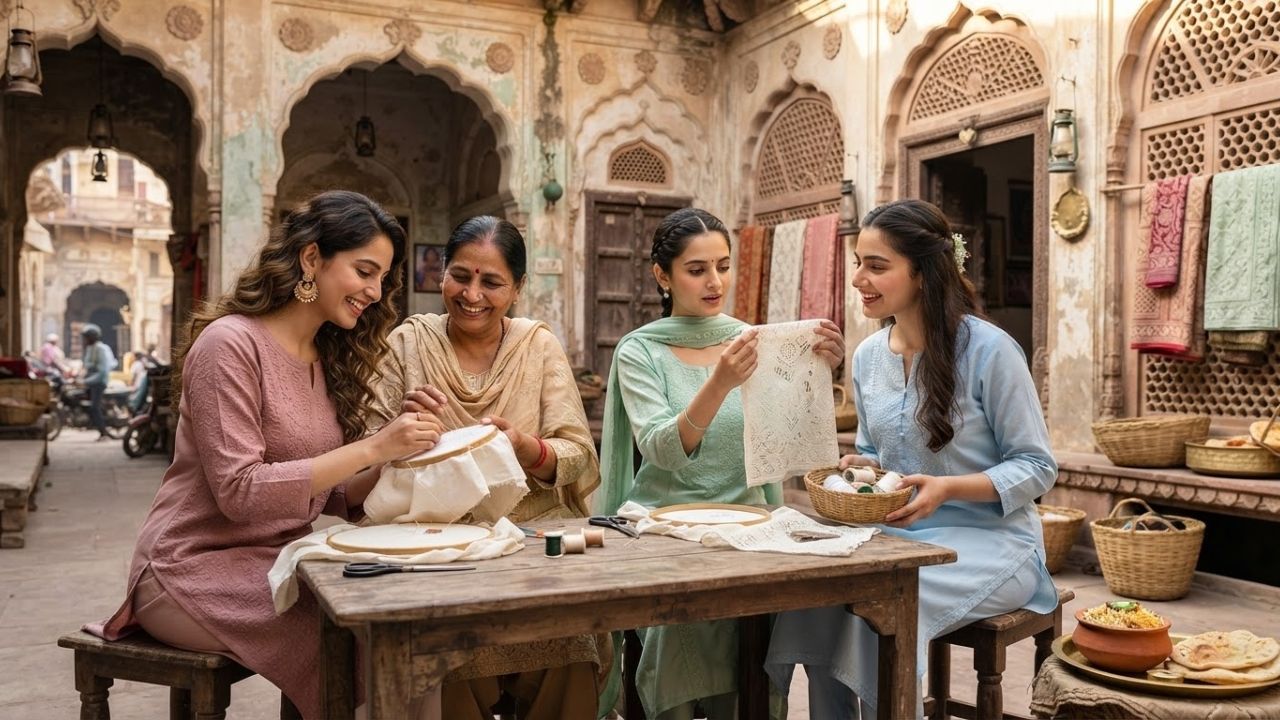
Image generated by AI
Pivoting from static monument sightseeing to interactive cultural circuits under the NITI Aayog 2026 tourism work framework, Lucknow is establishing itself as Uttar Pradesh's premier experiential tourism hub.
The Core Transit Update
Regional transport networks and local tourist corridors in Uttar Pradesh are adapting to support interest-led visitor circuits. The historical city of Lucknow is broadening its tourism proposition away from traditional preservation-only mindsets.
Instead of treating the city as a collection of static landmarks, destination strategists are introducing curated gastronomic journeys, interactive artisan workshops focused on preserving Chikan embroidery needlework, and live musical performance integrations. Backed by digital navigation platforms, these pathways are designed to encourage longer stays, distribute traveler spending directly to local craftsmen, and align with national experiential development goals.
Experiential Circuits & Policy Comparisons
Planning a cultural journey to Uttar Pradesh requires tracking active artisan cooperatives and understanding tourism policy shifts. The following tables outline Lucknow's experiential tourism pillars and compare the legacy tourism metrics with the modern framework.
| Experiential Tourism Circuit | Core Activity / Focus | Stated Target Artisan/Heritage Sector | Strategic Tourism Integration Role |
|---|---|---|---|
| Gastronomic Journey | Historic kitchen & spice trail | Traditional Awadhi culinary chefs | Access to heritage recipes beyond restaurants |
| Artisan Workshop | Hands-on craft workspace | Chikan embroidery needleworkers | Direct support of cottage-industry businesses |
| Cultural Performance | Storytelling & regional theater | Folk music and theater groups | Seamless link between monument & living heritage |
| Digital Navigation | Interest-led digital circuits | Local travel trade operators | Technological integration of local circuits |
Lucknow's experiential tourism pillars and visitor circuits.
| Strategic Tourism Parameter | Previous Policy / Framework | 2026 Experiential Trajectory |
|---|---|---|
| Primary Metric | Basic tourist footfall tracking | Quality and duration of traveler engagement |
| Heritage Focus | Structural monument preservation only | Living museum concept with active participation |
| National Integration | Fragmented regional schemes | Aligns with NITI Aayog 2026 tourism work |
| Economic Distribution | Concentrated around main ruins | Spreads visitor spend to local home-based craft circles |
Comparison of Lucknow's legacy tourism and modern experiential frameworks.
Traveler Logistics Guide
From a ground-level perspective, the best way to navigate this is to arrange your local transport through the official Uttar Pradesh tourism desk or registered tour operators, as this ensures your Awadhi culinary walk and Chikan embroidery workshop bookings are coordinated through certified local artisans. Checking workshop timings is recommended.
To plan your experiential journey:
- Allow Safe Transit Windows: Traffic in Lucknow's historic chowk (old city) area can be heavily congested. Allow at least one hour of transit buffer when traveling from modern hotels in Gomti Nagar to the old quarters.
- Respect Workshop Etiquette: Chikan embroidery is a meticulous, hand-crafted art. Turn off camera flashes when entering artisan workspaces to avoid distracting the needleworkers.
- Observe Digital Route Updates: Download the regional tourism circuit maps before entering the older bazaars, as narrow lanes can sometimes block mobile network signals.
- Carry Small Currency Notes: While digital payments are expanding under national initiatives, carry small Indian Rupee (INR) cash notes for street food sampling and buying local souvenirs.
Infrastructure Impact Assessment
The implementation of interest-led digital circuits and the integration of artisanal workshops protect traditional family-owned enterprises from economic displacement.
By directing traveler spending to local weavers, traditional home-based kitchens, and neighborhood music ensembles, the experiential strategy supports sustainable employment, preserves fragile cultural heritage, and balances the economic footprint across both urban and suburban districts of Lucknow.
Related Travel Guides
Baja California Establishes Standardised Hiking Trails for Adventure Tourism
Shravani Mela 2026 Deoghar Travel Tips and Logistics Guide
10 Best Travel Tips for Exploring Lucknow's Historic Chowk, Booking Awadhi Food Walks, and Buying Authentic Chikan Embroidery, According to Reddit
Disclaimer
This article is for informational and educational purposes only. It does not constitute legal, financial, or professional advice. While we strive to provide accurate and up-to-date information, travel policies, regulations, and conditions change rapidly. Always verify information with official sources before making travel decisions. Nomad Lawyer makes no representations about the accuracy, reliability, completeness, or suitability of the information provided. Readers should consult qualified professionals for advice specific to their circumstances. The views expressed in this article are those of the author and do not necessarily reflect the views of Nomad Lawyer.