
Los Angeles 2028 Triggers Hotel Revamps as Visa Delays Threaten US Tourism
As Los Angeles accelerates hotel renovations and building conversions ahead of the 2028 Olympics, severe visa delays in India and Latin America threaten arrivals.

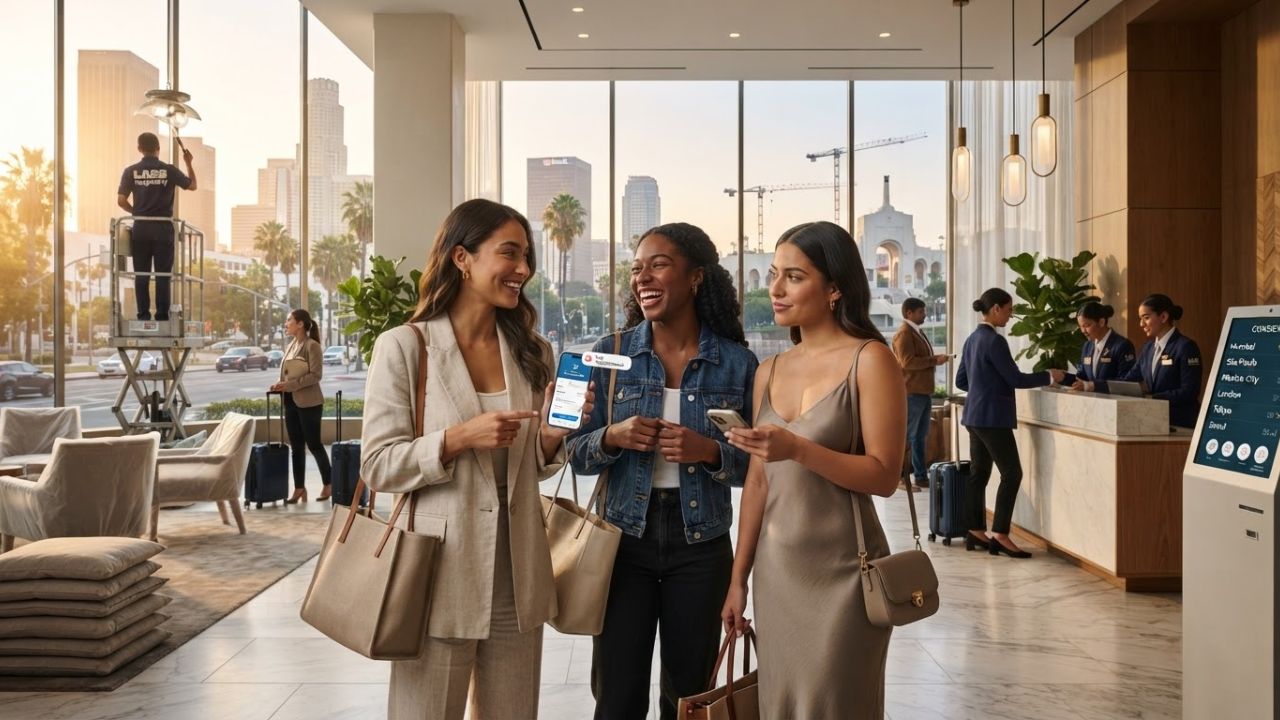
Image generated by AI
While the impending 2028 Summer Olympic Games have ignited an aggressive wave of hotel renovations and adaptive-reuse conversions across Southern California, severe US visa appointment backlogs in key source markets like India and Latin America threaten to dampen international spectator turnout.
The Local Trend: Olympic Infrastructure Drives a Multi-Destination Hospitality Boom
Across the United States, tourism boards and global hospitality operators are preparing for the 2028 Los Angeles Summer Olympic Games (LA28). Rather than relying solely on slow ground-up construction, hotel developers and destination marketing organizations (DMOs) are accelerating comprehensive property renovations and commercial-to-hotel conversion projects.
These investments aim to dramatically increase room inventory quality, energy efficiency, and guest capacity across Los Angeles, the San Fernando Valley, Long Beach, and Anaheim. Recognizing that international sports enthusiasts rarely travel across the globe for a single city, tourism authorities are positioning Los Angeles as the starting gate for extended multi-destination American itineraries connecting with San Francisco, Las Vegas, New York, and Miami.
LA28 Tourism Strategy: Capital Investment vs. Consular Friction
| Industry Dimension | Operational Focus | Primary Strategic Benefit | Bottlenecks / Challenges |
|---|---|---|---|
| Hotel Renovations | Full-scale room and public area upgrades | Elevated guest experience & premium rates | Supply chain delays & construction costs |
| Building Conversions | Adaptive reuse of commercial properties | Faster inventory delivery than new builds | Municipal zoning & historical permits |
| Multi-City Itineraries | Linking LA with SFO, LAS, NYC, and MIA | Distributes foreign spending across US | Domestic flight and rail coordination |
| Consular Processing | Consular automation & interview waivers | Unlocks high-growth inbound markets | Extended visa wait times in India & LATAM |
The Consular Hurdle: Visa Interview Backlogs in High-Growth Markets
While physical hotel rooms and stadium upgrades are progressing smoothly, the US travel economy faces a major systemic barrier: lengthy waiting periods for US B1/B2 tourist visa interviews.
In fast-expanding outbound travel powerhouses—notably India, Brazil, Colombia, and Mexico—prospective visitors continue to encounter appointment wait times stretching over several months. Because overseas sports travelers must secure visas before committing non-refundable funds for Olympic tickets, transatlantic flights, and luxury hotel rooms, extended consular wait times risk depressing attendance from regions with the highest outbound growth rates.
In response, national travel coalitions and industry associations are actively petitioning the US Department of State to expand consular automation, implement video interviews for renewals, and waive in-person interview mandates for low-risk applicants to safeguard the projected multi-billion-dollar economic dividend of the 2028 Games.
Cultural and Regional Economic Value
The intersection of Olympic preparations and tourism infrastructure produces significant long-term benefits for local communities:
- Adaptive Historic Preservation: In Downtown Los Angeles (DTLA), adaptive reuse policies are transforming historic early-20th-century banking halls and garment warehouses into boutique lifestyle hotels, preserving architectural heritage while revitalizing urban walking corridors.
- Neighborhood Economic Dispersion: Olympic venues are distributed across diverse municipal clusters—from the Coliseum in Exposition Park to the Sepulveda Basin in the Valley—funneling tourism dollars directly into neighborhood dining establishments, cultural museums, and family-owned small businesses.
- Expanding Multi-State Tourism Corridors: International visitors booking two-to-three-week Olympic vacations are pairing event attendance with iconic road trips along California Highway 1, visits to Yosemite and Grand Canyon National Parks, and extended leisure stays in neighboring culinary hubs.
Destination Specialist Local Insider Tips
Travelers planning extended visits to California ahead of or during major international sports events can maximize their experience with these specialist recommendations:
- Apply for US Tourist Visas at Least 18 Months in Advance: If visiting from India or South America, schedule your visa interview appointment as early as possible to bypass consular appointment queues before booking non-refundable tickets.
- Base in Transit-Connected Neighborhoods: Look for newly revamped hotels near Metro rail lines in Downtown LA, Santa Monica, or Pasadena to bypass congested highway traffic on game days and reach venues via light rail.
- Experience LA’s Diverse Global Culinary Micro-Districts: Avoid generic tourist chains by dining in Little Tokyo for authentic hand-pulled ramen, the San Gabriel Valley for regional Sichuan specialties, and East LA for legendary street-side tacos de birria.
- Combine Olympic Spectating with Highway 1 Road Trips: Rent an electric vehicle to drive the Central Coast toward Big Sur and Monterey, taking advantage of newly installed fast-charging corridors along California state routes.
- Check Off-Peak Visiting Hours for Cultural Landmarks: Visit cultural gems like the Getty Center, the Broad Museum, or Griffith Observatory during weekday mornings (between 10:00 and 12:00) to secure easy admission and unhurried viewing.
Future Outlook
The 2028 Los Angeles Olympic Games serve as a powerful catalyst for modernizing American lodging infrastructure and showcasing urban renewal. However, the ultimate economic success of the Games depends on Washington’s ability to streamline consular processing, ensuring that travelers worldwide can pass through America's doors as easily as hotels are opening theirs.
Related Travel Guides
Disclaimer
This article is for informational and educational purposes only. It does not constitute legal, financial, or professional advice. While we strive to provide accurate and up-to-date information, travel policies, regulations, and conditions change rapidly. Always verify information with official sources before making travel decisions. Nomad Lawyer makes no representations about the accuracy, reliability, completeness, or suitability of the information provided. Readers should consult qualified professionals for advice specific to their circumstances. The views expressed in this article are those of the author and do not necessarily reflect the views of Nomad Lawyer.
Raushan Kumar
Founder & Lead Developer
Full-stack developer with 11+ years of experience and a passionate traveller. Raushan built Nomad Lawyer from the ground up with a vision to create the best travel and law experience on the web.
Learn more about our team →