
Longevity Summit India 2026: Mumbai Redefines Wellness Tourism via AI and Healthspan Science
The Longevity Summit India 2026 in Mumbai signals a shift in global tourism, merging AI-driven diagnostics and bio-optimization with luxury hospitality to prioritize healthspan over simple lifespan.

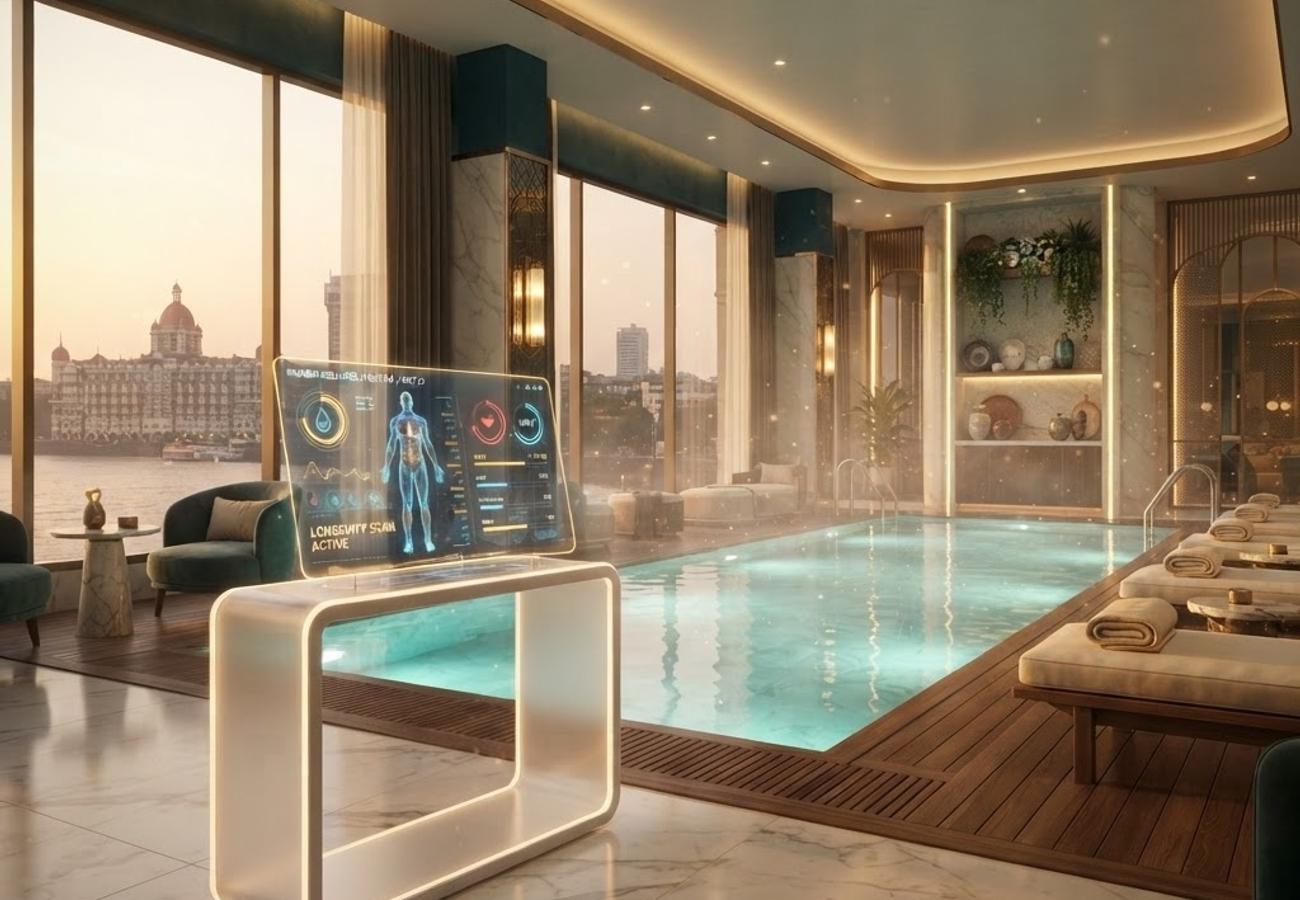
Image generated by AI
Mumbai is pivoting from a traditional transit hub to a global epicenter for "healthspan" tourism, where AI-driven diagnostics and bio-optimization meet luxury hospitality. The Longevity Summit India 2026 has established a new blueprint for how the travel industry can integrate preventive healthcare into the guest experience.
A Paradigm Shift from Lifespan to Healthspan
The Longevity Summit India 2026, hosted at the Fairmont Mumbai, gathered over 1,000 delegates to challenge the traditional goals of medicine. Rather than focusing solely on extending the number of years lived (lifespan), the summit emphasized "healthspan"—the period of life spent in good health, free from chronic disease and cognitive decline.
This shift has direct implications for the tourism sector. The event brought together a diverse cohort of scientists, biohackers, clinicians, and investors to explore the intersection of human performance and hospitality. By moving beyond the "spa break" mentality, the summit positioned wellness as a proactive, data-driven pursuit rather than a passive luxury.
Integrating AI and Bio-Optimization into Hospitality
The summit demonstrated that the future of high-end travel lies in personalized, technology-led health assessments. Through more than 10 dedicated experience zones, attendees engaged with a sophisticated array of longevity tools that are now becoming viable additions to luxury hotel offerings.
Featured technologies and therapies included:
- AI-Powered Diagnostics: AI body scanning and genomic health assessments.
- Advanced Recovery: Hyperbaric oxygen therapy and compression therapy.
- Bio-Optimization: Molecular hydrogen, intermittent hypoxic training, and peptide therapies.
- Internal Health: Gut health analysis and body composition tracking.
The involvement of AIWO as the Title Sponsor highlighted the role of artificial intelligence in creating a preventive-health ecosystem. For the traveler, this means a future where a hotel stay includes a comprehensive biological audit and a tailored recovery plan.
The Fairmont Mumbai Model: Hotels as Wellness Hubs
The Fairmont Mumbai, which opened in April 2025 with 446 rooms and suites near Chhatrapati Shivaji Maharaj International Airport, served as more than just a venue; it acted as a living laboratory for longevity tourism.
The property's BluXone at Fairmont Spa and Longevity is recognized as India's first longevity-focused wellness space within a luxury hotel. During the summit, the hotel implemented the "Five Bodies Framework"—Earth, Water, Air, Fire, and Flow—to create immersive recovery experiences.
Experiential wellness highlights included:
- Water-based recovery: Watsu, guided underwater meditation, ice plunges, and Blue Mind practices.
- Mind-body connection: Sound experiences, breathwork, and yoga.
- Nutritional Science: The implementation of color-coded food zones (Yellow, Green, and White) to align dining with metabolic, digestive, and cardiovascular health.
Expanding the Horizon: Senior Living and Long-Stay Travel
The summit also addressed the evolving needs of an aging global population. The launch of Shremoha—a premium senior independent living platform created through a partnership between Shrem Group and Emoha (part of Age Care Labs)—suggests a blurring line between hospitality and geriatric care.
By combining hospitality-led living with preventive health and personalized care, this model opens new avenues for "purposeful travel." This trend suggests that senior living is becoming part of the wider tourism conversation, specifically for those seeking long-term stays focused on maintenance and independence.
Global Expertise and the Indian Market
India is uniquely positioned to lead this movement by blending ancient wellbeing traditions with cutting-edge geroscience. The summit featured more than 40 international experts, including:
- Prof. Dato’ Sri Dr. Mike Chan
- Siim Land
- Dr. Chris Kacher
- Dr. Gino Yu
This convergence of global clinical expertise and local hospitality indicates that Mumbai is developing a competitive edge in the global wellness economy, attracting visitors who view travel as a vehicle for biological optimization.
Summary of Summit Infrastructure
| Feature | Detail |
|---|---|
| Total Delegates | 1,000+ |
| International Speakers | 40+ |
| Experience Zones | 10+ |
| Primary Venue | Fairmont Mumbai (446 rooms/suites) |
| Key Partners | Le Florence India, AIWO, Maharashtra Tourism, DecodeAge |
| Framework Used | Five Bodies (Earth, Water, Air, Fire, Flow) |
Key Takeaways
- Healthspan over Lifespan: Tourism is shifting toward "preventive" experiences that improve quality of life, not just duration.
- Tech-Integrated Stays: AI body scanning and bio-optimization tools are moving from clinics into luxury hotel environments.
- Nutritional Storytelling: Food is being rebranded as a health intervention through color-coded, function-specific dining zones.
- Convergence of Sectors: The boundaries between luxury hotels, senior living, and medical clinics are disappearing.
FAQ
What is the difference between lifespan and healthspan? Lifespan is the total number of years a person lives, while healthspan is the number of years lived in optimal health, free from the debilitating effects of aging.
How is AI being used in wellness tourism? AI is used for personalized health assessments, body scanning, and the analysis of genomic and gut health data to create bespoke wellness programs for guests.
What is the Five Bodies Framework? It is a holistic approach used at the summit to categorize wellness activities into Earth, Water, Air, Fire, and Flow, ensuring a balance between physical and psychological health.
The intersection of AI and hospitality is transforming the luxury getaway into a biological upgrade.
Related Travel Guides
Disclaimer
This article is for informational and educational purposes only. It does not constitute legal, financial, or professional advice. While we strive to provide accurate and up-to-date information, travel policies, regulations, and conditions change rapidly. Always verify information with official sources before making travel decisions. Nomad Lawyer makes no representations about the accuracy, reliability, completeness, or suitability of the information provided. Readers should consult qualified professionals for advice specific to their circumstances. The views expressed in this article are those of the author and do not necessarily reflect the views of Nomad Lawyer.
Preeti Gunjan
Contributor & Community Manager
A passionate traveller and community builder. Preeti helps grow the Nomad Lawyer community, fostering engagement and bringing the reader experience to life.
Learn more about our team →