
London Tube Lines Close This Weekend: Complete Service Disruption Guide for 2026
Two London Underground lines face complete weekend closures April 12-13, 2026. Major engineering works will disrupt leisure and commuter travel across central London interchanges. Plan alternative routes now.

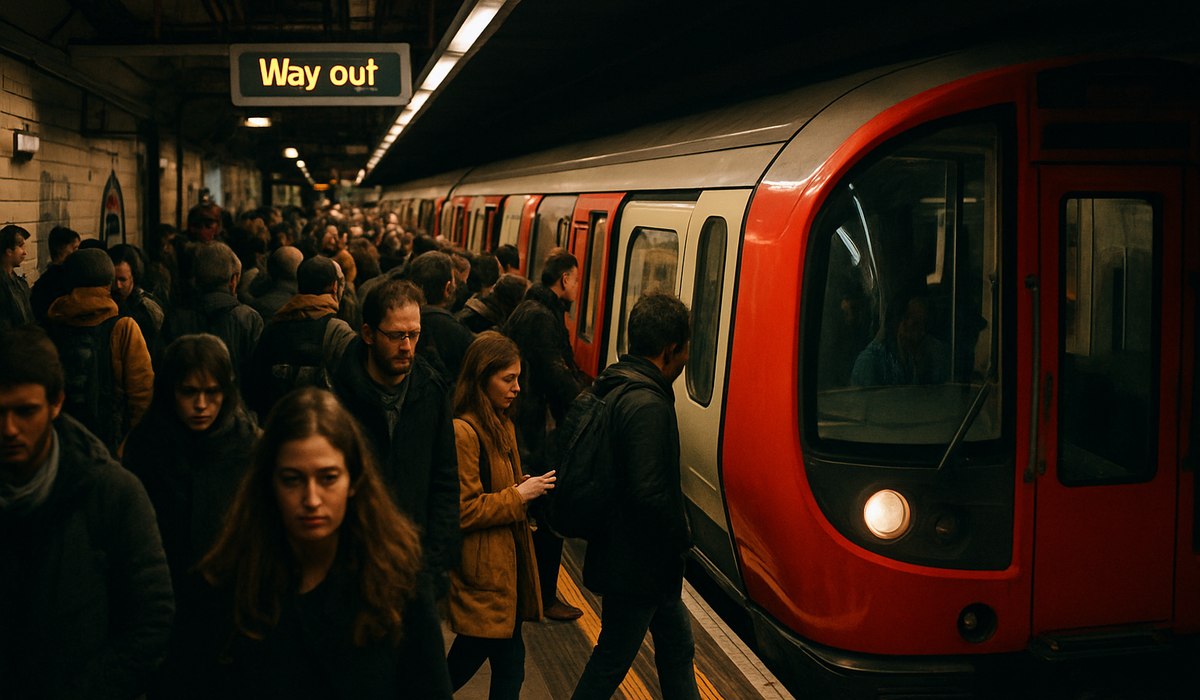
Image generated by AI
London Faces Major Weekend Travel Chaos as Two Tube Lines Shut Down
Two London Underground lines will cease operations completely this weekend as Transport for London executes critical infrastructure maintenance work across the capital's rail network. The full-line closures, scheduled for Saturday and Sunday, April 12–13, 2026, will significantly impact both leisure travelers and commuters relying on the network for weekend activities. Additional Underground lines will experience partial suspensions and reduced service frequencies during the same period, creating cascading delays across London's most congested interchange stations and affecting connections to the Elizabeth line, London Overground, and National Rail services.
The timing of these engineering works reflects Transport for London's established maintenance strategy: scheduling the most disruptive projects during weekends when overall passenger volumes are lower, though leisure, retail, and event-related travel can still suffer substantial impacts.
Which Tube Lines Are Affected This Weekend
Transport for London has confirmed that two complete London Underground line closures will take effect from early Saturday morning through late Sunday evening. While the operator has not yet published final weekend-specific details in all public channels, historical patterns from recent weekend works suggest that major central and orbital routes are typically targeted for full suspension during this type of infrastructure project.
The broader scope of weekend disruption includes several other London tube lines operating under severe constraints. These include suspended sections on specific branches, significantly reduced train frequencies (potentially 50% capacity reductions), and altered stopping patterns that bypass certain stations entirely. Passengers should anticipate longer waits between trains and crowded conditions on lines that remain fully operational.
Additional disruption extends to the Elizabeth line between central London and western London stations, where partial service reductions will further strain the already-taxed interchange hubs. National Rail services into major London terminals including Paddington and St Pancras are also experiencing separate weekend maintenance, compounding travel challenges for passengers attempting to connect between different rail networks.
Transport for London's live Journey Planner tool provides real-time updates on affected lines and recommended alternative routes. Checking your specific journey before departing remains essential for avoiding unexpected delays.
Impact on Key Interchanges and Commuter Routes
London's busiest interchange stations will face unprecedented passenger pressure this weekend. London tube lines closures force travelers to reroute through already-congested central area hubs where multiple Underground lines intersect, including King's Cross St Pancras, Bank, and London Bridge.
When two major London Underground lines shut simultaneously, remaining open lines absorb diverted passenger flows at concentrations far exceeding normal weekend levels. Historical data from recent closure weekends shows that the Jubilee, Victoria, and Northern lines—which typically serve as alternative routes when neighboring services suspend—experience crowding levels approaching 85% of capacity by mid-morning on both days.
Interchange connections with mainline rail services face compounded strain. Passengers displaced from closed tube lines frequently encounter simultaneous constraints when attempting to switch to National Rail services, as separate engineering works on traditional rail networks coincide with Underground maintenance windows. This creates bottleneck effects at major termini, particularly affecting airport-bound travelers routing through Paddington or Heathrow Express connections.
Regional rail travelers connecting from longer-distance services face more complex, time-intensive journeys when combining tube closures with reduced Elizabeth line capacity. Journey times can extend 40-60 minutes beyond normal durations during peak disruption hours (11:00-16:00 on both weekend days).
Travel Advice and Alternative Routes
Passengers with flexible weekend plans should strongly consider rescheduling non-essential journeys until Monday when full service resumes. Those who must travel should implement these practical strategies:
Use real-time journey planning tools rather than consulting static timetables. Transport for London's Journey Planner integrates live service updates and automatically suggests replacement bus routes, walking alternatives, and less-congested connection options.
Allow extra time for connections—typically 30-50% longer than your normal journey duration. Factor in potential bus replacement service delays, which often run 10-15 minutes behind schedule during high-disruption weekends.
Consider replacement bus services, which will operate on dedicated corridors replacing closed tube line segments. While slower than Underground travel, replacement buses provide guaranteed connectivity and avoid crowded interchange stations.
For airport-bound travelers, the Heathrow Express remains disrupted through central London connections. Alternative routing via Gatwick Express from Victoria or rail services from other terminals may prove faster, though they require longer travel times from central London.
Evaluate ride-hailing and taxi options for shorter journeys within central London, particularly for 2-3 person groups where per-person costs approach public transport alternatives.
Wider Infrastructure Upgrade Programme
These weekend closures form part of Transport for London's multi-year capital investment programme designed to modernize aging Underground infrastructure and increase network capacity. Current work encompasses comprehensive track renewals, signalling system upgrades, and power supply improvements across critical corridor sections.
The engineering strategy prioritizes full weekend line closures over fragmented overnight works because infrastructure projects—particularly track renewal and signalling installation—require uninterrupted access to tunnels and track beds. Attempting such work during evening or early-morning hours creates operational risks and typically extends project timelines by 30-40%.
Additional strategic drivers include testing and deployment of new rolling stock and signalling systems. Technical trials for next-generation trains and automated signalling software demand extended periods of undisturbed network access. Several London Underground lines currently transitioning toward higher-frequency service patterns require these extended closure windows for comprehensive system validation.
Transport for London's long-term benefits include improved service reliability, reduced unplanned closures from aging infrastructure failures, and capacity increases supporting London's growing population. However, passengers experience immediate impacts: rerouting complexity, extended journey times, and weekend travel plan disruptions throughout 2026 and beyond.
For comprehensive details on the wider upgrade programme, Transport for London's official capital investment documentation provides project timelines and expected completion dates for network improvements.
London Tube Lines Closure: Key Facts and Figures
| Disruption Element | Impact Details | Affected Passengers |
|---|---|---|
| Complete Line Closures | 2 full London Underground lines suspended Saturday-Sunday | Central London commuters, tourists, weekend travelers |
| Partial Service Closures | Multiple lines with reduced frequencies (40-60% capacity) | All London tube users, especially route-specific commuters |
| Interchange Strain | King's Cross, Bank, London Bridge exceed 85% capacity | Passengers transferring between underground lines |
| Elizabeth Line Disruptions | Reduced service west of central London through Sunday evening | Airport travelers, Heathrow-bound passengers, regional connectors |
| National Rail Impacts | Track works at Paddington and St Pancras termini coincide | Long-distance rail passengers, connecting travelers |
| Bus Replacement Services | Dedicated replacement bus corridors operate 05:00-23:30 both days | All affected route passengers, longer journey times expected |
| Typical Journey Time Increases | +40-60 minutes during peak hours (11:00-16:00) | All impacted travelers, particularly interchange users |
| Reopening Timeline | Full service restoration Monday April 14, 06:00 | All London underground network users |
What This Means for Travelers
Weekend disruption to London tube lines requires proactive planning and flexibility. Consider these numbered actionable steps:
-
Check Journey Planner Friday evening – Verify your specific route using Transport for London's live tool to understand closure impacts on your planned itinerary. Real-time information surpasses static advisories during disruption periods.
-
Reschedule non-essential weekend travel – If your activities can shift to weekday hours, postpone trips until Monday when normal service resumes. This single decision eliminates 60-90 minutes of potential delays.
-
Allow 50% additional time buffers – Add 30-50 minutes to normal journey durations. This accommodates bus replacement delays, crowded inter
Disclaimer
This article is for informational and educational purposes only. It does not constitute legal, financial, or professional advice. While we strive to provide accurate and up-to-date information, travel policies, regulations, and conditions change rapidly. Always verify information with official sources before making travel decisions. Nomad Lawyer makes no representations about the accuracy, reliability, completeness, or suitability of the information provided. Readers should consult qualified professionals for advice specific to their circumstances. The views expressed in this article are those of the author and do not necessarily reflect the views of Nomad Lawyer.
Raushan Kumar
Founder & Lead Developer
Full-stack developer with 11+ years of experience and a passionate traveller. Raushan built Nomad Lawyer from the ground up with a vision to create the best travel and law experience on the web.
Learn more about our team →