
London City Breaks: Neighborhood Dining Replaces Sightseeing in 2026
A new wave of international and modern British openings transforms London city breaks into immersive, neighborhood-centric culinary journeys.

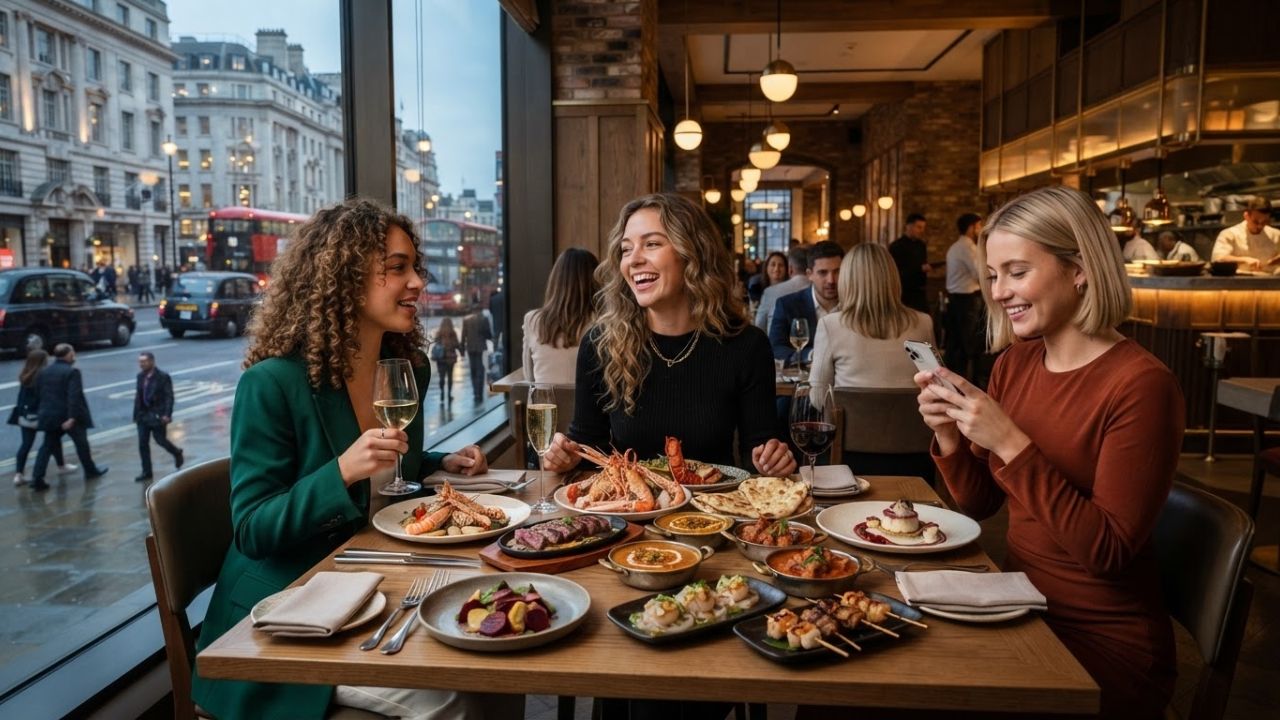
Image generated by AI
A new wave of distinctive international restaurant openings is transforming city breaks in London, with food-focused itineraries prompting travelers to explore creative residential neighborhoods rather than traditional sightseeing zones.
Modern travel is undergoing a structural shift as visitors move away from generic landmark sightseeing and seek deep immersion in the local culture. Today's travelers often plan their itineraries around local markets, dining reservations, and culinary workshops. In London, this trend has reached a new peak in 2026, with the city's hospitality sector driving neighborhood regeneration. Instead of visiting a district solely to see a historic monument, travelers are choosing their accommodations and exploration routes based on dining options. For the visitor, the real impact of this shift is the opportunity to move beyond the tourist traps and experience London as the locals do, discovering the unique character of each borough.
London benefits from a unique position because its culinary market reflects the city's multicultural identity. Visitors can experience authentic flavors from multiple continents within a single city break. By moving beyond traditional tourist hubs, the dining boom encourages travelers to extend their stays, explore residential enclaves, and build authentic connections with the local community. This trend is supported by regional tourism organizations like Visit London, which highlights the role of gastronomy in supporting local economies, generating jobs, and protecting culinary heritage.
High-Profile Openings Redefining London's Gastronomy
The latest wave of restaurant openings in London highlights a focus on heritage, design, and cultural identity. Several key properties have opened reservations, providing distinct concepts that cater to diverse palates. By introducing these unique dining options, the city's hospitality sector is redefining the traditional city break, making gastronomy the primary driver of travel planning.
The menu highlights several of the city's signature creations, emphasizing balance, texture, and technical execution:
- Wagyu Yakiniku Ushio (Fitzrovia): This premium Japanese-inspired restaurant introduces a highly refined wagyu dining experience, offering a multi-course approach centered around high-quality beef cuts prepared at the table.
- Langosteria at The OWO (Whitehall): Situated in a historic, beautifully converted government building, this upscale Italian seafood restaurant brings a luxury coastal dining concept to the city's central hospitality scene.
- Oudh 1722 (Borough): Bringing refined Awadhi Indian cuisine from northern India to the capital, this venue allows travelers to explore a historic, spice-rich culinary tradition that dates back to the royal kitchens of Lucknow.
- Teal (Hackney): This modern neighborhood restaurant focuses on local, sustainable British ingredients, delivering a sustainable, community-led dining experience that changes its menu daily based on seasonal availability.
- Mitsu (Shoreditch): Blending social Japanese izakaya influences with a colorful and vibrant interior design, this spot adds an energetic dining option to the city's creative heart, perfect for groups and late-night gatherings.
These properties demonstrate how restaurants are becoming independent travel destinations, combining premium service with cultural storytelling. This expansion encourages repeat visits from travelers looking for fresh experiences.
Expanding the Tourist Map to Creative Districts
London’s dining boom is decentralizing the visitor economy, redirecting foot traffic away from congested central zones like West End and Covent Garden. Neighborhoods such as Shoreditch, Hackney, Fitzrovia, and Borough have emerged as primary hotspots for food tourism, attracting visitors who want to live like local residents.
- Fitzrovia: Renowned for premium, upscale dining concepts and quiet residential streets, it serves as a central gateway for luxury travelers.
- Borough: Famous for its historic Borough Market, the area combines centuries-old food traditions with modern, independent dining concepts.
- Shoreditch: A center for creative industries, popular for its izakaya-style bars, street art, and contemporary social dining.
- Hackney: A rapidly growing destination for independent, farm-to-table restaurants and modern British culinary innovators.
By exploring these districts, visitors gain a more realistic, varied perspective of the capital while directly supporting municipal public transit, independent boutique hotels, local cafes, and neighborhood retailers. This geographic spread is encouraged by the British Tourist Authority to promote balanced economic growth across the city's diverse boroughs.
Sustainable Restaurant Operations and Local Sourcing
As food tourism expands, sustainability has become a key competitive factor for London's restaurant sector. In coordination with the Sustainable Restaurant Association (SRA), local venues are adopting green operational standards to reduce environmental impact, manage food waste, and conserve energy.
This includes transitioning to zero-waste kitchens, implementing energy-efficient induction cooking systems, and strictly sourcing seasonal ingredients from British farms. Modern neighborhood restaurants like Teal in Hackney collaborate directly with urban agriculture projects, community gardens, and regional organic growers in southern England, minimizing transport-related carbon emissions. Furthermore, the focus on local sourcing ensures that visitor spending directly supports regional agricultural communities, reinforcing the economic sustainability of the wider tourism ecosystem. By highlighting these eco-friendly practices, restaurants appeal to a growing demographic of climate-conscious travelers who prioritize sustainability in their travel decisions, setting a benchmark for urban destinations worldwide.
Destination Expert London Dining Insider Tips
To assist international travelers in planning their culinary itineraries and navigating the city, local destination specialists recommend the following practical tips:
- Understand Tipping and Service Charges: Tipping is discretionary in the UK. Many mid-to-high-end restaurants automatically add a 12.5% service charge to the final bill. If this charge is included, additional tipping is not expected. Cash is the preferred method if you want to ensure the tip goes directly to the server who assisted you.
- Use Contactless Payments for Transit: Avoid purchasing paper tickets or physical Oyster cards. London’s public transit network—including the Tube, DLR, and buses—fully supports contactless bank cards and mobile wallets (Apple Pay, Google Pay). Tapping the same card throughout the day automatically applies daily and weekly fare capping, ensuring you receive the cheapest fare for your travel zones.
- Book Popular Openings Weeks in Advance: Recently launched properties in Fitzrovia and Shoreditch experience high weekend demand. Secure your table reservations via official online booking portals well before your scheduled departure date to avoid disappointment.
- Explore Historic Food Markets During Weekdays: Visit Borough Market on a Wednesday or Thursday morning. Doing so allows you to interact with local food producers, sample authentic street food, and avoid the intense weekend visitor crowds.
- Dress Smart Casual: While London is generally relaxed, higher-end venues like Langosteria at The OWO maintain a smart casual dress code, typically requiring collared shirts, smart trousers, and closed-toe shoes.
London's Food Tourism Long-Term Economic Outlook
The long-term outlook for London's food tourism economy remains highly positive, supported by constant innovation and diverse international influences. By leveraging its multicultural population, the capital continues to strengthen its position against global culinary hubs like Paris, Tokyo, and New York.
By balancing neighborhood hospitality expansion with sustainable operations and local sourcing, the city is building a resilient tourism framework. This approach ensures that the visitor economy generates widespread economic benefits across multiple districts, protecting the local heritage and community character that draw travelers to the capital. The ongoing integration of culinary storytelling with urban preservation will ensure that London remains a premier global food destination.
Related Travel Guides
Disclaimer
This article is for informational and educational purposes only. It does not constitute legal, financial, or professional advice. While we strive to provide accurate and up-to-date information, travel policies, regulations, and conditions change rapidly. Always verify information with official sources before making travel decisions. Nomad Lawyer makes no representations about the accuracy, reliability, completeness, or suitability of the information provided. Readers should consult qualified professionals for advice specific to their circumstances. The views expressed in this article are those of the author and do not necessarily reflect the views of Nomad Lawyer.
Kunal K Choudhary
Co-Founder & Contributor
A passionate traveller and tech enthusiast. Kunal contributes to the vision and growth of Nomad Lawyer, bringing fresh perspectives and driving the community forward.
Learn more about our team →