
Lima Overtakes Santiago and Others as the Only Major Peruvian Airport to Record Chilean Tourist Arrival Growth for Eight Consecutive Months in 2026
Lima Overtakes Santiago and Others as the Only Major Peruvian Airport to Record Chilean Tourist Arrival Growth for Eight Consecutive Months in 2026

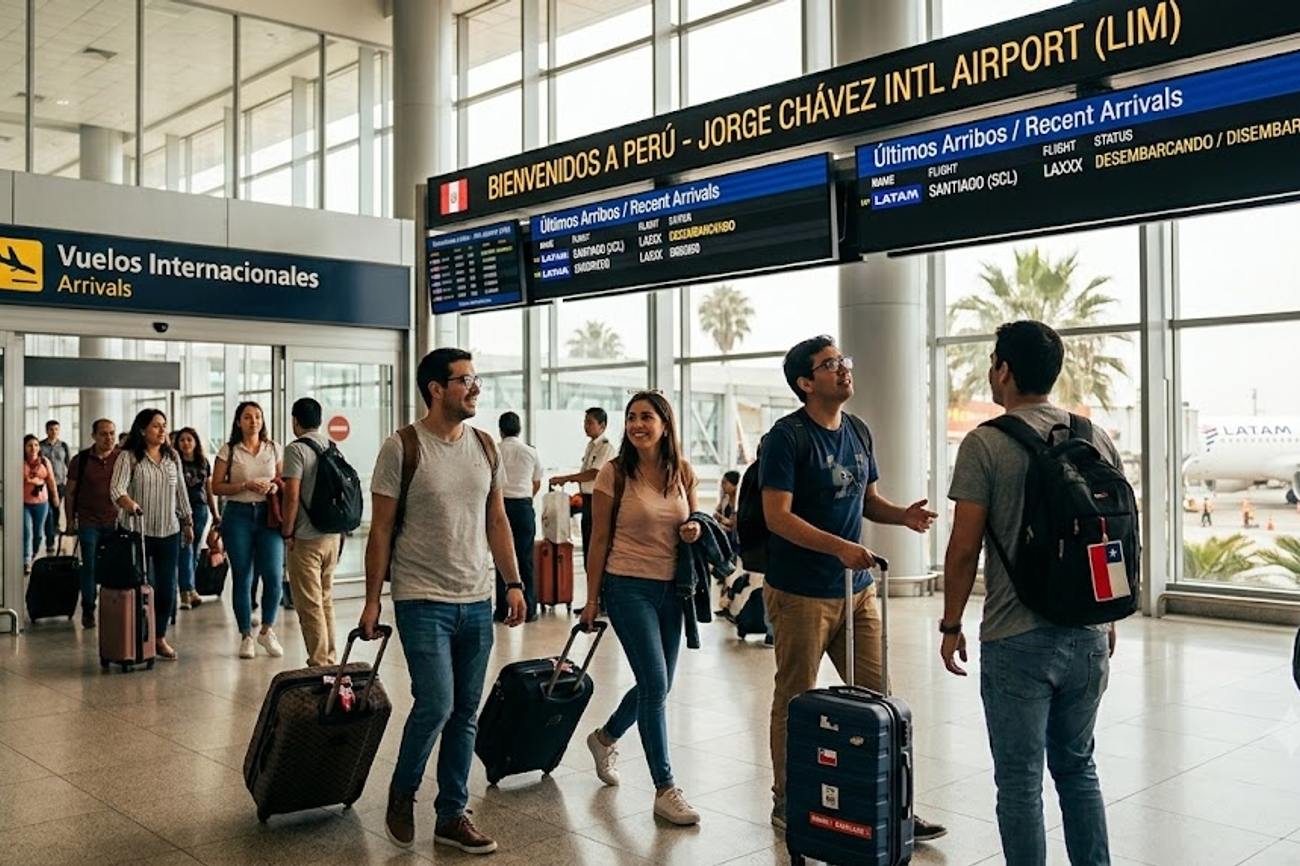
Image generated by AI
For eight consecutive months in 2026, Lima has maintained an unbroken streak of growth in Chilean arrivals, fundamentally decoupling from broader national tourism trends. This surge marks a historic pivot in South American travel; where Chilean visitors once flooded the southern border towns via overland routes, they are now bypassing the Pan-American Highway entirely in favor of the air corridor between Santiago and Lima.
The Great Andean Pivot of 2026
The traditional geography of travel between Chile and Peru is being rewritten in real-time. For decades, the movement of people was defined by the grit and endurance of land crossings—specifically the Santa Rosa Border Control Post in Tacna and the Chacalluta complex in Arica. These hubs were the lifeblood of southern Peru, fueling a regional economy built on medical tourism, retail, and hospitality for Chilean nationals.
However, by late 2026, a structural inversion occurred. The democratization of the skies, driven by the aggressive expansion of low-cost carriers across the Andean region, has made the flight from Arturo Merino Benítez International Airport to Jorge Chávez International Airport the default choice for the modern traveler. This is not merely a change in preference but a shift in economic behavior. As disposable incomes fluctuate, the value of time has eclipsed the cost of the ticket. The result is a streamlined flow of visitors who no longer see Peru as a distant destination requiring a multi-day trek, but as a viable weekend city-break destination.
What Makes Lima Different
Lima has evolved from a mere transit point to a primary destination. While the city has always been the gateway to the Andes, its internal magnetism has grown. The city's allure is now rooted in a sophisticated urban experience that rivals any global capital. Visitors are increasingly drawn to the curated districts of Miraflores and Barranco, where the intersection of colonial architecture and contemporary art creates a unique atmosphere.
The city's global standing as a culinary epicenter is the primary driver for this new wave of Chilean tourists. Rather than spending days in transit to reach the southern territories, travelers are landing in Lima to access world-renowned dining establishments immediately. Furthermore, the city's role as a logistical nerve center is unmatched. From Jorge Chávez International Airport, visitors can pivot instantly toward the Amazon basin, Arequipa, or the high-altitude wonders of Cusco. This efficiency has allowed Lima to outpace regional competitors like Bogotá’s El Dorado in capturing specific bilateral passenger flows, turning the capital into a definitive focal point for trans-Andean movement.
Visitor Insider Tips
To experience Lima through a local lens rather than a tourist map, you must understand the rhythm of the city's distinct zones.
Neighborhood Strategy Base yourself in Barranco if you prefer a bohemian, artistic vibe with cobblestone streets and galleries. For those seeking high-end shopping and ocean-front views, Miraflores is the standard. However, for a more authentic encounter with the city's history, spend an afternoon in the Centro Historico, but do so mid-week to avoid the suffocating weekend crowds.
Timing and Transport The traffic in Lima is legendary and often paralyzing. To avoid the gridlock, use the Metropolitano bus system for north-south transit along the coast, or rely on registered app-based transport. If you are flying into Jorge Chávez International Airport, allow at least two hours for transit to your hotel during peak afternoon hours.
Culinary Etiquette While the "World's Best" restaurants require bookings months in advance, the real soul of Lima is found in the cevicherías that operate primarily during lunch hours. Local etiquette dictates that ceviche is a midday meal; attempting to find a high-quality, authentic cevichería at 9:00 PM is a common tourist mistake.
Regional Connections If you plan to visit the UNESCO World Heritage sites like Machu Picchu, use Lima as a 24-hour staging ground. Book your domestic flight to Cusco for the earliest possible slot to maximize your acclimatization time in the mountains.
Cultural and Environmental Context
The shift from land-based border crossings to air travel has created a complex socio-economic ripple effect. For years, the city of Tacna thrived on the "border economy," where Chilean shoppers provided a massive percentage of the local GDP. The migration of these tourists to Lima represents a centralization of wealth that challenges the sustainability of southern Peruvian provinces.
Environmentally, the surge in aviation puts pressure on the infrastructure of Jorge Chávez International Airport. While recent expansions have mitigated historical bottlenecks, the carbon footprint of thousands of short-haul flights replaces the lower-emission (though slower) bus travel. Peru is currently balancing this economic windfall with the need for sustainable urban growth. The PromPerú initiatives are increasingly focusing on diversifying tourism beyond the capital to ensure that the economic benefits of the Chilean surge are distributed more equitably across the country, preventing the "over-tourism" of Lima's central districts while reviving the stagnant southern corridors.
FAQ: Visiting Peru 2026
What is the best time to visit Lima? The best window is between December and April during the summer months. While this is the rainy season in the Andes, Lima remains relatively dry and temperate, making it ideal for exploring the coastal cliffs and outdoor markets.
How do I get from Santiago to Lima? The most efficient method is a direct flight from Arturo Merino Benítez International Airport to Jorge Chávez International Airport. This flight takes approximately three to four hours, bypassing the lengthy and complex land border crossing at Tacna.
Is Lima safe for solo travelers? Yes, provided you stay in well-traveled areas like Miraflores and Barranco. Use official transport apps rather than hailing taxis on the street, and remain vigilant with your belongings in the crowded Centro Historico.
Do I need a visa to enter Peru from Chile? Most South American citizens and travelers from Western nations can enter Peru for tourism purposes without a visa, though you must present a valid passport. Always check the latest official government requirements before departure.
The road to Peru is no longer a highway; it is a flight path.
Tags: LimaTravel2026, JorgeChavezAirport, PeruChileTourism, AndeanAviation, MirafloresDistrict, SouthAmericaTravel2026
Related Travel Guides
Disclaimer
This article is for informational and educational purposes only. It does not constitute legal, financial, or professional advice. While we strive to provide accurate and up-to-date information, travel policies, regulations, and conditions change rapidly. Always verify information with official sources before making travel decisions. Nomad Lawyer makes no representations about the accuracy, reliability, completeness, or suitability of the information provided. Readers should consult qualified professionals for advice specific to their circumstances. The views expressed in this article are those of the author and do not necessarily reflect the views of Nomad Lawyer.
Kunal K Choudhary
Co-Founder & Contributor
A passionate traveller and tech enthusiast. Kunal contributes to the vision and growth of Nomad Lawyer, bringing fresh perspectives and driving the community forward.
Learn more about our team →