
LGBTQ Travel Safety 2026: Legal Risks and Government Alerts
Official government travel advisories reveal critical legal and social dangers for LGBTQ travelers in 2026. Here's what you must know before booking international trips.

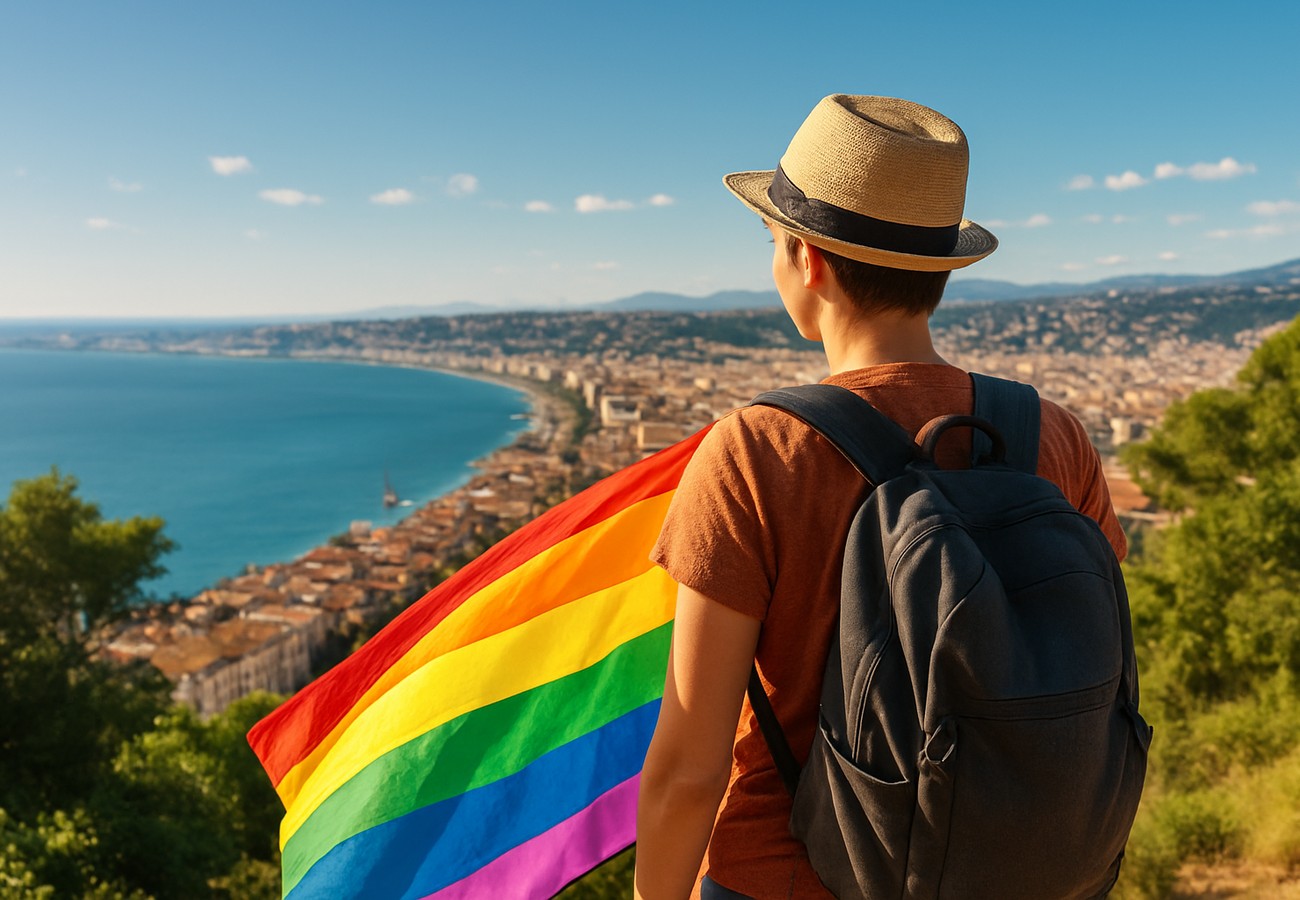
Image generated by AI
The Reality Check: Why 2026 Demands Extra Planning for LGBTQ Travelers
International travel just got more complicated for LGBTQ+ tourists in 2026. Official government travel advisories—from the U.S. Department of State and the UK Foreign, Commonwealth & Development Office—now paint a stark picture: legal protections and social acceptance vary wildly across continents, and in some regions, your identity could trigger criminal prosecution.
The stakes are real. Unlike general tourism guides, these government-backed advisories map out which countries criminalize same-sex relationships, which don't recognize gender identity documentation, and where discrimination goes unchecked. Before you book that dream vacation, you need to understand exactly what legal and social dangers await.
How Government Travel Advisories Actually Work
The State Department Travel Advisory System uses a four-tier risk classification that applies directly to LGBTQ travelers:
- Level 1: Exercise Normal Precautions
- Level 2: Exercise Increased Caution
- Level 3: Reconsider Travel
- Level 4: Do Not Travel
These ratings factor in crime, terrorism, civil unrest—and critically—local laws affecting LGBTQ communities. Every advisory includes a "Local Laws & Customs" section that spells out whether same-sex relationships are criminalized and how gender identity documentation is treated at borders.
Reddit: "I checked the State Department website before my trip to Southeast Asia and found details about local laws I never would've discovered otherwise." — r/travel
The key insight: these aren't suggestions. They're legally-informed risk assessments based on verified intelligence from embassies and on-the-ground sources.
Regional Breakdown: Where LGBTQ Travelers Face Criminal Risk
Sub-Saharan Africa: Criminal Penalties Remain Widespread
Many countries across Sub-Saharan Africa maintain criminal penalties for consensual same-sex conduct. While travel advisories don't catalog every nation's specific laws, they emphasize one critical point: understanding local legal systems is non-negotiable before arrival.
In several African states, LGBTQ relationships can trigger criminal prosecution, even if enforcement is sporadic. Travel advisories recommend deep-diving into local laws and entry requirements before visiting—enforcement can be severe when it does occur.
Middle East and North Africa: Restrictive Legal Climates
Across the Middle East, the legal environment remains restrictive in most countries. Some governments enforce penal codes or morality laws that criminalize public expressions of same-sex relationships and gender diversity. Official travel guidance warns travelers to understand the legal consequences and social norms before departure.
The combination of criminal law and social conservatism creates a compounding risk that no travel insurance can fully protect against.
South Asia: Mixed Legal Status, Conservative Social Attitudes
India presents a nuanced case study:
- India decriminalized consensual same-sex relations in 2018—a landmark victory. Yet the UK travel advice notes that while criminal penalties vanished, social attitudes remain conservative, especially outside major cities like Delhi and Mumbai.
- Public displays of affection can draw unwanted harassment or hostile attention.
- The U.S. State Department rates India as Level 2—Exercise Increased Caution, factoring in broader crime and terrorism concerns alongside cultural conservatism.
The lesson: legal decriminalization doesn't equal social acceptance. Travelers need to prepare for both realities.
Western Europe: The Safety Benchmark
Western European countries rank among the safest destinations for LGBTQ tourism. Nations like Germany, the Netherlands, Spain, and Belgium have anti-discrimination laws, recognized partnerships, and established social acceptance.
UK government travel advice emphasizes this contrast sharply: legal protections and social attitudes in Western Europe differ markedly from other global regions. If you're planning your first LGBTQ-conscious trip abroad, Western Europe sets the standard for what legal safety actually looks like.
United States: State-by-State Variation Creates Confusion
Here's a fact that shocks many international travelers: U.S. federal law recognizes same-sex marriage, but laws affecting LGBTQ people differ drastically from state to state.
Some individual jurisdictions have enacted laws influencing public accommodations, healthcare access, and gender identity recognition. Official advisories recommend checking local laws at the state and municipal levels before travel. A destination legal in one state may present barriers in another.
The Passport Gender Marker Barrier: A Hidden Legal Trap
One often-overlooked legal risk: many countries' immigration systems only recognize binary (M/F) gender markers on passports.
Travelers with alternative passport gender identifiers face potential rejection at borders. Several countries don't accept non-binary or "X" gender markers, creating entry barriers or worse, triggering immigration authorities' scrutiny.
Government advisory: confirm entry requirements with embassies before departure. Some nations won't honor your passport's gender identifier, which creates immediate legal exposure.
Pre-Travel Checklist: Government-Backed Safety Steps
Before you book anything, complete this advisor-recommended sequence:
1. Research Local Laws First
Consult official travel advisories and foreign ministry websites. Understand whether same-sex relationships are legal and what documentation your destination recognizes. The U.S. State Department Travel Advisory database and UK FCDO travel guides provide country-specific legal summaries.
2. Validate Your Passport Gender Recognition
Contact your destination's embassy directly. Confirm whether your passport's gender marker will be accepted at ports of entry. This single step prevents border delays or rejection.
3. Map Social Attitudes Separately from Laws
Legal protection ≠ social acceptance. Even in countries where same-sex relationships are legal, discrimination and harassment occur. Read traveler forums and LGBTQ travel blogs from recent visitors to understand the real social climate.
4. Enroll in Government Alert Programs
The U.S. Smart Traveler Enrollment Program (STEP) provides real-time security alerts during your trip, including alerts relevant to LGBTQ travelers. Similar programs exist in the UK, Canada, and Australia.
The 2026 Planning Strategy: Balance Wanderlust with Legal Reality
LGBTQ travelers in 2026 must embrace a new planning paradigm: official government resources come first, wanderlust comes second.
Start with government travel advisory websites—not travel blogs. Your destination's foreign ministry page, embassies, and verified travel advisories should drive your itinerary decisions. When cultural attitudes and legal environments differ dramatically from your home country, that gap represents real risk.
The travelers who navigate 2026 successfully are those who invest time upfront researching legal frameworks, confirming document acceptance, and understanding social realities. No amount of travel insurance compensates for crossing into legal jeopardy.
Your safety abroad depends on what you know before you leave—not on luck once you arrive.
Related Travel Guides
Disclaimer
This article is for informational and educational purposes only. It does not constitute legal, financial, or professional advice. While we strive to provide accurate and up-to-date information, travel policies, regulations, and conditions change rapidly. Always verify information with official sources before making travel decisions. Nomad Lawyer makes no representations about the accuracy, reliability, completeness, or suitability of the information provided. Readers should consult qualified professionals for advice specific to their circumstances. The views expressed in this article are those of the author and do not necessarily reflect the views of Nomad Lawyer.
Preeti Gunjan
Contributor & Community Manager
A passionate traveller and community builder. Preeti helps grow the Nomad Lawyer community, fostering engagement and bringing the reader experience to life.
Learn more about our team →