
Lebanon Placed Under Strict Do-Not-Travel Advisories
U.S. and Australian governments maintain highest level travel advisories for Lebanon, warning of volatile security and potential Beirut airport closures.

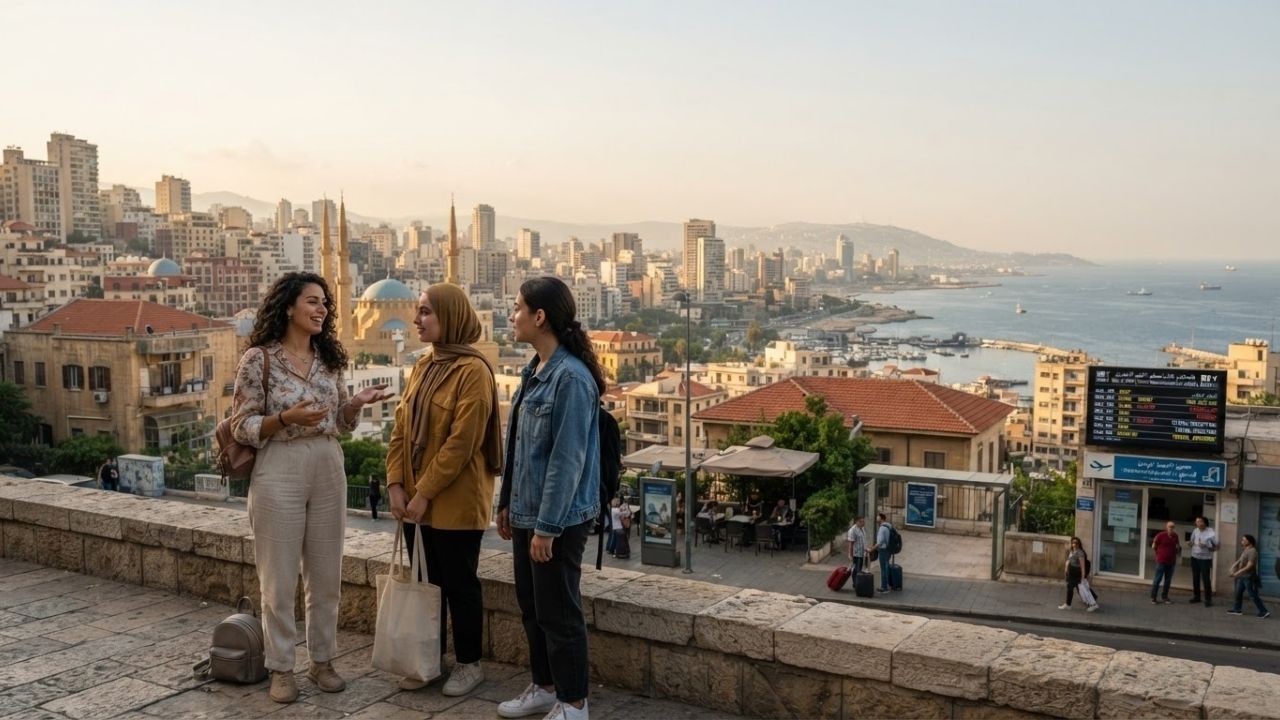
Image generated by AI
The U.S. Department of State and Australia's Smartraveller have issued strict Do-Not-Travel warnings for Lebanon, citing regional security volatility, armed conflict, and sudden airspace closures.
Lebanon Remains Under Highest Travel Warning
Western governments are maintaining their highest warning levels for Lebanon due to ongoing regional volatility, armed conflict, terrorism, and civil unrest. The U.S. Department of State's Level 4 "Do Not Travel" advisory, updated on August 21, 2026, warns travelers against visiting the country due to security threats, kidnapping, landmines, and active hostilities.
Similarly, Australia's Smartraveller website advises citizens to avoid all travel to Lebanon. This warning extends to transit passengers, indicating that travelers should not book itineraries that require changing flights in the country. The unpredictable regional situation means military strikes and reprisal attacks can occur with little notice.
Airspace and Airport Operations in Beirut
Beirut remains Lebanon's primary international gateway, but transit through the capital faces significant operational risks:
- Airspace Status: Lebanon's airspace is subject to sudden closures. Airlines have experienced delays, diversions, and short-notice cancellations at Beirut's international airport.
- Border and Regional Safety: Military activity—including rocket, missile, drone, and airstrikes—has occurred in Beirut, southern Lebanon, and the Bekaa Valley. If violence escalates, routes connecting cities to airports and border crossings can become blocked.
- Departure Windows: Travelers currently in Lebanon are advised to leave while commercial flight options remain available, provided they can reach the airport safely.
Government Travel Advisories for Lebanon (August 2026)
| Government Body / Advisory Portal | Official Advisory Level / Category | Key Security & Operational Warnings |
|---|---|---|
| U.S. Department of State | Level 4: Do Not Travel (Aug 21, 2026) | Armed conflict, kidnapping, terrorism, unrest |
| Australia Smartraveller | Do Not Travel (Includes transits) | Unpredictable security, reprisal strikes |
| Principal Airport | Beirut Rafic Hariri International | Airspace subject to sudden, unannounced closures |
| Conflict Zones | Beirut, Southern Lebanon, Bekaa Valley | Rocket, missile, drone attacks, airstrikes |
| Travel Insurance | Policy exclusions apply | No coverage for Level 4 warning destinations |
| Consular Assistance | Highly restricted / limited | Evacuation assistance cannot be guaranteed |
Critical Constraints: Insurance and Consular Aid
The active government advisories directly affect travel logistics. Standard travel insurance policies typically do not cover destinations under "Do Not Travel" warnings, meaning travelers face full financial liability for medical emergencies or trip cancellations.
Additionally, emergency consular assistance from foreign embassies is highly restricted in Level 4 zones. Diplomatic bodies cannot guarantee evacuation support or security assistance if transit corridors are closed.
Destination Specialist Local Insider Tips
To help travelers currently in the region manage their safety, local specialists recommend the following insider tips:
- Check Flight Status Before Leaving for Beirut Airport: Airspace opens and closes on short notice; always verify your flight status with your airline before traveling.
- Avoid Sites Near Military or Power Infrastructure: Stay away from government, military, or energy installations, which are potential strike targets.
- Purchase Specialist War-Risk Insurance: Standard travel policies will not cover Lebanon; secure specialized war-risk or high-risk destination insurance.
- Keep Identity Documents Handy: Always carry your physical passport and visa documents at all times in case of sudden identity checks.
- Stock Essential Supplies and Medicine: Ensure you have a minimum of two weeks' supply of essential medicines, food, and water on hand.
Future Outlook
Travel conditions in Lebanon remain tied to broader regional security developments. Until official government agencies reduce the warning levels, commercial aviation availability and border crossings will continue to face sudden disruptions, requiring travelers in the region to prioritize security planning and monitor aviation notices.
Related Travel Guides
Disclaimer
This article is for informational and educational purposes only. It does not constitute legal, financial, or professional advice. While we strive to provide accurate and up-to-date information, travel policies, regulations, and conditions change rapidly. Always verify information with official sources before making travel decisions. Nomad Lawyer makes no representations about the accuracy, reliability, completeness, or suitability of the information provided. Readers should consult qualified professionals for advice specific to their circumstances. The views expressed in this article are those of the author and do not necessarily reflect the views of Nomad Lawyer.
Preeti Gunjan
Contributor & Community Manager
A passionate traveller and community builder. Preeti helps grow the Nomad Lawyer community, fostering engagement and bringing the reader experience to life.
Learn more about our team →