
Laos Reveals New Sustainable Tourism Frontiers Across Luang Namtha and Luang Prabang Protected Landscapes
Laos Reveals New Sustainable Tourism Frontiers Across Luang Namtha and Luang Prabang Protected Landscapes

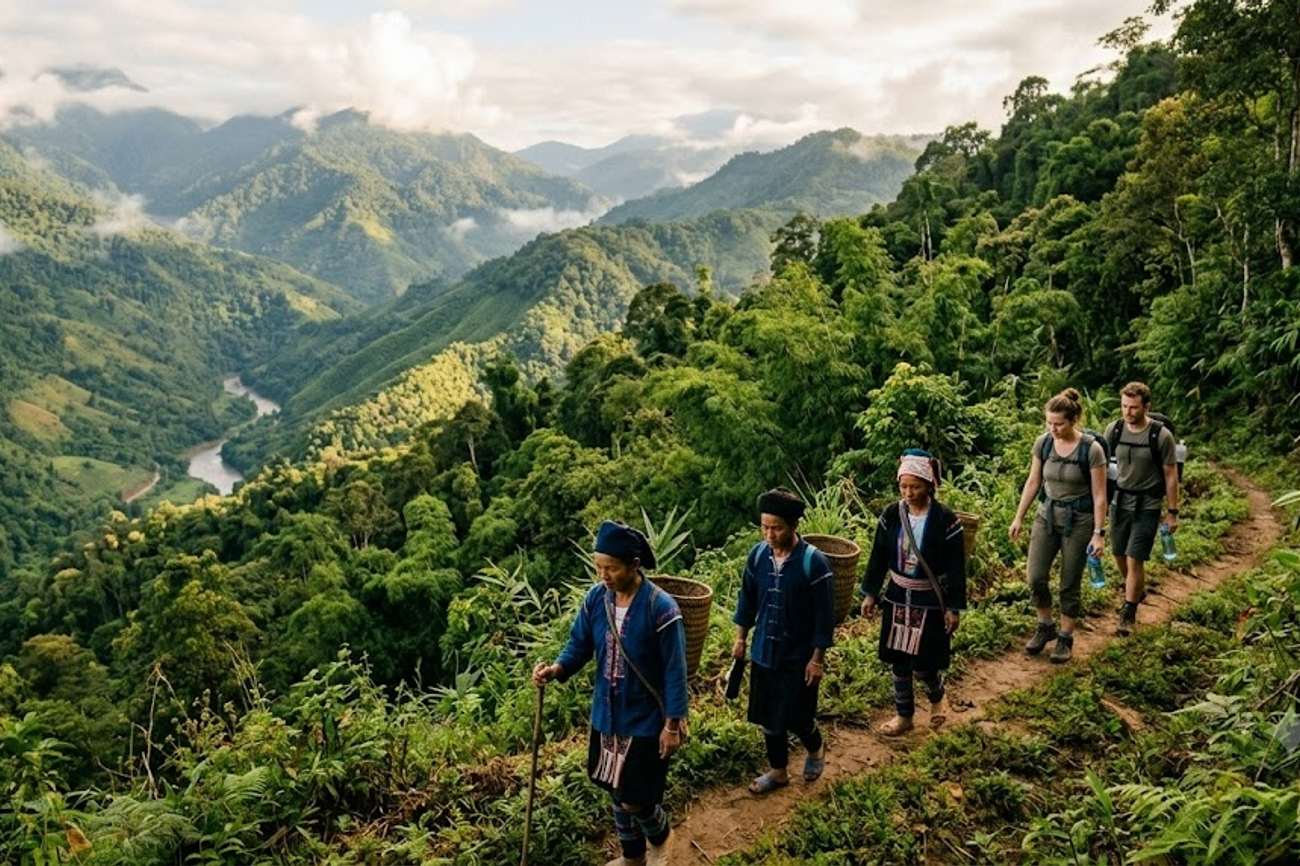
Image generated by AI
[Vientiane, October 2025] — Laos is aggressively pivoting its national tourism strategy toward a rural, low-impact model designed to divert international traffic from urban centers into remote mountain villages and protected conservation zones. The initiative seeks to replace traditional mass-market sightseeing with a value-based ecosystem that integrates biodiversity protection with direct income generation for ethnic minority communities.
The strategic shift centers on northern provinces, specifically Luang Namtha and Luang Prabang, where the government is deploying a "sustainable tourism laboratory" approach. By leveraging the Laos-China Railway and expanding cross-border corridors with Thailand and Vietnam, the Ministry of Information, Culture, and Tourism aims to scale community-based experiences while maintaining strict environmental safeguards.
The Catalyst for Rural Transition
The move is triggered by a global decline in volume-based tourism and a rising demand for "slow travel" and authentic cultural immersion. Lao authorities are responding by transforming remote landscapes from isolated geographic areas into strategic economic assets. Rather than promoting "hidden gems" for short-term visits, the state is building a structured rural tourism ecosystem.
Central to this transition is the Nam Ha National Protected Area. Spanning approximately 244,000 hectares—roughly one-quarter of Luang Namtha Province—this zone serves as the blueprint for the national strategy. The area integrates jungle trekking, kayaking, and mountain biking with mandatory community interaction, ensuring that conservation efforts are funded by visitor expenditures.
Markets and Regions Impacted
The restructuring of the tourism map prioritizes several key hubs and specific visitor demographics:
- Luang Namtha: Now the primary hub for ecotourism. The region focuses on biodiversity zones and ethnic village visits, utilizing its ASEAN heritage recognition to attract high-value, responsible travelers.
- Luang Prabang: Transitioning from a standalone UNESCO heritage site into a "cultural gateway." The city now serves as the primary launch point for multi-day circuits extending into the surrounding mountains and river systems.
- Cross-Border Corridors: New integrated routes are being developed to link Northern Laos with neighboring Vietnam and Thailand, encouraging longer, multi-country itineraries.
- International Tour Operators: Agencies are being encouraged to move away from "short-stay" packages in favor of immersive, multi-region northern routes.
According to data from Tourism Laos, the impact of improved connectivity is already evident; Luang Namtha welcomed nearly 1.3 million visitors in 2025, a surge attributed largely to the efficiency of the new rail links.
Practical Traveler Advisory and Strategic Insights
For the individual traveler or booking agent, this shift represents a fundamental change in how Northern Laos is navigated. The "sightseeing" era—characterized by quick photo stops at landmarks—is being replaced by "experience-based" itineraries.
Practical Impacts:
- Itinerary Length: Travelers should expect and plan for longer stays. The government is actively discouraging "hit-and-run" tourism in favor of multi-day immersions in rural villages.
- Access Points: While Luang Prabang remains the primary entry point, the Laos-China Railway has made Luang Namtha a viable primary destination, reducing the reliance on grueling road journeys.
- Spending Patterns: A higher percentage of costs will be directed toward community-based services and local handicrafts, as the model prioritizes distributing income directly to rural residents rather than centralized hotel chains.
The Lao government has launched new sustainable tourism initiatives across Luang Namtha and Luang Prabang Protected Landscapes, aiming to promote eco-friendly travel practices and support local communities. For more information on these initiatives and to plan your trip, visit the official website of the Lao National Tourism Administration for updates on responsible travel guidelines and tourist attractions. This move is expected to boost the country's tourism sector while preserving its natural and cultural heritage. 4. Activity Shift: Traditional tours are being supplanted by low-impact outdoor adventures, including guided trekking and river-based exploration in protected zones.
The 2026 Strategic Roadmap
Looking toward 2026, the Lao government is implementing a broader national planning framework. This roadmap prioritizes sustainable destination management over raw arrival numbers. Key objectives include the upgrading of rural tourism infrastructure—such as eco-lodges and community centers—without compromising the environmental integrity of protected landscapes.
The government is also strengthening cooperation with regional partners to streamline cross-border travel. The goal is to create a seamless "Northern Circuit" that allows travelers to move between the mountains of Laos and the highlands of Vietnam and Thailand with reduced bureaucratic friction. This regional integration is expected to increase the average length of stay for international tourists in the region.
FAQ: Northern Laos Sustainable Travel 2025-2026
How do I get to Luang Namtha from the main cities? The most efficient method is via the Laos-China Railway, which has significantly reduced travel time and increased the volume of visitors to the province. Local transport from the rail hubs to the Nam Ha National Protected Area is managed through community-based networks.
Is the new rural tourism model more expensive than traditional tours? While these experiences may require longer stays and specialized guides, they are designed as "value-based" rather than "volume-based." Costs typically cover conservation fees and direct payments to village communities rather than large-scale tour operators.
What are the best activities in the Nam Ha National Protected Area? The 244,000-hectare zone is optimized for low-impact adventure. Recommended activities include jungle trekking, kayaking, rafting, and mountain biking, all of which are integrated with visits to ethnic minority villages.
Can I visit Luang Prabang and Luang Namtha in one trip? Yes. The current strategy promotes a "Heritage to Nature" circuit. Travelers typically start with the UNESCO-listed cultural sites of Luang Prabang before heading north to Luang Namtha for immersive nature and community experiences.
The shift from volume to value marks a definitive era of maturity for Lao tourism.
Related Travel Guides
Disclaimer
This article is for informational and educational purposes only. It does not constitute legal, financial, or professional advice. While we strive to provide accurate and up-to-date information, travel policies, regulations, and conditions change rapidly. Always verify information with official sources before making travel decisions. Nomad Lawyer makes no representations about the accuracy, reliability, completeness, or suitability of the information provided. Readers should consult qualified professionals for advice specific to their circumstances. The views expressed in this article are those of the author and do not necessarily reflect the views of Nomad Lawyer.
Kunal K Choudhary
Co-Founder & Contributor
A passionate traveller and tech enthusiast. Kunal contributes to the vision and growth of Nomad Lawyer, bringing fresh perspectives and driving the community forward.
Learn more about our team →