
5 Premier US Architecture Escapes for Labor Day: Frank Lloyd Wright Trails to Art Deco Havens
Discover five design-led Labor Day getaways, from Frank Lloyd Wright masterpieces in Chicago, Fallingwater, and Buffalo to Miami Art Deco and New Orleans heritage.

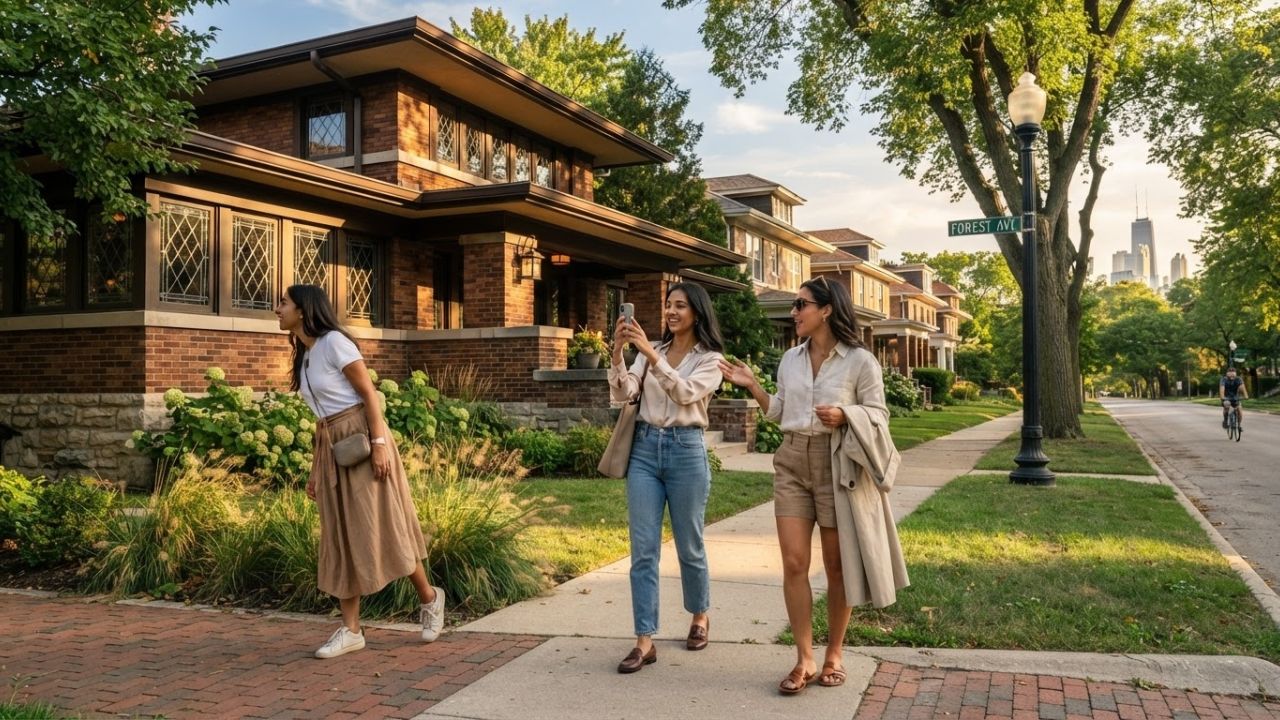
Image generated by AI
Trading crowded beaches and noisy theme parks for America's greatest design landmarks, travelers this Labor Day 2026 are curating cultural getaways centered on Frank Lloyd Wright masterpieces, tropical Art Deco boulevards, and antebellum historic quarters.
The Rise of Architectural and Design-Led Escapes
While traditional holiday road trips frequently revolve around shorelines or commercial shopping districts, a growing movement of cultural travelers is discovering destination stories through built heritage. A historic home, civic temple, or urban skyscraper reveals how communities lived, engineered materials, and imagined the future.
For the Labor Day 2026 holiday weekend, five American regions stand out for design enthusiasts. Spanning UNESCO-inscribed Prairie School landmarks in Illinois and Pennsylvania to the pastel geometry of South Beach and the Creole courtyards of Louisiana, these destinations offer rich historical insight and walkable outdoor exploration.
[Labor Day 2026: 5 Premier US Architectural Circuits]
• Chicago & Oak Park, IL:   World's densest Frank Lloyd Wright cluster & Unity Temple
• Laurel Highlands, PA:     Fallingwater cantilevered over Bear Run (90 mins from Pittsburgh)
• Buffalo & Lake Erie, NY:  Darwin D. Martin House Complex & Graycliff Summer Estate
• Miami Beach, FL:          Art Deco Historic District & Ocean Drive preservation walks
• New Orleans, LA:          French Quarter, Garden District, & 1831 Hermann-Grima House
| Destination | Primary Architectural Focus | Anchor Landmark | Key Experience Highlight |
|---|---|---|---|
| Chicago & Oak Park, IL | Prairie School & Early Modernism | Unity Temple & Robie House | Walkable residential studio enclave |
| Laurel Highlands, PA | Organic Architecture | Fallingwater (Bear Run) | Cantilevered terraces anchored over waterfalls |
| Buffalo, New York | Industrial Gilded Age & Wright Estates | Darwin D. Martin House Complex | Restored art glass, pergola, & Lake Erie retreat |
| Miami Beach, Florida | Tropical Art Deco & Streamline Moderne | Ocean Drive Historic District | MDPL morning preservation walking tours |
| New Orleans, Louisiana | Creole, Federal, & Greek Revival | Hermann-Grima House (1831) | Intact open-hearth kitchen & urban quarters |
1. Chicago and Oak Park, Illinois: The Frank Lloyd Wright Epicenter
Chicago and its adjacent western suburb, Oak Park, form the spiritual core of American residential design. Oak Park possesses the world’s largest single concentration of structures designed by Frank Lloyd Wright, turning the tree-lined avenues into an authentic open-air gallery.
The journey centers on three monumental landmarks:
- Frank Lloyd Wright Home and Studio: Wright’s early architectural laboratory where he tested cantilevered roofs, open interior plans, and geometric art glass windows, revolutionizing American domestic spaces between 1889 and 1909.
- Unity Temple: Constructed between 1905 and 1908 from exposed reinforced concrete, this UNESCO World Heritage Site showcases Wright’s mastery of skylights, acoustic geometry, and communal warmth.
- The Robie House and Loop Skyscraper Corridor: Within Chicago's Hyde Park neighborhood, the Frederick C. Robie House defines Prairie architecture. In the central Loop, travelers can step inside The Rookery to admire Wright’s 1905 light court redesign within Burnham and Root's historic tower.
2. Pittsburgh and the Laurel Highlands, Pennsylvania: Fallingwater
Situated in the Laurel Highlands roughly 90 minutes southeast of downtown Pittsburgh, Fallingwater stands as one of the world's supreme achievements in organic architecture. Commissioned in 1935 by department store magnate Edgar J. Kaufmann, Wright boldly anchored the residence directly over a 30-foot waterfall on Bear Run.
Rather than positioning the home with a static view of the stream, Wright integrated the residence into the surrounding sandstone ledges, rhododendron thickets, and rushing cascades:
- Reinforced Concrete Cantilevers: Long exterior terraces hover weightlessly over the ravine, dissolving the barrier between indoor domestic life and the wilderness.
- Native Sandstone Masonry: Local quarry stone forms the vertical core of the structure, echoing the natural rock strata of the Pennsylvania forest.
- Booking Advisory: Administered by the Western Pennsylvania Conservancy, timed interior and grounds tour tickets for the Labor Day holiday window routinely sell out weeks in advance. Secure reservations online well before traveling.
3. Buffalo, New York: The Restored Gilded Age Wright Heritage
For architecture enthusiasts seeking a less congested alternative to Midwestern circuits, Buffalo delivers exceptional depth. At the turn of the 20th century, Buffalo was one of the wealthiest industrial centers in North America, attracting major commissions from visionary designers.
The crown jewel of Buffalo's design renaissance is the Darwin D. Martin House Complex in the historic Parkside neighborhood:
- An Integrated Residential Compound: Designed between 1903 and 1905, the multi-structure estate features an interconnected main house, pergola, conservatory, and carriage house.
- Art Glass Mastery: The complex houses nearly 400 pieces of iridescent art glass, including Wright's world-famous "Tree of Life" window.
- Graycliff Estate on Lake Erie: Located 20 minutes south in Derby, New York, Graycliff served as the Martin family’s summer retreat, commanding sweeping views over Lake Erie and showcasing stone architecture cooled by coastal breezes.
4. Miami Beach, Florida: Tropical Art Deco and Streamline Moderne
Miami Beach presents an entirely distinct holiday aesthetic, where 1930s seaside escapism meets modernist geometry. Concentrated along Ocean Drive, Collins Avenue, and Washington Avenue, the Miami Beach Art Deco Historic District encompasses the world's densest collection of 1930s resort architecture.
Highlights of the district include:
- Architectural Motifs: Curved corner towers, decorative glass block walls, porthole windows, terrazzo flooring, and stylized nautical bas-reliefs finished in pastel tones.
- Preservation Leadership: The Miami Design Preservation League (MDPL) conducts 90-minute morning walking tours departing from the Art Deco Welcome Center at 1001 Ocean Drive, sharing how community advocates saved hundreds of historic hotels from demolition in the 1970s.
- Heat Management: Early September in southern Florida brings intense midday sun and high humidity. Schedule outdoor architectural walking circuits for 8:30 AM to 10:30 AM, reserving hot afternoons for air-conditioned museum visits or ocean swims.
5. New Orleans, Louisiana: French, Spanish, and Creole Historic Living
New Orleans offers a layered architectural chronicle that reflects three centuries of French, Spanish, Caribbean, and American cultural cross-pollination.
Key neighborhoods provide contrasting historical perspectives:
- The French Quarter (Vieux Carré): Characterized by Spanish colonial fire-resistant brick masonry, hidden tropical courtyards, and ornamental cast-iron balconies (galleries) imported during the 1850s.
- The Garden District: Famed for expansive Greek Revival and Italianate mansions framed by ancient live oaks and wrought-iron cast fences.
- Tremé and the Historic Cottages: The oldest African American neighborhood in the United States, celebrated for colorful Creole cottages and double-shotgun homes that housed free people of color and jazz pioneers.
- Hermann-Grima House (1831): Located at 820 St. Louis Street in the French Quarter, this preserved Federal-style residence includes an intact open-hearth kitchen and urban slave quarters, offering visitors an unvarnished examination of the enslaved women and men whose labor maintained 19th-century New Orleans estates.
Local Insider Tips for Architectural Travelers
- Ride Transit to Oak Park: Avoid highway congestion and parking constraints when visiting Oak Park from downtown Chicago. Board the CTA Green Line 'L' train directly to the Oak Park Avenue station, placing you within a pleasant 10-minute walk of Wright’s Home and Studio.
- Experience Chicago from the Water: Complement walking tours with the official Chicago Architecture Center (CAC) River Cruise aboard Chicago’s First Lady. Certified docents interpret over 50 historic skyscrapers along the Main, North, and South branches of the Chicago River.
- Wear Soft-Soled Walking Shoes: Historic properties such as Fallingwater, the Robie House, and the Martin House enforce strict footwear policies to protect historic cork and oak flooring. High-heeled shoes, spiked soles, and bulky backpacks are strictly prohibited inside.
- Sample Neighborhood Comfort Dishes:
- In Chicago: Enjoy a slow-simmered, deep-dish pizza or an authentic giardiniera-topped Italian beef sandwich in River North.
- In Buffalo: Seek out a traditional roast beef on weck (a salted caraway-seed kimmelweck roll) served with pungent horseradish at an old-school tavern.
- In New Orleans: Stop by an iconic French Quarter counter for hot chicory coffee and warm powdered-sugar beignets.
Tourism Outlook: Preserving Built Heritage Through Cultural Travel
Historic architecture tourism generates sustainable, high-yield revenue for local communities without requiring new environmental construction. By directing visitor spending toward non-profit conservancies, restoration trusts, and neighborhood preservation leagues, travelers help ensure that America's architectural milestones remain protected, interpreted, and inspiring for future generations.
Frequently Asked Questions
Which Frank Lloyd Wright sites are UNESCO World Heritage Sites?
The UNESCO inscription The 20th-Century Architecture of Frank Lloyd Wright includes eight properties, notably Unity Temple in Oak Park, the Frederick C. Robie House in Chicago, and Fallingwater in Mill Run, Pennsylvania.
How far is Fallingwater from downtown Pittsburgh?
Fallingwater is located in the Laurel Highlands approximately 90 minutes (about 70 miles / 112 km) southeast of downtown Pittsburgh via PA-51 and Route 381.
What is the Darwin D. Martin House in Buffalo known for?
Designed by Frank Lloyd Wright between 1903 and 1905, the Darwin D. Martin House is considered one of his finest Prairie School residential complexes, famous for open floor plans, integrated built-in cabinetry, and nearly 400 art glass panels.
What is the best time of day to take an Art Deco walking tour in Miami Beach?
Early morning (between 8:30 AM and 10:30 AM) is the optimal window to explore Miami Beach’s Art Deco district on foot to avoid intense midday heat and afternoon humidity.
What makes the Hermann-Grima House in New Orleans unique?
Constructed in 1831 in the French Quarter, the Hermann-Grima House features a rare intact open-hearth kitchen and original urban slave quarters, providing an educational look into the daily realities of enslaved domestic workers in 19th-century New Orleans.
Related Travel Guides
Disclaimer
This article is for informational and educational purposes only. It does not constitute legal, financial, or professional advice. While we strive to provide accurate and up-to-date information, travel policies, regulations, and conditions change rapidly. Always verify information with official sources before making travel decisions. Nomad Lawyer makes no representations about the accuracy, reliability, completeness, or suitability of the information provided. Readers should consult qualified professionals for advice specific to their circumstances. The views expressed in this article are those of the author and do not necessarily reflect the views of Nomad Lawyer.
Raushan Kumar
Founder & Lead Developer
Full-stack developer with 11+ years of experience and a passionate traveller. Raushan built Nomad Lawyer from the ground up with a vision to create the best travel and law experience on the web.
Learn more about our team →