
Breaking Airline News: Severe Travel Chaos Erupts After Deadly Gulfstream Crash Triggers Complete Lockdown at La Romana Airport
Breaking airline news: Amidst a terrifying era of massive passenger congestion, a deadly private jet crash violently paralyzes La Romana International Airport, igniting severe travel chaos across the Caribbean.

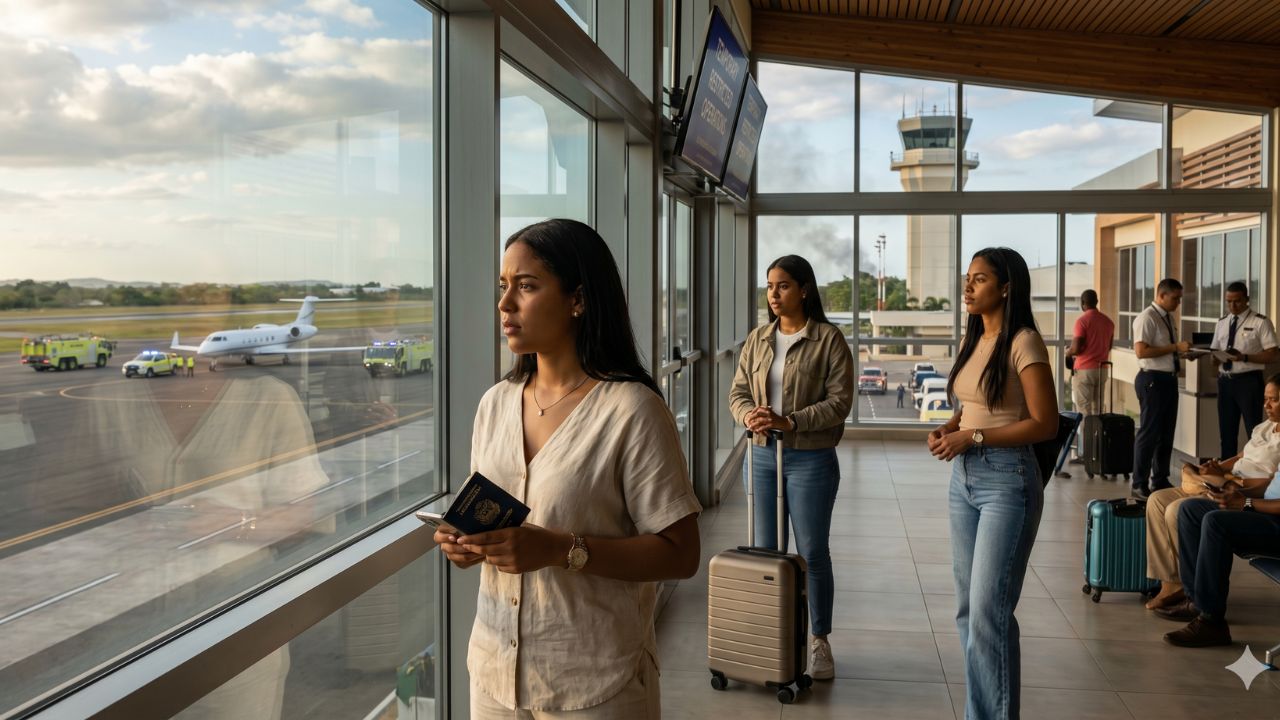
Image representing the intense strategic battle as global aviation authorities desperately attempt to contain severe flight delays and massive travel chaos following a catastrophic runway lockdown.
Breaking Airline News: Severe Travel Chaos Erupts After Deadly Gulfstream Crash Triggers Complete Lockdown at La Romana Airport
As paralyzing airport disruptions, highly constrained operational bandwidth, and severe international air traffic control gridlock violently sweep through the global aviation network, a catastrophic safety incident has completely severed a critical Caribbean transit artery. In a devastating blow to regional connectivity and commercial flight schedules, La Romana International Airport in the Dominican Republic suffered a massive operational collapse on Sunday, 7 June 2026, following a deadly aircraft crash. The terrifying explosion of a United States-registered Gulfstream G200 executive jet during an aborted emergency landing tragically claimed the lives of both crew members and instantly forced airport authorities to execute a complete runway lockdown. This sudden, violent airspace closure violently plunged thousands of desperate commercial travelers into an inescapable web of severe travel chaos, triggering immediate flight diversions, massive delays, and heavily disrupting the vital Caribbean tourism corridor.
In a harrowing display of modern aviation fragility, a standard departure sequence rapidly devolved into a high-stress, fatal emergency scenario. Operating within a highly synchronized international network, the Gulfstream G200 Galaxy declared a catastrophic mid-flight emergency shortly after taking off for Austin, Texas. Forced to attempt a desperate return to La Romana under severe technical distress, the aircraft suffered a fatal loss of control upon touchdown, skidding violently off the active runway before erupting into flames. While no commercial passengers were onboard the executive jet, the resulting inferno and massive debris field instantly paralyzed the entire commercial airport. With ground operations actively failing to clear the massive backlog of incoming flights, furious passengers on diverted commercial airlines are left trapped inside overflowing regional terminals, completely without immediate rebooking options as the severe travel chaos aggressively escalates.
Expanded Overview: The Massive Scale of the Contagion
The terrifying crisis currently gripping the Dominican Republic transit network brutally exposes the highly interconnected, and incredibly fragile, nature of international air travel. When a strategically vital hub like La Romana experiences a severe operational meltdown and a complete runway closure, the cascading effects on the secondary Caribbean grid are absolutely devastating. The grounded and diverted commercial aircraft actively paralyze the entire regional fleet, aggressively strangling both the domestic economy and vital international tourism sectors. The operational crossfire violently paralyzed routes stretching across the Caribbean Sea, proving that heavily loaded commercial passenger jets are entirely vulnerable to the cascading delays triggered by a single executive aviation disaster.
Section-Wise Breakdown: The Operational Collapse
The Gulfstream G200 Catastrophe
The massive incident aggressively centered around the sudden logistical failure of an American-registered executive jet. Operating under the registry N318JF, the Gulfstream G200 suffered a terrifying mechanical breakdown approximately 16 nautical miles southwest of La Romana Airport. The crew immediately aborted the flight to Austin and attempted a high-stakes emergency return. Eyewitness reports confirm the terrifying sequence: upon landing, the heavily fueled aircraft violently skidded off the tarmac and exploded, instantly killing the pilot and co-pilot. This catastrophic event immediately triggered the highest level of emergency protocols, physically blocking the sole runway.
The Operational Paralysis and Runway Lockdown
The terrifying operational shockwaves violently disrupted all commercial flights attempting to reach or depart La Romana. Within minutes of the explosion, airport emergency services deployed massive fire crews and medical personnel, enacting a complete operational lockdown. This absolute restriction of runway access severed the airport from the global network. Nearby commercial flights carrying hundreds of international tourists were aggressively diverted or held in prolonged holding patterns, initiating a massive wave of flight cancellations and delays. The resulting passenger gridlock overwhelmed the terminal, sparking immediate travel chaos as tourists realized their carefully planned itineraries were entirely destroyed.
Aviation Authorities Launch Defense Protocols
Recognizing that prolonged travel chaos destroys passenger psychology and regional tourism revenue, aviation authorities immediately deployed rapid investigation teams. The Instituto Dominicano de Aviación Civil (IDAC) and the Comisión Investigadora de Accidentes de Aviación (CIAA) aggressively locked down the crash site to secure the wreckage, flight communication logs, and technical maintenance history. Because the aircraft held an American registry, U.S. aviation experts are actively joining the strategic defense coalition. Authorities are working relentlessly to clear the debris and restore the runway, fighting desperately to resume normal commercial schedules and end the massive terminal gridlock.
Aviation Incident & Operational Defense Matrix
To fully comprehend the massive logistical and strategic fallout of this La Romana Airport collapse, corporate travel managers and affected commercial passengers must review the exact incident metrics currently paralyzing the Caribbean network. The following matrix provides a granular breakdown of the specific, officially verified flight data that triggered this severe travel chaos.
| Operational Metric | Confirmed Incident Data |
|---|---|
| Aircraft Type | Gulfstream G200 Galaxy |
| Aircraft Registration | N318JF (United States Registry) |
| Flight Origin | La Romana International Airport (Dominican Republic) |
| Scheduled Destination | Austin, Texas (USA) |
| Crew / Passengers | 2 Crew Members Onboard / 0 Passengers |
| Confirmed Fatalities | 2 Fatalities (Pilot and Co-Pilot) |
| Incident Classification | Catastrophic Crash During Emergency Landing |
| Primary Authorities | IDAC (Dominican Civil Aviation Institute) & CIAA |
Passenger Impact: Surviving the Terminal Nightmare
For the thousands of international tourists physically trapped inside heavily congested commercial terminals due to the sudden runway closure, the human cost of this operational emergency is absolutely terrifying. The brutal reality of enduring massive flight delays inflicts intense psychological stress and entirely destroys meticulously planned Caribbean vacations. The disruption caused immediate friction, resulting in severely missed international connections, abandoned hotel reservations, massive financial losses, and entirely ruined travel plans as furious passengers battled to secure alternative flights out of the locked-down airport.
Survival Guide for Stranded Travelers
Travelers desperately navigating this chaos at La Romana International Airport must immediately execute the following survival protocols:
- Monitor Official Aviation Channels: Avoid relying on unverified social media reports regarding the runway status; passengers must relentlessly monitor official updates from their commercial airlines and the IDAC regarding the clearing of the debris field.
- Do Not Panic, Deploy Digital Tools: Avoid aggressively swarming the physical airline desks; immediately utilize your airline's official digital app to execute emergency rebookings if your incoming flight was diverted to an alternative Dominican airport.
- Secure Vouchers Immediately: Commercial passengers delayed extensively by the runway lockdown should aggressively demand meal vouchers and potential hotel accommodations from carrier customer service, keeping meticulous records for future compensation claims.
Industry Analysis: The Fragility of Single-Runway Gateways
From a strategic aviation perspective, the travel turmoil currently decimating the Dominican Republic highlights the terrifying vulnerability of managing highly restricted, single-runway airports during peak operational stress. Industry analysts confirm that when private executive aviation shares critical infrastructure with heavy commercial carriers, a single catastrophic emergency landing can entirely paralyze a nation's tourism flow. The massive commercial failure triggered by this Gulfstream crash proves that major airline networks remain incredibly vulnerable to the operational collapse of smaller, private flights. To prevent the complete destruction of the Caribbean travel sector’s reputation, aviation alliances must aggressively overhaul emergency clearing protocols to rapidly restore runway access following severe incidents.
Conclusion: A Strategic Retreat to Ensure Aviation Survival
As the situation across La Romana International Airport remains highly fluid, the sudden collapse of this primary Dominican travel hub represents a massive warning to international travelers. The staggering delays and flight diversions prove that Caribbean flight schedules remain terrifyingly fragile under unexpected emergency lockdowns. Corporate travel buyers and everyday passengers attempting to navigate this highly unstable era of airport disruptions must maintain extreme flexibility. By acting aggressively to secure alternative travel arrangements through neighboring airports like Punta Cana and relentlessly monitoring real-time data, travelers can successfully survive this unprecedented operational meltdown and escape the severe travel chaos currently paralyzing the region.
Key Takeaways
- Massive Airport Paralysis: La Romana International Airport suffered a catastrophic operational lockdown following the fatal crash of a Gulfstream G200 executive jet.
- Commercial Routes Severed: The runway closure immediately triggered severe travel chaos, forcing massive delays, flight cancellations, and the diversion of incoming commercial passenger jets.
- Tragic Fatalities Confirmed: The American-registered jet (N318JF) suffered severe technical issues mid-flight; both the pilot and co-pilot were killed upon the explosive emergency landing.
- Authorities Aggressively Intervene: The IDAC and CIAA have fully secured the airport to conduct a massive investigation, actively reviewing technical logs to determine the cause of the disaster.
- Traveler Advisory: Commercial passengers must aggressively assert their rebooking rights and prepare for grueling, hours-long waits inside the terminal as operations slowly attempt to recover.
Related Travel Guides
- Transit Expansion: FLY91 Introduces Tirupati Flight Routes
- China Eastern Airlines Deploys Massive AI Air-Rail Booking System to Eradicate Travel Chaos and Shield Passengers From Airport Disruptions: Latest Airline News
- Boeing Stock Slides as Highly Anticipated 200-Jet China Order Falls Short, Threatening Global Fleet Capacity, Future Flight Cancellations, Airport Disruptions, and Passenger Travel Chaos: New Airline News and Aviation Updates
Disclaimer
This article is for informational and educational purposes only. It does not constitute legal, financial, or professional advice. While we strive to provide accurate and up-to-date information, travel policies, regulations, and conditions change rapidly. Always verify information with official sources before making travel decisions. Nomad Lawyer makes no representations about the accuracy, reliability, completeness, or suitability of the information provided. Readers should consult qualified professionals for advice specific to their circumstances. The views expressed in this article are those of the author and do not necessarily reflect the views of Nomad Lawyer.
Kunal K Choudhary
Co-Founder & Contributor
A passionate traveller and tech enthusiast. Kunal contributes to the vision and growth of Nomad Lawyer, bringing fresh perspectives and driving the community forward.
Learn more about our team →