
Nomadic Heritage: South Korea and China Fuel Kyrgyzstan Tourism Growth
Kyrgyzstan is experiencing a tourism boom, driven by mountain adventure demands from South Korea and regional Silk Road rail developments.

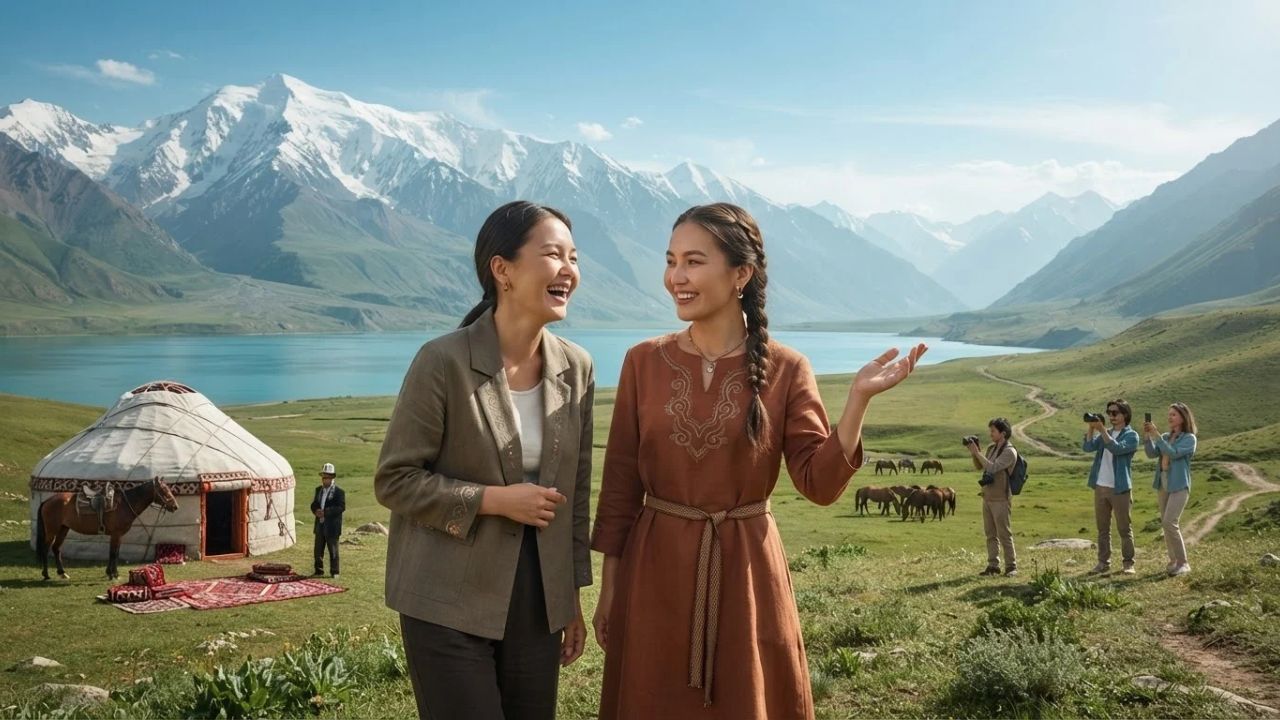
Image generated by AI
Kyrgyzstan is experiencing a tourism boom, driven by mountain adventure demands from South Korea and regional Silk Road rail developments. According to the National Statistical Committee of the Kyrgyz Republic, the country's mountain territory accounts for 90 percent of its land area.
The Rise of Nomadic Heritage and Experiential Travel
A significant trend in Central Asian travel is the transition of rural communities into active destinations for adventure and heritage tourism. Historically, international arrivals in the region were limited to business travel or brief city stopovers. In 2026, global interest in slow travel, wilderness trekking, and traditional lifestyles has prompted tourism boards to rebrand their national identity around nomadic culture.
By promoting community-based yurt stays, horseback riding, and traditional sport events, destinations offer unique options that contrast with standard urban vacations. This model preserves historical practices while creating non-seasonal revenue streams for rural families.
Mountain Infrastructure and Key Regional Destinations
Kyrgyzstan's high-altitude terrain forms the basis of its outdoor recreation sector:
- Mountain Land Area: Over 90 percent of the nation's territory consists of mountain ranges, primarily the Tien-Shan system.
- Lake Issyk-Kul: Operates as the country's primary leisure and water-recreation hub, attracting regional tourists from neighboring states.
- Osh City Corridor: Acts as a major cultural gateway in the south, reflecting historical Silk Road trading connections.
- Railway Project: The upcoming China-Kyrgyzstan-Uzbekistan railway project is expected to improve cross-border passenger and cargo transit.
These assets help the country position itself as a key link on the modern Central Asian travel map.
Partner Markets and Visitor Demographics
Kyrgyzstan's visitor profile is expanding through both long-haul and regional markets:
- South Korea Opportunity: Rising interest from Korean travelers seeking trekking, photography, and high-altitude hiking in the Tien-Shan range.
- Uzbekistan Flows: High volumes of short-haul arrivals driven by shared cultural links, historic Silk Road routes, and family visits.
- Kazakhstan Demand: Consistent leisure travel focused on Lake Issyk-Kul resorts and weekend mountain escapes.
- China Connectivity: Growing market interest supported by infrastructure developments and historical heritage corridors.
This market diversity helps mitigate reliance on single source countries.
Kyrgyzstan Tourism Growth Coordinates
The table below breaks down the key tourist markets, geographic targets, safety assets, and cultural platforms established for the sector:
| Target Source Market | Primary Geographic Focus | Key Outdoor Attractions | Core Cultural Platform | Regional Transit Link | Official Data Source |
|---|---|---|---|---|---|
| South Korea | Tien-Shan mountain range | Trekking & horse riding | Nomadic yurt stays | Central Asia aviation | National Statistical Committee |
| Uzbekistan | Osh city & southern valleys | Silk Road heritage paths | Traditional crafts | Border road networks | Ministry of Culture & Tourism |
| Kazakhstan | Lake Issyk-Kul | Alpine resorts & beaches | Eagle hunting heritage | Short-haul road links | Regional tourism boards |
| China | Cross-border trade routes | High-altitude photography | World Nomad Games (2014) | China-Uzbekistan railway | Silk Road economic corridor |
These coordinates outline the markets, regions, attractions, platforms, transit links, and data sources established for the tourism sector.
Resource Stewardship and Community Development
For the traveler, the benefit of choosing community-run guest houses and family yurts is the direct support of rural economies, ensuring that tourism spending remains within farming valleys. Using organized local guide services during treks prevents trail deterioration and protects high-altitude alpine meadows.
Additionally, participating in low-impact activities like horseback riding and purchasing handicrafts directly from regional cooperatives helps preserve traditional skills. Following waste-reduction guidelines at mountain camps protects Kyrgyzstan's glacier water sources.
For example, you can explore the changing dynamics of Stimulus Launch: Taiwan Unveils Billion-Dollar Repeat Visitor Rewards to see how destinations promote visitor spend. For transit updates, comparing flight scheduling matches other networks, such as Cultural Exchange: Thailand Hosts Nepal Friendship Festival updates. This trend is similar to the tourism growth seen in other destinations, as detailed in our guide on how Utica, New York Emerges as an Affordable Northeast Tourism Hub.
Visitor Insider Tips: Traveling Kyrgyzstan’s Silk Road
If you are planning an itinerary through Kyrgyzstan, keep these practical tips in mind:
- Plan Around the World Nomad Games: If your travel dates match the event, book accommodation months ahead, as the games attract global crowds.
- Stay in a Traditional Yurt: Spend at least two nights in a yurt camp near Song-Kul or Issyk-Kul to experience nomadic hospitality firsthand.
- Hire a Certified Mountain Guide: Ensure your trekking guide is certified by the local mountain association for safety during high-altitude routes.
- Carry Cash (Kyrgyz Som): Keep sufficient local currency in cash, as card payment terminals are unavailable in remote mountain villages.
- Register with Local Forestry Offices: Check trail entry rules and pay national park fees before starting treks in protected forest zones.
Long-Term Outlook for Central Asian Travel
The long-term outlook for transit in Kyrgyzstan is focused on upgrading mountain rescue infrastructure, introducing solar-powered heating at yurt camps, and completing regional rail links to China and Uzbekistan. As demand for nature-based, experiential travel grows, regional authorities will rely on sustainable guidelines to protect fragile high-altitude ecosystems.
By supporting community tourism and preserving nomadic traditions, the travel sector aims to build a reliable destination network.
FAQ
When were the World Nomad Games established?
The World Nomad Games were established in 2014 to celebrate and preserve traditional nomadic sports and cultural practices.
How much of Kyrgyzstan's territory is mountainous?
Over 90 percent of Kyrgyzstan's total land area consists of mountain ranges.
Which lake is the main leisure destination in Kyrgyzstan?
Lake Issyk-Kul is the primary destination for beach holidays and water-based recreation.
What major infrastructure project will connect China with Kyrgyzstan?
The China-Kyrgyzstan-Uzbekistan railway project is scheduled to improve regional connectivity and tourism access.
Stay updated on the regional travel regulations and nomadic heritage guides shaping Central Asian tourism.
Related Travel Guides
Disclaimer
This article is for informational and educational purposes only. It does not constitute legal, financial, or professional advice. While we strive to provide accurate and up-to-date information, travel policies, regulations, and conditions change rapidly. Always verify information with official sources before making travel decisions. Nomad Lawyer makes no representations about the accuracy, reliability, completeness, or suitability of the information provided. Readers should consult qualified professionals for advice specific to their circumstances. The views expressed in this article are those of the author and do not necessarily reflect the views of Nomad Lawyer.
Raushan Kumar
Founder & Lead Developer
Full-stack developer with 11+ years of experience and a passionate traveller. Raushan built Nomad Lawyer from the ground up with a vision to create the best travel and law experience on the web.
Learn more about our team →