
Kyrgyzstan Tourism Booms in 2026 as Nomadic Heritage Meets Digital Revolution Across Central Asian Networks
Kyrgyzstan records major tourism growth in 2026 by combining ancient Silk Road nomadic traditions with digital platforms alongside Uzbekistan, Russia, and key regional partners.

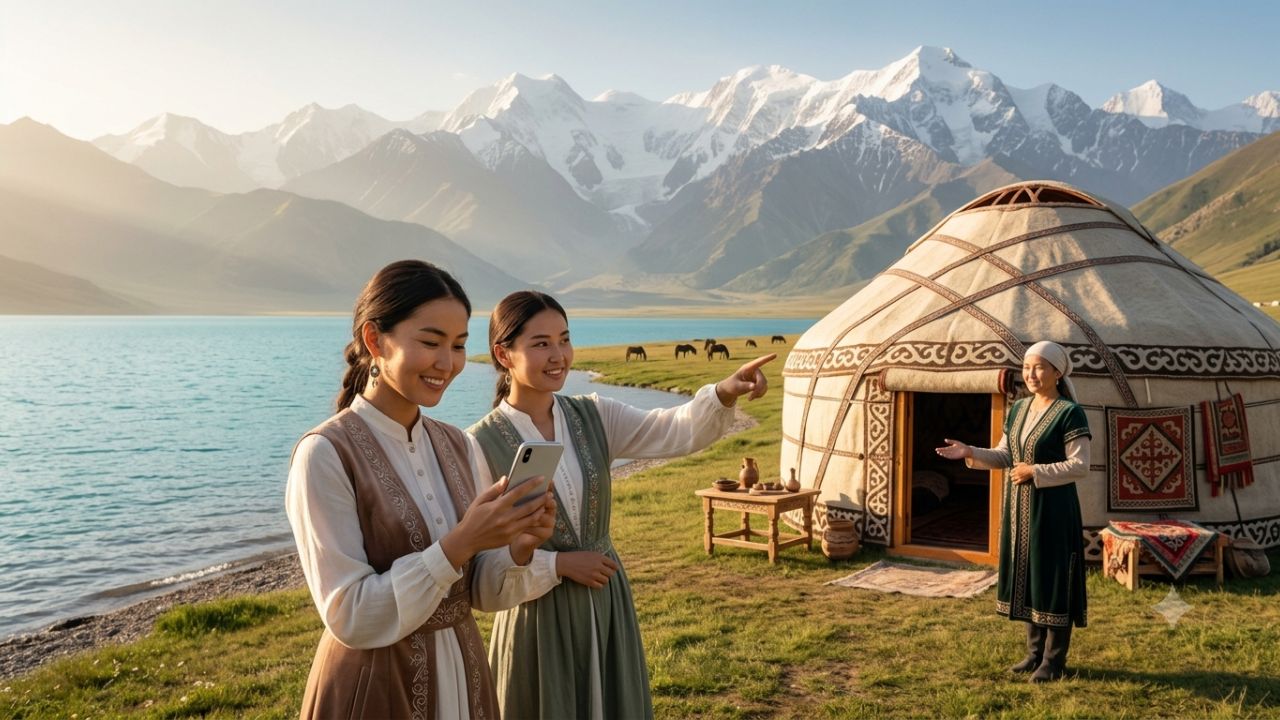
Source Kyrgyzstan Tourism Authority
Kyrgyzstan has achieved record inbound tourism growth in 2026, leveraging a dual strategy that pairs its centuries-old nomadic heritage with modern digital services and expanded cross-border alliances across Central Asia. Backed by key international partnerships with Uzbekistan, Russia, Kazakhstan, China, South Korea, Türkiye, and India, the landlocked nation is transforming from a niche adventure destination into a primary hub for cultural, eco-wellness, and Silk Road travel.
By upgrading its digital visa framework, integrating smart tourism technology, and developing joint multi-country itineraries, Kyrgyzstan provides streamlined access to the high-altitude waters of Lake Issyk-Kul, the Tian Shan mountain range, and authentic yurt-based community homestays.
Pan-Regional Partnerships: Key Source Markets and Growth Drivers
Seven key international partners serve as structural foundations for Kyrgyzstan's 2026 tourism expansion, each supporting specific segments of the travel ecosystem.
| Partner Country | Strategic Partnership Focus | Operational Tourism Impact & Growth Segment |
|---|---|---|
| Uzbekistan | Silk Road heritage circuits & cross-border packages | Dual-country itineraries connecting Samarkand/Bukhara with Issyk-Kul |
| Russia | Seasonal leisure travel, wellness, & family vacations | High-volume resort arrivals at Lake Issyk-Kul & alpine health sanatoriums |
| Kazakhstan | Overland border mobility & short-stay regional trips | Frequent land-border transfers via Korday for weekend mountain breaks |
| China | Infrastructure investment & Silk Road trade corridors | Expanded road/rail connectivity across Torugart & Irkeshtam passes |
| South Korea | Digital tourism platforms & smart destination technology | Integration of e-booking portals, QR visitor maps, & mobile payment tools |
| Türkiye | Turkic cultural exchange & hospitality development | Joint promotional campaigns & hotel management capacity building |
| India | Emerging long-haul adventure & trekking markets | Increased summer arrivals for alpine trekking, filming, & outdoor leisure |
[Bishkek (FRU) Manas Airport Hub] ---> Overland & Highway Transit (A365 / A363) ---> [Lake Issyk-Kul North Shore]
                                                                                             |
            +-----------------------------------------------------------+--------------------+
            |                                                           |
            v                                                           v
[Cholpon-Ata Resort & Petroglyphs]                        [Karakol Outdoor & Alpine Base]
  * Wellness sanatoriums & beach leisure                     * Trekking to Ala-Kul & Jeti-Oguz
Silk Road Synergies: Combining Uzbekistan Culture with Kyrgyz Eco-Adventure
The bilateral tourism axis between Kyrgyzstan and Uzbekistan has created a powerful Central Asian travel product. While Uzbekistan attracts travelers through UNESCO World Heritage Silk Road cities like Samarkand, Bukhara, and Khiva, Kyrgyzstan complements the journey with high-altitude natural scenery and equestrian traditions.
- Combined Itineraries: Tour operators offer 10-to-14-day joint packages allowing international travelers to experience Uzbekistan's Islamic architecture before taking direct flights or overland transfers into Bishkek and Osh for mountain trekking.
- Border Streamlining: Simplified border crossings in the Fergana Valley facilitate multi-city journeys between Tashkent, Fergana, Osh, and Jalal-Abad.
Digital Transformation Meets Nomadic Traditions
A core element of Kyrgyzstan's 2026 strategy is the integration of digital tools with traditional hospitality. Collaborations with South Korea have modernized destination management across major tourism corridors:
- Integrated E-Visa & Digital Portals: The national e-Visa portal allows travelers from over 60 eligible countries to obtain entry visas online within 3 to 5 business days.
- Smart Visitor Infrastructure: Major cultural sites around Cholpon-Ata, Karakol, and Song-Kul features multilingual QR code audio guides, digital trail mapping, and online booking for community-based CBT (Community Based Tourism) homestays.
- Preservation of Nomadic Culture: Traditional events such as eagle hunting demonstrations, horse games (Kok-Boru), and felt manufacturing are cataloged and marketed through digital platforms, ensuring sustainable income for rural pastoralist families.
Practical Traveler Logistics Guide: Access, Transit, and Currency
For international travelers planning a journey across Kyrgyzstan in 2026, essential entry, transit, and currency guidelines include:
1. International Aviation Gateways
- Primary Airport: Manas International Airport (FRU) in Bishkek serves as the primary international gateway, offering direct connections to Istanbul (IST), Dubai (DXB), Tashkent (TAS), Almaty (ALA), Moscow (SVO), and New Delhi (DEL).
- Secondary Airport: Osh International Airport (OSS) serves southern Kyrgyzstan and the Fergana Valley corridor.
2. Visa & Entry Requirements
- Visa-Free Entry: Citizens of over 60 countries (including EU nations, the UK, the US, Canada, Australia, and ASEAN states) enjoy visa-free entry for stays up to 60 days.
- ECOWAS / Asian / South American Travelers: Accessible via the official Kyrgyz e-Visa online portal prior to departure.
3. Regional Transit and Currency Essentials
- Local Currency: Kyrgyzstani Som (KGS). Cash remains essential in rural mountain areas and yurt camps, while credit cards and mobile payments are accepted in Bishkek and major Issyk-Kul hotels.
- Ground Transit: Shared minibuses (marshrutkas) and private long-distance taxis operate between Bishkek, Cholpon-Ata, Karakol, and Naryn.
FAQ: Kyrgyzstan Tourism & Digital Transformation 2026
Which countries are driving inbound tourism growth to Kyrgyzstan in 2026?
Uzbekistan, Russia, Kazakhstan, China, South Korea, Türkiye, and India are leading regional and long-haul visitor growth.
Do international travelers need a visa to visit Kyrgyzstan?
Citizens of over 60 nations receive visa-free entry for up to 60 days. Other travelers can apply through the official online e-Visa system.
What is the best time of year to visit Lake Issyk-Kul and the Tian Shan mountains?
The peak travel window runs from June through September, offering warm temperatures for lake swimming, open mountain passes for trekking, and active yurt camps.
How does Kyrgyzstan combine digital technology with nomadic tourism?
Through South Korean tech partnerships, Kyrgyzstan uses e-visa portals, QR-coded cultural guides, digital trail maps, and online CBT homestay reservation systems.
Related Travel Guides
Disclaimer
This article is for informational and educational purposes only. It does not constitute legal, financial, or professional advice. While we strive to provide accurate and up-to-date information, travel policies, regulations, and conditions change rapidly. Always verify information with official sources before making travel decisions. Nomad Lawyer makes no representations about the accuracy, reliability, completeness, or suitability of the information provided. Readers should consult qualified professionals for advice specific to their circumstances. The views expressed in this article are those of the author and do not necessarily reflect the views of Nomad Lawyer.
Kunal K Choudhary
Co-Founder & Contributor
A passionate traveller and tech enthusiast. Kunal contributes to the vision and growth of Nomad Lawyer, bringing fresh perspectives and driving the community forward.
Learn more about our team →