
Kyrgyzstan Direct US Flights: Utah Talks, Silk Road Routes & Traveler Guide 2026

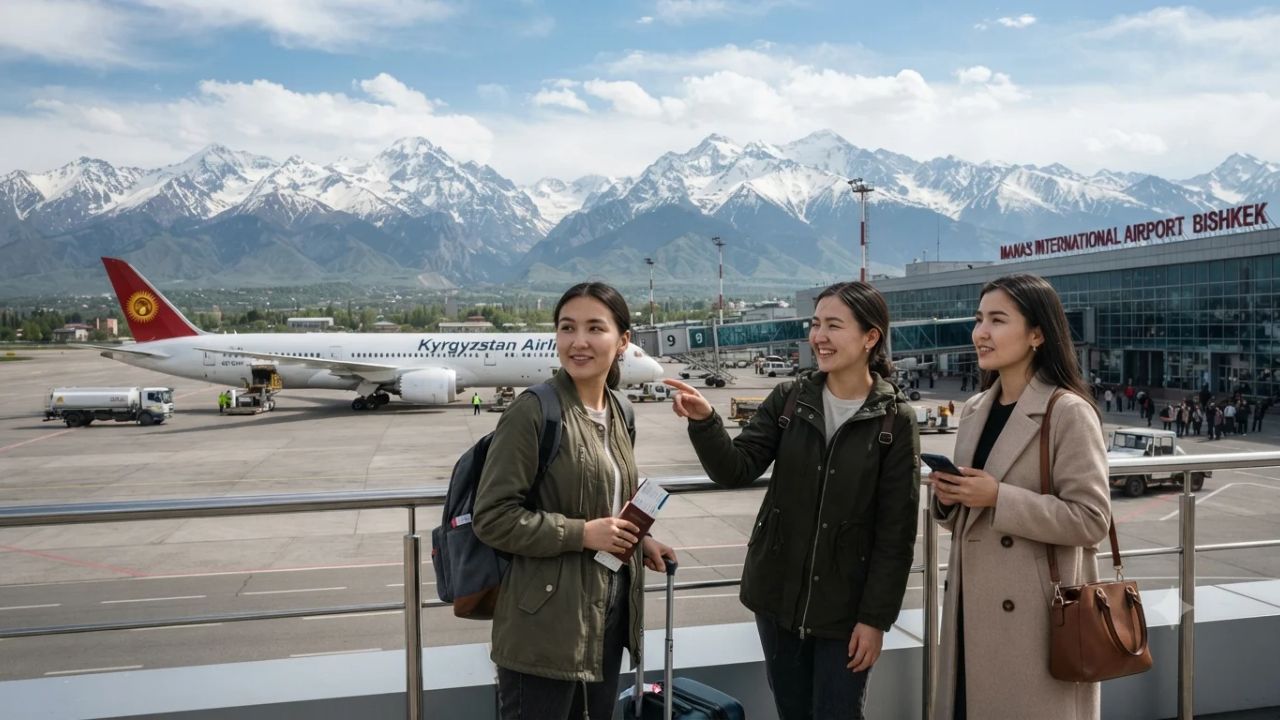
Over ninety-four percent of Kyrgyzstan rises above one thousand meters, yet reaching this high-altitude alpine frontier from North America has historically required multiple exhausting layovers across Istanbul, Dubai, or Seoul. That long-standing logistical barrier took a major step toward dissolution on September 19, 2026, when Kyrgyz President Sadyr Zhaparov met with state leaders at the Utah State Capitol in Salt Lake City to negotiate direct transcontinental air corridors between Central Asia and the United States.
Salt Lake City to Bishkek: Inside Central Asia's Direct Aviation Push
The diplomatic gathering at the Utah State Capitol centered on establishing direct commercial flight pathways connecting American hubs with Bishkek’s Manas International Airport. For decades, Western travelers heading into the heart of the Silk Road navigated complex flight itineraries spanning upwards of twenty-four to thirty hours. A direct connection would dramatically compress flight itineraries, unlocking seamless access for mountaineers, cultural researchers, and adventure travelers.
The aviation initiative reflects broader economic momentum within the Kyrgyz Republic. Between January and August 2026, the country's national economy expanded by 11 percent, propelled by robust performance across mining, regional infrastructure, technology, and service sectors. President Sadyr Zhaparov highlighted that direct air links serve a dual objective: accelerating cross-border capital investment in finance and educational exchanges while establishing sustainable tourism pipelines that channel international visitors into alpine communities.
Utah presents an organic strategic partner for this aviation dialogue. Salt Lake City operates as an established intermountain aviation gateway through Salt Lake City International Airport, serving as a primary hub for outdoor recreation, winter sports, and mountain tourism in North America. Representatives from both regions recognized parallel geographic identities, exploring how shared expertise in backcountry management, winter resort development, and alpine eco-tourism could anchor long-term commercial cooperation.
What Makes Kyrgyzstan Different: Celestial Peaks and Living Nomadic Heritage
Kyrgyzstan is not a destination shaped by passive sightseeing; it is an immersive, high-elevation world where nomadic customs remain an active daily reality rather than museum folklore. The Tien Shan—the legendary "Celestial Mountains"—spans the country from east to west, framing turquoise alpine basins, high mountain pastures (jailoos), and dramatic river gorges.
Unlike regions where heritage has been commercialized into staged performances, Kyrgyz pastoral life flows according to seasonal transhumance. Each summer, semi-nomadic herders move their livestock up to highland meadows, setting up felt yurt encampments (boz ui), milking mares to ferment kumis, and practicing ancient horsemanship traditions.
The country also preserves foundational nodes of medieval world trade. Along the ancient northern branch of the Silk Road, archaeological landmarks such as the eleventh-century Burana Tower and the remote fourteenth-century stone caravanserai of Tash Rabat stand as testaments to centuries of merchant caravans. Multiple Kyrgyz archaeological settlements along these corridors are formally recognized under the UNESCO World Heritage Silk Roads: Chang'an-Tianshan Network, offering travelers an unfiltered connection to ancient global transit history.
Water defines the country's geography alongside rock and ice. Lake Issyk-Kul, the world’s second-largest high-altitude alpine lake, sits cradled between snow-crested ridges at 1,607 meters. Because of its slight salinity and extreme depth, Issyk-Kul never freezes during the harsh Central Asian winter, giving it the local name "Warm Lake." Moving further into the central highlands brings you to Lake Song-Kul, an emerald pasture basin at 3,016 meters accessible only during peak summer, where travelers sleep beneath brilliant, unpolluted night skies in traditional family-run yurts.
Visitor Insider Tips: Navigating the Central Asian Highlands
Traveling across Kyrgyzstan rewards independent spirits who understand local mountain customs, regional transport logistics, and high-elevation realities.
Transport and Transit Hacks
- Master the Marshrutka Network: Long-distance shared minibuses (marshrutkas) depart from Bishkek’s Western Bus Station to regional hubs like Karakol, Balykchy, and Naryn. For maximum comfort on long mountain routes, book seats in shared regional taxis (poputchiki) via local dispatch hubs, which cost only slightly more and cut travel times by a third.
- Self-Drive Requirements: If you plan to rent a four-wheel-drive vehicle to cross highland passes like Tosor or Moldo-Ashuu, verify that your rental company permits remote backcountry transit and provides full-sized dual spare tires and satellite communication units.
- Border Zone Permits: High-altitude treks near the Chinese border (including Inylchek Glacier, Khan Tengri base camp, and parts of the Alay Valley) require a special frontier permit (propusk). Arrange this through local community tourism offices at least three to four weeks before your expedition.
Etiquette and Cultural Norms
- Yurt Protocol: When stepping into a yurt, never step on the wooden threshold (boshogo), which is considered bad luck and disrespectful to the host family. Always remove your boots at the entrance rug and accept tea (chai) poured by the host, who will deliberately fill your bowl (piala) only halfway as a sign of attentive hospitality.
- Bread Reverence: Bread (nan) holds sacred cultural weight. Never place bread upside down on a table or drop crumbs onto the floor. If a host offers a small piece of bread when you enter a home, take a bite; declining is considered impolite.
- Regional Flavors: Savor authentic dishes at local village chaikhanas. Try beshbarmak (hand-pulled noodles with finely shredded boiled horsemeat or lamb in rich broth), lagman (hand-stretched noodles wok-fried with peppers and garlic), ashlan-fu (a sour, spicy cold starch noodle soup unique to the Dungan community of Karakol), and fresh mountain honey gathered from alpine sainfoin blossoms.
Optimal Travel Windows
- High Alpine Trekking (July to Early September): High mountain passes exceeding 3,500 meters are completely clear of winter snowpack, and yurt camps around Lake Song-Kul and Kel-Suu are fully operational.
- Shoulder Season Touring (May to June & September to October): Ideal for exploring the Chui Valley, cultural sites around Bishkek, and lower-elevation trails around southern Issyk-Kul, avoiding summer road traffic.
Cultural and Environmental Context: Community Tourism and Pastoral Stewardship
As Kyrgyzstan expands international connectivity, preserving fragile alpine ecosystems and pastoral traditions remains an urgent priority. The country pioneered Community Based Tourism (CBT) across Central Asia through the official network supported by the Department of Tourism of the Kyrgyz Republic. This model routes travel revenue directly to rural families, yurt hosts, guides, and horse breeders rather than centralized international tour operators.
However, increasing visitor footfall brings environmental responsibilities. High-altitude pastures (jailoos) feature delicate topsoil and slow-growing alpine flora that suffer rapid degradation from off-road vehicle tracks and improper waste disposal. Travelers are urged to utilize established horse trails, pack out all non-biodegradable waste, and respect designated grazing zones.
Nomadic herding communities balance modern economic integration with ancestral ecological wisdom. By staying in community-certified yurts and employing local equestrian guides, travelers directly fund local schools, solar power installations for shepherd families, and wildlife conservation programs protecting endangered snow leopards across the Tian Shan mountain range.
FAQ: Visiting Kyrgyzstan 2026
What is the visa policy for American and European travelers visiting Kyrgyzstan?
Citizens from over sixty nations, including the United States, Canada, and European Union member states, enjoy visa-free entry for tourism stays of up to sixty days upon arrival at international airports.
How do travelers reach Kyrgyzstan prior to direct US flights?
Travelers fly into Bishkek’s Manas International Airport (FRU) via one-stop connections through international transit hubs, including Istanbul (Turkish Airlines, Pegasus), Dubai (flydubai), Doha (Qatar Airways), and Tashkent.
What is the local currency, and are credit cards widely accepted?
The Kyrgyz Som (KGS) is the official currency. Credit cards work in major hotels and restaurants in Bishkek and Osh, but cash is mandatory for rural homestays, transport, and mountain bazaars.
Is Kyrgyzstan safe for solo and adventure travelers?
Kyrgyzstan is one of the safest destinations in Central Asia for solo travelers and hikers. Locals are welcoming, though basic Russian or Kyrgyz phrases greatly assist independent travel in rural areas.
Direct flights between Salt Lake City and Bishkek will bridge two mountain cultures, bringing the ancient Silk Road closer than ever to modern travelers.
Related Travel Guides
Disclaimer
This article is for informational and educational purposes only. It does not constitute legal, financial, or professional advice. While we strive to provide accurate and up-to-date information, travel policies, regulations, and conditions change rapidly. Always verify information with official sources before making travel decisions. Nomad Lawyer makes no representations about the accuracy, reliability, completeness, or suitability of the information provided. Readers should consult qualified professionals for advice specific to their circumstances. The views expressed in this article are those of the author and do not necessarily reflect the views of Nomad Lawyer.
Raushan Kumar
Founder & Lead Developer
Full-stack developer with 11+ years of experience and a passionate traveller. Raushan built Nomad Lawyer from the ground up with a vision to create the best travel and law experience on the web.
Learn more about our team →