
Kyoto Himeji Tourist Fees 2026: Major Tax Hikes Reshape Kansai Travel Costs
Kyoto and Himeji implement dramatic tourism fees in 2026, with Kyoto's accommodation tax reaching 10,000 yen per night for luxury stays and Himeji Castle admission doubling. Here's what travelers need to know.

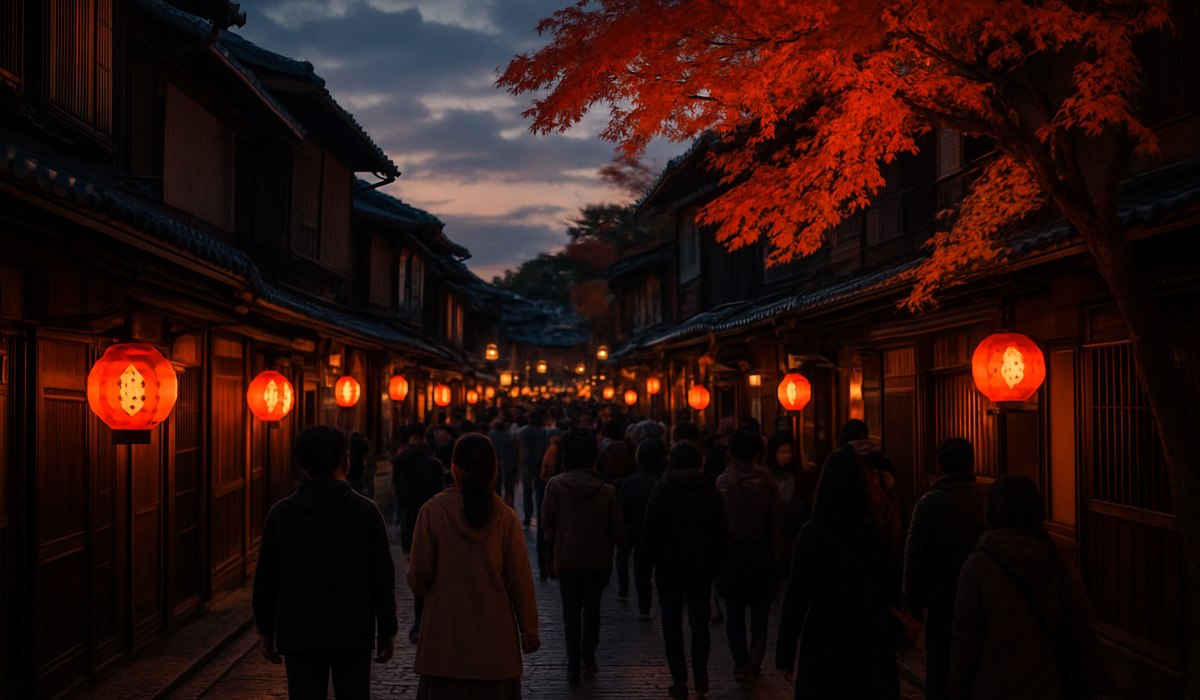
Image generated by AI
Breaking News: Kyoto and Himeji Introduce Steep New Charges in 2026
Kyoto and Himeji are fundamentally reshaping travel expenses across Japan's Kansai region. Starting March 1, 2026, Kyoto's accommodation tax structure scales up dramatically, with luxury hotel stays facing maximum levies of 10,000 yen per night. Simultaneously, Himeji Castle entrance fees have doubled for non-residents, rising from 1,000 yen to 2,500 yen. These changes target overtourism management and local service funding, directly impacting millions of annual visitors to these UNESCO World Heritage destinations.
Kyoto's Accommodation Tax Overhaul: What Travelers Need to Know
Kyoto has approved one of Japan's most aggressive lodging tax increases, fundamentally changing the cost equation for visitors. The new tiered structure, effective March 1, 2026, ties taxation directly to nightly room rates rather than flat fees. Budget accommodation sees modest additions, while mid-range properties face moderate increases. The headline change affects luxury stays, where the kyoto himeji tourist fees 2026 structure imposes a maximum 10,000 yen per-person surcharge.
Previous levies remained minimal—typically a few hundred yen nightly. City officials attribute the overhaul to crowding pressures in districts like Gion and Arashiyama, plus strain on transport and sanitation infrastructure during peak seasons. The revenue targets cultural preservation and visitor management initiatives. Importantly, the tax applies to hotels, ryokan, and most short-term lodging within Kyoto City, though school group accommodations receive exemptions.
Charges are assessed by stay date, not reservation date. Guests who booked before the March 1 implementation will still pay new rates for nights after that date, with collections occurring at check-in or check-out. This means prepaid bookings may show additional line items on final bills.
Tiered Pricing Structure and Maximum Levies
Understanding Kyoto's new accommodation tax requires reviewing the specific bracket system. The tax escalates with room rate categories, creating significant differences between budget and premium options. At entry-level guesthouses costing under 10,000 yen per night, additions remain negligible. However, properties in the 50,000-70,000 yen range face substantially higher percentages.
The 10,000 yen maximum applies exclusively to ultra-premium properties, typically five-star hotels and exclusive ryokan commanding nightly rates exceeding 100,000 yen. For most international visitors staying at mid-range hotels averaging 15,000-30,000 yen nightly, expect tax additions between 200-2,000 yen per night. Travel analysts note this fundamentally changes cost calculations, potentially adding $15-30 USD per night for standard tourist accommodations.
The lodging surcharge structure also factors in per-person assessments rather than per-room charges. Family groups and multi-person bookings face cumulative taxes. A family of four in a standard business hotel might see combined nightly additions of 4,000-8,000 yen, transforming a "budget" trip into a considerably pricier proposition.
Himeji's Fee Additions and Regional Impact
West of Kyoto, Himeji is implementing distinct visitor management strategies centered on its primary attraction. Himeji Castle, a UNESCO World Heritage site and Japan's most intact feudal fortress, has introduced substantial admission increases for non-residents. Standard adult tickets have jumped from 1,000 yen to 2,500 yen, representing a 150% increase. This dual-pricing approach distinguishes between local residents enjoying preserved rates and visitors from elsewhere in Japan and internationally.
The castle administration frames this as necessary heritage maintenance funding. Previous major increases occurred in 2015 following comprehensive restoration work, when fees rose from 600 yen to 1,000 yen. Tourism officials report that revenue supports ongoing preservation, visitor services, and crowd management across the sprawling castle complex.
Regional implications extend beyond Himeji proper. The fee increase may shift visitation patterns across Kansai, as tourists factor accommodation taxes in Kyoto alongside Castle admission costs. Nearby destinations like Osaka, Shiga, and Nara maintain lower local lodging taxes, potentially capturing visitors seeking more affordable alternatives. However, frequent transportation links mean day trips from lower-cost bases remain viable for determined castle visitors.
Planning Ahead: Booking Strategies for 2026 Travel
Savvy travelers should adjust reservation strategies accordingly. The kyoto himeji tourist fees 2026 landscape rewards advance planning and flexible destination choices. Several tactical approaches can mitigate costs. First, consider basing yourself in neighboring prefectures with lower accommodation taxes. Osaka's lodging surcharges remain substantially lighter, and regional train networks enable easy commuting to both Kyoto and Himeji attractions.
For Kyoto stays, evaluate the cost-benefit of budget versus mid-range properties. A week at a modest guesthouse totaling 8,000 yen nightly incurs minimal tax additions, while four nights at a 50,000 yen hotel might add 5,000-8,000 yen per night in surcharges. Extended stays benefit from lower nightly rates at select properties, which proportionally reduce tax exposure per day.
Long-stay apartment rentals and vacation homes may occupy different tax categories than traditional hotels. Some platforms offer properties structured as residential rather than tourist lodging, potentially featuring different surcharge schedules. Confirm tax status directly with property managers before committing.
Group travelers should factor per-person taxation carefully. A family of four facing 1,000 yen per-person nightly additions totals 4,000 yen—equivalent to a budget meal for each family member. Larger groups may find that securing multiple budget rooms presents better value than single large accommodations.
For Himeji Castle specifically, purchase admission tickets through authorized sellers before arriving in Japan. Some international travel packages bundle castle entry, potentially offering rate advantages unavailable to walk-up purchases.
Key Tourism Fee Comparison Table
| Destination | Tax/Fee Type | Previous Rate | New Rate (2026) | Percentage Change | Per-Stay Impact (3 nights) |
|---|---|---|---|---|---|
| Kyoto | Hotel Tax (Budget: <10K yen) | ~100 yen/night | 200-300 yen/night | +100-200% | 600-900 yen |
| Kyoto | Hotel Tax (Mid-range: 30-50K yen) | ~500 yen/night | 1,500-3,000 yen/night | +200-500% | 4,500-9,000 yen |
| Kyoto | Hotel Tax (Luxury: >100K yen) | ~1,000 yen/night | 10,000 yen/night | +900% | 30,000 yen |
| Himeji | Castle Admission (Adult Non-resident) | 1,000 yen | 2,500 yen | +150% | Single visit only |
| Himeji | Castle Admission (Resident) | 400 yen | 400 yen | 0% | No change |
| Regional Context | Osaka Accommodation Tax | Varies by rate | Generally lower | —20% vs. Kyoto | Significant savings |
What This Means for Travelers
These 2026 fee structures create tangible financial implications for Kansai visitors. Here's how to adapt:
- **Budget your accommodation
Disclaimer
This article is for informational and educational purposes only. It does not constitute legal, financial, or professional advice. While we strive to provide accurate and up-to-date information, travel policies, regulations, and conditions change rapidly. Always verify information with official sources before making travel decisions. Nomad Lawyer makes no representations about the accuracy, reliability, completeness, or suitability of the information provided. Readers should consult qualified professionals for advice specific to their circumstances. The views expressed in this article are those of the author and do not necessarily reflect the views of Nomad Lawyer.
Raushan Kumar
Founder & Lead Developer
Full-stack developer with 11+ years of experience and a passionate traveller. Raushan built Nomad Lawyer from the ground up with a vision to create the best travel and law experience on the web.
Learn more about our team →