
Kuwait Expands Coastal Tourism With New Sea Taxi Services Floating Attractions and Marine Experiences
Kuwait Expands Coastal Tourism With New Sea Taxi Services Floating Attractions and Marine Experiences

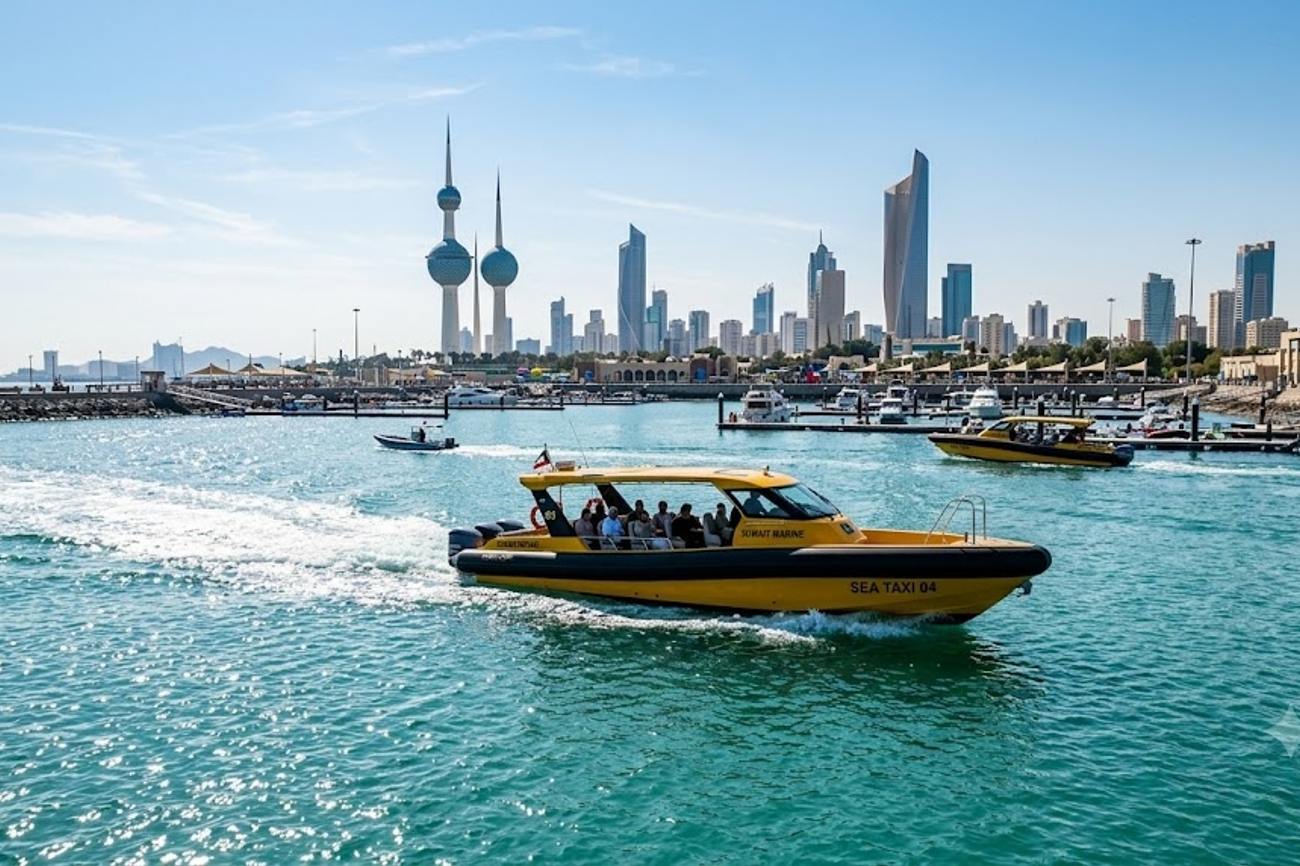
Image generated by AI
[Kuwait City, October 2024] — Kuwait is launching a comprehensive overhaul of its coastal tourism sector through the legalization and integration of sea taxi services and floating recreational attractions. The government has formally expanded its economic activity system to include seven new commercial categories designed to diversify the nation's leisure offerings and reduce reliance on traditional land-based infrastructure.
The initiative is part of a broader strategic shift toward a "blue economy," aiming to leverage Kuwait's waterfront assets to attract higher volumes of international and domestic visitors. By creating a legal framework for maritime business, the state is inviting private investment to develop passenger transport, marine logistics, and water-based entertainment platforms that previously lacked a formal regulatory structure.
The Regulatory Shift in Maritime Commerce
The catalyst for this expansion is a newly approved economic framework that adds seven specific commercial activities to the national business registry. While the primary driver is tourism, the framework also includes industrial and logistics components to ensure the ecosystem is self-sustaining.
Six of the new categories are dedicated specifically to maritime services:
- Sea Taxi Services: This establishes a legal pathway for businesses to operate passenger transport via marine routes, offering an alternative to road congestion for those visiting coastal landmarks.
- Floating Recreational Activities: This enables the development of water-based entertainment platforms and leisure experiences designed for high-volume tourist traffic.
- Marine Exercises and Training: A focus on professionalizing the sector through navigation, boating skills, and safety certification.
- Consumer Order Delivery by Sea: An innovative logistics pivot allowing for the delivery of goods via waterways.
- Marine Area Advertising: The legalization of commercial promotional activities and signage within coastal spaces.
- Marine Repair and Maintenance: The creation of a support network for the upkeep of vessels and maritime equipment.
The seventh activity is an industrial addition: the manufacturing of automated movable shading systems using aluminium and tensioned fabric, designed to protect visitors from the intense Gulf sun.
Affected Travelers, Airlines and Logistics
The rollout of these services impacts several distinct groups within the Kuwaiti economy and the broader travel market.
Kuwait's coastal tourism sector is set to receive a significant boost with the introduction of new sea taxi services, floating attractions, and marine experiences. The Kuwait Tourism Board has announced plans to develop several new tourist destinations along the country's coastline, including the construction of floating hotels and restaurants. These developments are expected to attract a large number of visitors and provide a unique experience for tourists.
| Stakeholder | Impact Area | Primary Benefit |
|---|---|---|
| International Tourists | Transport & Leisure | Access to sea taxis and floating resorts; diversified itinerary options. |
| Domestic Visitors | Weekend Leisure | New waterfront entertainment and reduced road traffic to coastal sites. |
| Private Investors | Business Licensing | Legal ability to launch marine-based startups and transport companies. |
| Maritime Workers | Employment | New demand for certified marine trainers and maintenance technicians. |
| Logistics Firms | Delivery Channels | Ability to bypass road traffic via sea-based consumer delivery. |
Practical Traveler Advisory and Strategic Insights
For those planning a visit to Kuwait, these changes signal a transition from a land-centric tourism model to a more integrated waterfront experience. The most immediate impact will be the introduction of sea taxis. Travelers will no longer be solely dependent on ride-sharing apps or rental cars to navigate the shoreline; instead, they will be able to book marine transport to move between islands and coastal attractions.
The introduction of floating recreational activities suggests the arrival of "pop-up" tourism—temporary or permanent floating platforms that host dining, entertainment, and adventure sports. This effectively expands the usable "real estate" of the coastline without requiring permanent land construction.
Furthermore, the focus on marine training and maintenance indicates that the government is prioritizing safety. Travelers can expect a more professionalized fleet of vessels operated by certified personnel, reducing the risks associated with unregulated boat charters.
Scaling the Blue Economy
The long-term objective is to increase the average length of stay for visitors. By offering a wider array of activities—from sea-based deliveries to specialized marine tours—Kuwait aims to transform its coastline into a destination rather than just a transit point.
The new sea taxi services will operate from several key locations, including the Kuwait Marina and the Dhow Harbour, with passengers able to book tickets online through the Kuwait Ports Authority website. The sea taxis will provide a convenient and scenic way for tourists to travel along the coast, with several routes planned to connect popular tourist destinations. With the expansion of coastal tourism, Kuwait is poised to become a major destination for marine enthusiasts and tourists looking for a unique experience in the Middle East.
The integration of these services is expected to create a synergy between the Kuwait Ministry of Interior (responsible for maritime security) and private tourism operators. As the number of vessels increases, the demand for the newly legalized repair and maintenance services will scale, creating a closed-loop economy where the infrastructure supports the attraction.
Moreover, the move aligns with regional trends seen in other Gulf hubs, where waterfront development is used to diversify the economy away from oil. By formalizing "blue economy" activities, Kuwait is positioning itself to compete for the regional leisure market, offering unique experiences that combine modern transport with natural coastal beauty.
FAQ: Kuwait Coastal Tourism 2024
Will sea taxis be available for all tourists? Yes. The new framework is designed to open passenger transport to the general public, providing a legal and regulated alternative to road transport for visiting coastal destinations and islands.
What are "floating recreational activities"? These are water-based platforms that can host a variety of experiences, including floating restaurants, entertainment hubs, and leisure decks, allowing tourists to enjoy the sea without needing a private vessel.
Are these services currently operational? The government has approved the economic framework and added the activities to the business system. Actual service availability depends on how quickly private companies apply for licenses and launch their operations.
How does this affect safety for visitors? The inclusion of "Marine Exercises and Training" as a legal business activity ensures that there is a formal system for certifying captains and crew, which should improve overall safety standards for tourist transport.
Kuwait is officially trading the highway for the harbor.
Related Travel Guides
Disclaimer
This article is for informational and educational purposes only. It does not constitute legal, financial, or professional advice. While we strive to provide accurate and up-to-date information, travel policies, regulations, and conditions change rapidly. Always verify information with official sources before making travel decisions. Nomad Lawyer makes no representations about the accuracy, reliability, completeness, or suitability of the information provided. Readers should consult qualified professionals for advice specific to their circumstances. The views expressed in this article are those of the author and do not necessarily reflect the views of Nomad Lawyer.
Naina Thakur
Contributor & Travel Specialist
Travel enthusiast and legal writer covering visa regulations, responsible tourism, and cultural journeys across global destinations.
Learn more about our team →