
KLM Boeing 737-800 Makes Emergency Diversion to Denmark After Right Engine Failure and Cabin Smoke
KLM Flight KL1164 diverted safely to Billund Airport after experiencing engine failure and cabin smoke during a Bergen-to-Amsterdam flight. All passengers evacuated without injury.

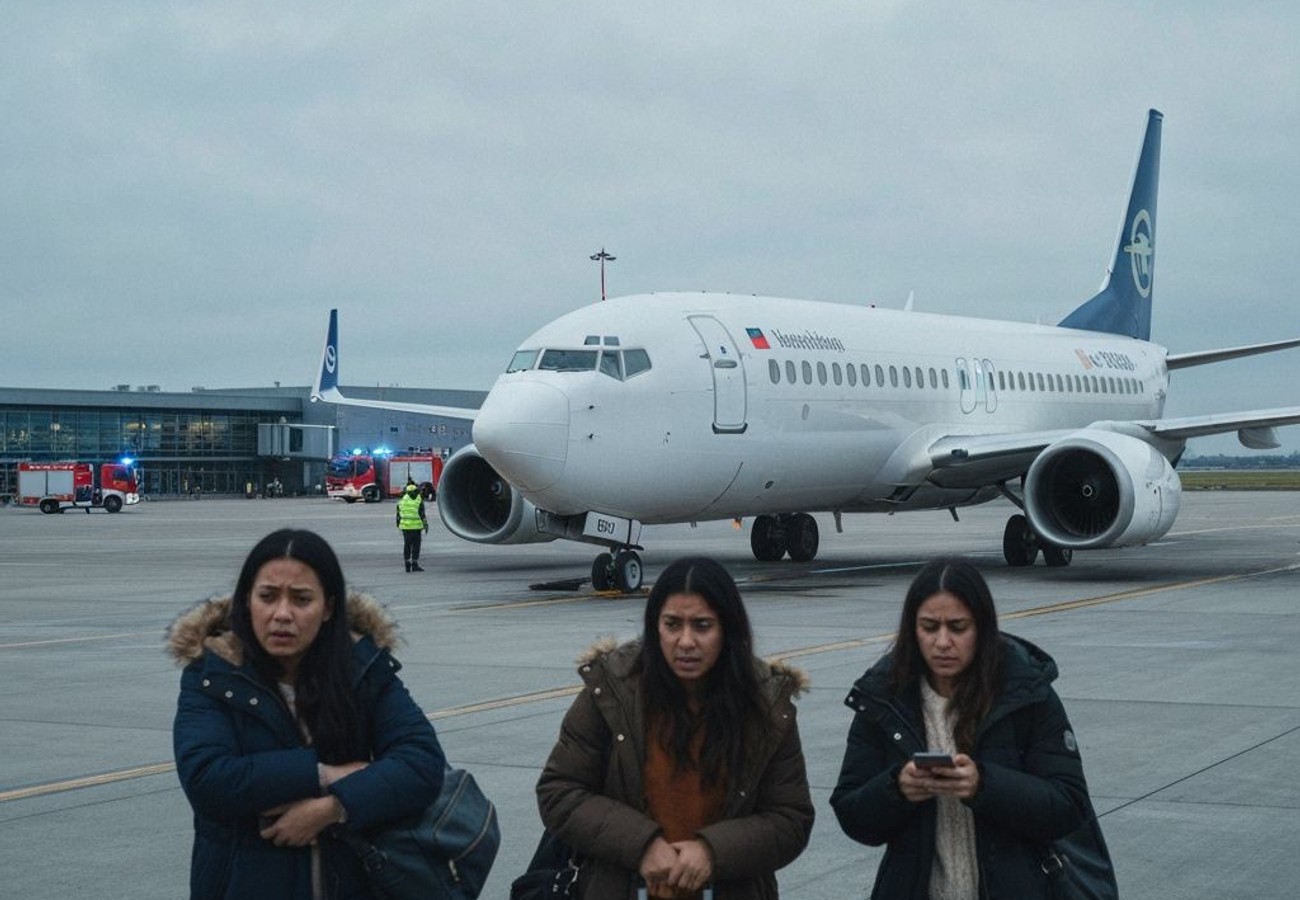
Image generated by AI
Mid-Flight Crisis: How a KLM Boeing 737 Crew Managed Engine Failure at 35,000 Feet
Friday, June 14, 2026 — What began as a routine Friday morning departure from Bergen Airport (BGO) in Norway transformed into a high-stakes aviation emergency when a KLM Boeing 737-800 registered PH-BXY encountered catastrophic engine failure mid-flight. The aircraft, operating as flight KL1164, was bound for Amsterdam Airport Schiphol (AMS) when disaster nearly struck.
The outcome? A textbook emergency response that ended with all 190 passengers and crew safely on the ground. But the story of how this diversion unfolded reveals exactly why modern aviation remains statistically safer than ever.
The First Signs: Loud Bangs and the Smell of Burning Electronics
The trouble started innocuously enough. The Boeing 737-800 had departed Bergen on schedule and was cruising toward Amsterdam when passengers reported hearing two unmistakable loud bangs emanating from the aircraft's right engine.
Within moments, the smell of burning electronics filled the cabin. Several passengers later described the scent as acrid and alarming—the kind of burning smell that immediately triggers panic when you're trapped inside a sealed aluminum tube at cruising altitude.
Cabin crew noticed something worse: visible smoke beginning to seep into the passenger cabin. The atmosphere shifted from routine to tense in seconds flat.
Reddit: "The banging was loud enough to wake me. Then I smelled something like electrical fire. We all knew something was seriously wrong." — r/aviation
The Low Oil Pressure Warning: When Systems Fail
In the cockpit, KL1164's pilots faced multiple warning indicators flashing on their instrument panels simultaneously. The right engine had triggered a critical low oil pressure warning—a signal that the engine's lubrication system was failing catastrophically.
Following established emergency procedures without hesitation, the flight crew immediately shut down the affected engine as a precautionary measure. This decision would prove lifesaving.
The beauty of modern twin-engine aircraft lies in their redundancy. These jets are specifically certified by aviation authorities to maintain full controllability and altitude on a single engine. Loss of one powerplant, while serious, does not automatically endanger the aircraft.
The Diversion Decision: Racing Against Time to Billund
With one engine inoperative and cabin smoke now a confirmed hazard, the pilots needed to reach the nearest suitable airport immediately. Billund Airport (BLL) in Denmark emerged as the optimal choice—close enough to reach safely on one engine, large enough to handle an emergency landing without complications.
The crew declared an emergency with air traffic control. Within minutes, every resource at Billund was mobilized: airport emergency services moved into position, fire trucks staged along the runway, and medical personnel stood ready.
The 737-800 continued its flight on the surviving left engine alone. Passengers gripped armrests as the aircraft descended toward Danish airspace. The normally routine descent became a nail-biting exercise in precision flying.
Landing Without Further Incident: The Moment of Relief
At approximately 10:45 AM local time, KL1164 touched down at Billund Airport in a safe, controlled landing. No emergency systems required deployment. The aircraft taxied normally after touchdown, and all passengers disembarked without incident.
Airport emergency personnel conducted immediate welfare checks. Despite the terrifying ordeal, nobody aboard suffered injuries. Passengers described a tense but professional response from cabin crew throughout the emergency sequence.
"The crew was incredibly calm," one passenger later recalled. "That made all the difference."
Technical Investigation: What Went Wrong Inside the Engine?
KLM immediately removed the aircraft from service and announced a comprehensive technical investigation. Initial findings suggest that internal engine components experienced a catastrophic mechanical failure—the exact nature remains under investigation pending detailed examination.
Specialists will scrutinize engine performance records, warning message sequences, and physical evidence from the damaged powerplant. According to aviation safety databases, engine-related diversions occur approximately once per 10,000 flight hours, making this incident statistically rare but not unprecedented.
The aircraft will undergo complete teardown analysis by maintenance specialists. Every bolt, bearing, and blade will be examined to determine the sequence of failures that led to the bangs and smoke.
Passenger Recovery: KLM's Response Protocol
To minimize disruption, KLM dispatched a replacement Boeing 737 aircraft to Billund to transport affected passengers onward to Amsterdam. The airline provided:
- Meal vouchers for stranded passengers
- Overnight accommodation for travelers requiring it
- Rebooking options on alternative flights
- Real-time communication updates throughout the recovery period
The airline stated via spokesperson that it would not speculate on technical causes until investigators completed their assessment. This cautious approach reflects industry standard practice following serious incidents.
The European Aviation Safety Agency (EASA) requires all EU carriers to maintain strict incident reporting protocols, which KLM, as a Dutch carrier, fully adheres to without exception.
Why This Matters for Airline Safety Standards
This incident, while dramatic, demonstrates exactly how aviation's multi-layered safety systems work in real-world conditions. Redundant engines. Trained pilots. Emergency procedures. Ground support infrastructure.
Each component functioned precisely as designed. The right engine failed catastrophically—a genuine emergency. The system responded flawlessly. Nobody died. Everyone walked away.
That's not luck. That's engineering, training, and protocol working exactly as intended.
The skies remain the safest place to travel—because when systems fail, backup systems take over.
Related Travel Guides
Disclaimer
This article is for informational and educational purposes only. It does not constitute legal, financial, or professional advice. While we strive to provide accurate and up-to-date information, travel policies, regulations, and conditions change rapidly. Always verify information with official sources before making travel decisions. Nomad Lawyer makes no representations about the accuracy, reliability, completeness, or suitability of the information provided. Readers should consult qualified professionals for advice specific to their circumstances. The views expressed in this article are those of the author and do not necessarily reflect the views of Nomad Lawyer.
Preeti Gunjan
Contributor & Community Manager
A passionate traveller and community builder. Preeti helps grow the Nomad Lawyer community, fostering engagement and bringing the reader experience to life.
Learn more about our team →