
Breaking Airline News: KLM Deploys Massive Synthetic Fuel Operation to Shield Passengers from Climate-Induced Travel Chaos
Breaking airline news: Amidst a terrifying era of severe regulatory crackdowns and climate disruptions, KLM Cityhopper aggressively launches a historic synthetic fuel flight from Amsterdam to Hamburg, violently shielding operations from extreme travel chaos.

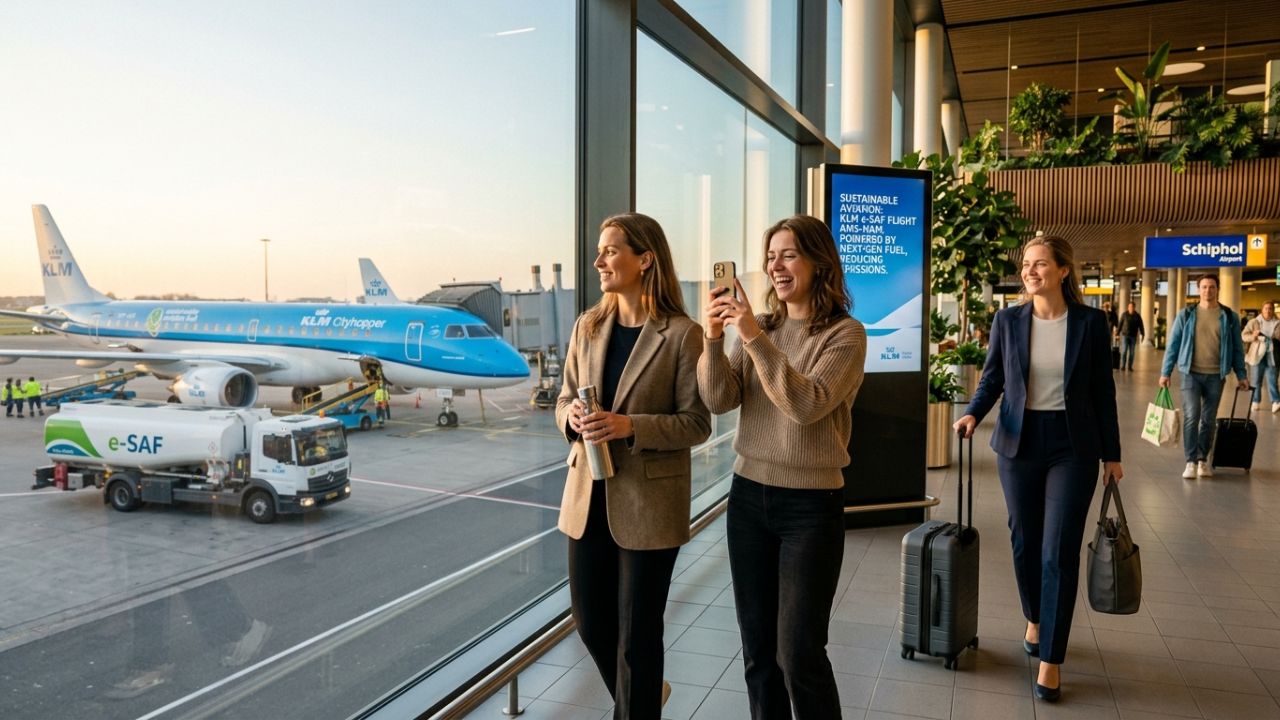
Image representing the intense strategic battle as global aviation authorities desperately deploy massive sustainable fuel technologies to combat severe regulatory friction and bypass paralyzing flight cancellations triggered by extreme climate mandates.
Breaking Airline News: KLM Deploys Massive Synthetic Fuel Operation to Shield Passengers from Climate-Induced Travel Chaos
As paralyzing extreme weather events, terrifying regulatory groundings, and severe operational fragility violently threaten to completely choke highly complex European transit networks, major aviation planners have executed a brilliant high-stakes technological maneuver. In a desperate bid to physically and economically rescue international travelers from the terrifying threat of extreme travel chaos triggered by catastrophic, climate-induced flight cancellations, KLM Cityhopper has aggressively launched a massive sustainable defense strategy. Officially confirming a historic flight from Amsterdam to Hamburg powered by synthetic kerosene, the Dutch carrier is forcefully establishing an entirely new operational paradigm. By eliminating the severe logistical nightmares and massive financial penalties traditionally associated with relying exclusively on highly polluting fossil fuels, this massive deployment of electro-sustainable aviation fuel (e-SAF) allows furious corporate travelers and desperate tourists to completely bypass the threat of regulatory terminal strandings. This operational shift is transforming modern continental logistics, proving that actively deploying advanced chemical fuel blends is the absolute ultimate defense against the agonizing misery historically defining major airport climate bottlenecks.
In a harrowing display of modern aviation vulnerability, the sheer logistical nightmare of attempting to navigate essential European corridors has historically been worsened by the looming threat of environmental gridlock. For years, enduring a standard continental flight meant risking it all on outdated, carbon-heavy infrastructure—staring at departure boards with intense anxiety as rolling delays caused by severe weather anomalies and strict government emission caps virtually guaranteed a catastrophic denial of boarding. However, KLM is aggressively fighting back against this structural paralysis. Recognizing that forcing passengers to rely on airlines heavily targeted by carbon taxation creates a massive, highly stressed captive audience, the airline is introducing a highly resilient, heavily fortified chemical alternative. By rapidly deploying synthetic fuel capabilities directly into its standard scheduled operations, travelers now possess the absolute freedom to physically shield themselves from the devastating effects of paralyzed transport networks, ensuring their critical European itineraries are executed without the threat of climate-mandated cancellations.
Expanded Overview: The Massive Scale of the Chemical Shield
The terrifying crisis of overwhelming passenger stress currently gripping complex intercontinental itineraries brutally exposes the severe limitations of refusing to adapt to modern environmental realities. Recognizing that aggressively forcing travelers onto high-emission flights leads directly to severe psychological friction and rigid, easily broken operational licenses, KLM has fundamentally rewritten its fuel capacity strategy. The sheer scale of this tactical realignment is immense. This historic flight from the Netherlands to Germany officially marks the first commercial use of synthetic kerosene on a passenger service bound for Hamburg. This massive integration acts as a critical pressure release valve for the entire European aviation grid, proving that real-world feasibility exists for greener skies without completely dismantling current airport infrastructure.
Section-Wise Breakdown: The Operational Realignment
Breaking the Emission Gridlock: The Amsterdam-Hamburg Execution
To survive the terrifying surge in global travel demand without triggering immediate regulatory meltdowns at primary hubs, KLM anchored its defense through precise chemical integration. The routine flight violently broke industry norms by lifting off from Amsterdam Schiphol Airport heavily fortified by a fuel mixture where approximately five percent of the total volume was raw synthetic kerosene. This massive operational milestone was achieved through extreme collaboration among KLM Cityhopper, a highly advanced European production technology firm, and Hamburg Airport itself, seamlessly connecting renewable fuel production directly to everyday travel needs.
Shattering the Carbon Bottleneck: The 90% Defense
Looking beyond standard jet A-1 fuel, the program executes a massive logistical defense strategy through advanced chemical engineering. The synthetic kerosene is meticulously crafted through a process that violently combines captured carbon dioxide with hydrogen generated explicitly from renewable energy sources. When successfully blended with conventional jet fuel, this advanced liquid possesses the massive potential to reduce lifecycle carbon emissions by an astounding 90 percent compared to fossil-based kerosene. This makes e-SAF one of the absolute most powerful tools currently deployed to prevent the travel chaos associated with heavy governmental carbon penalties.
Deploying the Infrastructural Shield: The Power-to-Liquid Facility
This massive chemical shift extends deep into the continent's long-term operational survival strategy. The fuel utilized for this extraction emerged directly from a commercial-scale Power-to-Liquid facility—one of the absolute first in Europe. Crucially, this synthetic blend was violently integrated into the aircraft’s existing fuel tanks without requiring any specialized, highly vulnerable modifications to the aerospace systems. Aviation engineers proved that standard airport refueling systems at Schiphol could seamlessly handle the e-SAF, effectively insulating the airline from the massive logistical paralysis that normally accompanies entirely new propulsion technologies.
Securing the Regulatory Corridors: The ReFuelEU Mandate
The deployment of this fuel is not merely an experiment; it is a desperate survival tactic against incoming European law. Integrating e-SAF directly aligns with the highly aggressive ReFuelEU Aviation initiative. This terrifyingly strict regulatory framework legally mandates that progressively larger shares of aviation fuel must comprise sustainable alternatives in the coming decade. By actively leaning into this mandate now, KLM physically shields its operations from future flight bans and ensures uninterrupted connectivity for its passengers.
KLM Synthetic Fuel Defense Matrix
To fully comprehend the massive logistical and strategic fallout of this terrifyingly efficient network execution, corporate travel managers and affected tourists must review the exact operational metrics defining the KLM fuel expansion. The following matrix provides a granular breakdown of the specific, officially verified strategic data driving this massive disruption mitigation effort.
| Operational Network Adjustment | Verified Execution Protocol |
|---|---|
| Operating Carrier | KLM Cityhopper |
| Strategic Direct Route | Amsterdam (Schiphol Airport) to Hamburg |
| Advanced Fuel Technology | Electro-Sustainable Aviation Fuel (e-SAF) |
| Operational Synthetic Blend | Approximately 5% Synthetic Kerosene Volume |
| Projected Carbon Reduction | Over 90% Reduction vs Fossil-Based Kerosene |
| Chemical Production Method | Captured CO₂ Bound With Renewable Hydrogen |
| Production Infrastructure | European Commercial-Scale Power-to-Liquid Facility |
| Regulatory Framework | ReFuelEU Aviation Initiative Mandates |
Passenger Impact: Surviving the Regulatory Jump
For the thousands of global tourists attempting to navigate the rapidly expanding, highly regulated transit corridors across Europe, this massive synthetic fuel deployment represents a highly anticipated lifeline against severe delays. The brutal reality of enduring a terrifyingly sudden cancellation because an airline failed to meet strict emissions quotas inflicts intense psychological stress—leaving the passenger entirely stranded at the terminal. By aggressively booking flights with highly fortified carriers like KLM, passengers drastically reduce their exposure to these terrifying political environments, securing a highly reliable connection that bypasses the domino effect of regulatory travel chaos.
Survival Guide for Transit Travelers
Travelers desperately preparing to navigate the modernized European network must immediately execute the following survival protocols:
- Leverage E-SAF Carriers: Corporate travelers must aggressively prioritize airlines actively deploying e-SAF technology. Carriers relying solely on traditional fossil fuels are highly vulnerable to sudden, severe operational restrictions imposed by European environmental regulators, which directly cause massive flight cancellations.
- Acknowledge Airport Hub Dominance: Utilize heavily fortified hubs like Amsterdam Schiphol that possess the actual physical infrastructure required to blend and pump synthetic kerosene. Airports lacking this capability will quickly become massive operational chokepoints as regulations tighten.
- Anticipate Market Shifts: Understand that the 5% blend is merely the vanguard. As the ReFuelEU mandates violently escalate, the airlines that successfully master this supply chain now will be the absolute only carriers capable of guaranteeing flight schedules in 2030.
Industry Analysis: The Economics of Tactical Decarbonization
From a strategic aviation perspective, the travel turmoil currently threatening global hubs highlights the terrifying vulnerability of airlines refusing to modernize their fuel chains. Industry analysts confirm that deploying synthetic kerosene on commercial flights is a highly aggressive, tactical response to massive political pressure. By utilizing fuel that reduces lifecycle emissions by over 90%, KLM completely avoids the massive financial bleeding associated with purchasing extreme carbon offset credits, effectively shielding the carrier from the economic meltdowns that will soon paralyze legacy airlines clinging to cheap, dirty fuel.
Conclusion: A Strategic Retreat to Ensure Aviation Survival
As the extremely critical European regulatory deadlines accelerate, the massive chemical adjustments executed by KLM represent a massive warning to legacy carriers attempting to force passengers onto highly polluting, legally vulnerable connection schedules. The aggressive maneuvering proves that capturing market dominance requires terrifyingly swift and highly optimized technological deployments, utilizing advanced Power-to-Liquid facilities to connect passengers safely across borders while shielding them from the brutal reality of climate-induced terminal unreliability. For the modern wandering family booking their tickets, utilizing this tactically adjusted airline offers an incredibly secure, highly insulated way to execute flight discovery. By acting aggressively to support e-SAF operations, travelers can successfully survive intense travel surges and completely avoid the paralyzing threat of regulatory travel chaos.
Key Takeaways
- Massive Tactical Bypass: KLM Cityhopper has aggressively executed a historic flight powered by synthetic kerosene (e-SAF) between Amsterdam and Hamburg, violently protecting passengers from future regulatory travel chaos.
- Crushing the Emission Bottleneck: The fuel blend utilized approximately 5% synthetic kerosene volume, proving that existing aerospace systems can handle the fuel without highly disruptive modifications.
- Strategic Chemical Execution: The advanced fuel is crafted by chemically binding captured carbon dioxide with renewable hydrogen, offering a massive 90% reduction in lifecycle carbon emissions.
- Massive Infrastructural Scaling: The synthetic fuel was successfully produced at a commercial-scale Power-to-Liquid facility in Europe and pumped through standard refueling infrastructure at Schiphol Airport.
- Traveler Advisory: Passengers must aggressively target airlines adopting sustainable fuels to entirely bypass the severe groundings and massive ticket price surges that will accompany incoming ReFuelEU Aviation mandates.
Related Travel Guides
- How Airline Consolidations Are Sparking Major Travel Chaos Across the Globe
- Navigating Severe Flight Cancellations: A Passenger's Guide to Surviving Airport Disruptions
- The Ultimate Guide to Beating Airport Congestion During the 2026 Summer Surge
Disclaimer: The fuel blend percentages, production methodologies, and flight operations presented in this article are based on official reporting from KLM available as of June 11, 2026. Aircraft fueling protocols, environmental regulatory mandates, and specific flight schedules are highly dynamic and subject to immediate change based on international aviation safety laws and European Union environmental directives. Passengers are strongly advised to verify their specific flight status and carrier environmental policies directly with KLM before booking.
Kunal K Choudhary
Co-Founder & Contributor
A passionate traveller and tech enthusiast. Kunal contributes to the vision and growth of Nomad Lawyer, bringing fresh perspectives and driving the community forward.
Learn more about our team →