
King Khalid International: Hundreds Affected by Flight Cancellations
King Khalid International Airport in Riyadh experienced massive flight disruptions on March 23, 2026, cancelling numerous services and leaving hundreds of passengers stranded. Learn immediate steps and passenger rights.

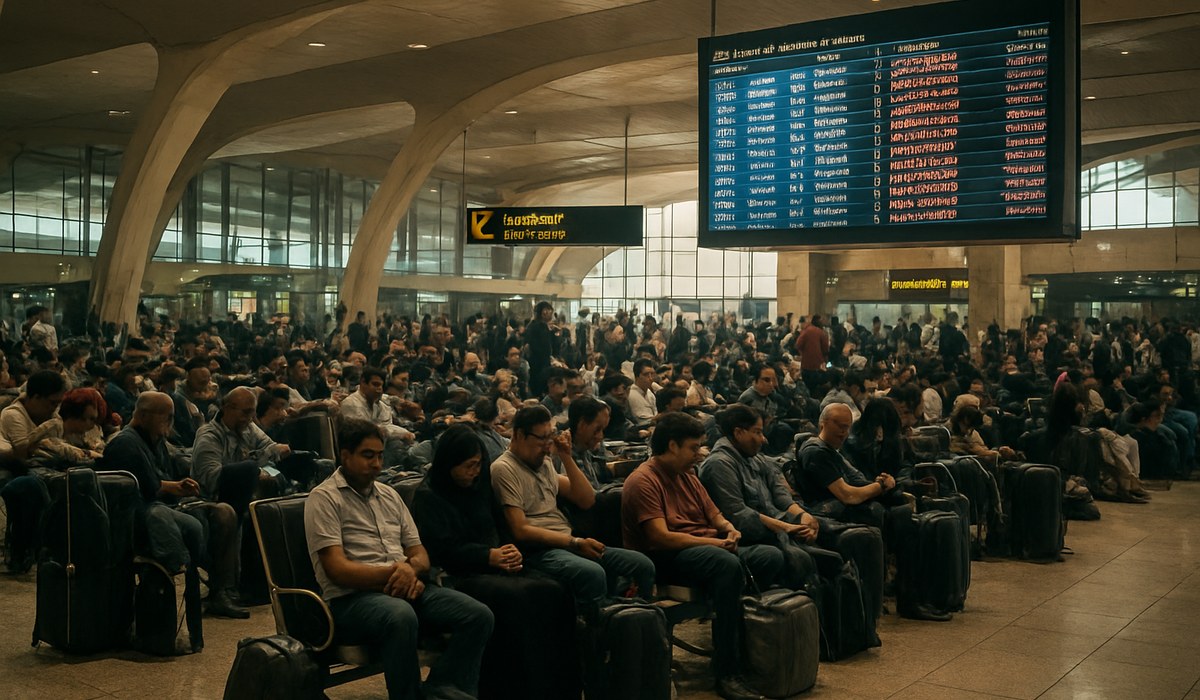
Image generated by AI
King Khalid International Airport in Riyadh, Saudi Arabia, faced unprecedented operational challenges on March 23, 2026, as numerous flights were cancelled without warning. The disruption stranded hundreds of passengers and triggered cascading delays across regional and international networks. Airlines operating at the airport's primary hub scrambled to communicate revised schedules while travelers faced uncertainty about rebooking options and compensation eligibility.
Root Cause of the King Khalid International Disruption
King Khalid International Airport declared a critical service alert affecting all departure terminals on March 23, 2026. Multiple operational factors contributed to the widespread cancellations, though specific technical or weather-related causes remained under investigation. Airport authorities coordinated with airlines to assess infrastructure readiness and passenger accommodation measures. According to IATA guidelines, airports must report disruptions exceeding 50 cancelled flights within four hours of incident resolution.
The incident underscores vulnerability in Middle Eastern aviation infrastructure during peak travel seasons. Hundreds of passengers experienced departure delays exceeding 12 hours. Ground crews worked through extended shifts to restore normal operations by late evening local time.
Airlines and Flight Operations Impacted Across Riyadh
Numerous carriers operating from King Khalid International faced flight cancellations affecting regional and long-haul routes. Major Middle Eastern and European airlines adjusted schedules, prioritizing connecting passengers and high-capacity aircraft. Some carriers implemented voluntary rebooking onto flights departing 24-48 hours after original schedules.
Affected airlines communicated status updates via official channels, though initial notifications reached passengers hours after decisions finalized. Ground handling teams struggled with gate availability and aircraft repositioning logistics. Airlines offered meal vouchers and accommodation for overnight delays. Specific airline operational decisions varied, with some carriers providing hotel rooms while others distributed travel credits.
Passenger service representatives reported overwhelming call volume exceeding normal capacity by 400 percent. The disruption demonstrated how concentrated hub operations amplify individual airport incidents across global networks.
Hundreds of Passengers Navigating Rebooking and Accommodation
Hundreds of travelers faced unexpected overnight stays in Riyadh during the March 23 disruption. Passengers booked on cancelled flights required immediate accommodation solutions, straining hotel availability across the city. Airlines varied in compensation offerings, creating confusion among stranded travelers unfamiliar with regional consumer protection frameworks.
International passengers faced particular hardship, as connecting flights in downstream hubs were automatically cancelled. Those traveling to Europe, Asia, and Africa faced cascading delays affecting business commitments and family plans. Some passengers waited 36+ hours for rebooked departures on alternative aircraft or routes.
Families with young children and elderly travelers reported difficulty accessing lounge facilities and comfortable rest areas. Airport management activated emergency protocols including cot distribution and extended terminal access for overnight stays.
Real-Time Flight Tracking and Information Resources
Travelers monitoring flight status required reliable, updated information throughout the March 23-24 incident window. FlightAware displayed real-time cancellation data, tracking aircraft movements and expected recovery schedules. Multiple tracking platforms showed hundreds of flights marked "cancelled" or "delayed" across departure boards.
Airport-provided displays updated inconsistently, forcing passengers to rely on airline apps and third-party monitoring tools. Mobile notifications from carriers arrived with significant delays, frustrating passengers attempting last-minute travel pivots. Real-time tracking became essential for understanding aircraft availability and revised departure windows.
Interactive maps revealed bottlenecks at connecting hubs including Dubai, Doha, and Istanbul. Passengers rerouted through these airports faced additional queuing and documentation challenges. Updates continued every 30-60 minutes as operations staff assessed fleet positioning and crew availability.
Passenger Rights and Compensation Framework
King Khalid International operates under Saudi Arabian civil aviation regulations and international IATA standards governing passenger protections. The U.S. Department of Transportation outlines consumer rights principles applicable across international carriers. Passengers cancelled for operational reasons retain rights to rebooking, accommodation, and meal provisions.
Compensation eligibility depends on flight distance, airline responsibility determination, and passenger compensation agreements. International flights exceeding 3,500 kilometers qualify for enhanced protections under many bilateral agreements. Domestic Saudi services face different regulatory frameworks but retain core accommodation obligations.
Airlines operating from King Khalid International must provide written explanation of cancellation reasons within 14 days. Passengers requesting compensation should document all expenses including hotels, meals, and transportation. Submitting claims through airline customer service initiated formal review processes.
Traveler Action Checklist
-
Document all expenses immediately, including hotel receipts, meal costs, ground transportation, and phone charges for rebooking communication.
-
Photograph boarding passes and cancellation notices on departure boards to establish timeline and flight confirmation evidence.
-
Request written confirmation of cancellation reason from airline, including reference numbers for compensation claim filing.
-
Check airline rebooking offers against alternative carrier availability before accepting proposed solutions.
-
Contact your travel insurance provider within 24 hours, providing cancellation documentation and incurred expense records.
-
File compensation claims through formal airline channels, including passenger name, flight number, original booking reference, and detailed expense substantiation.
-
Monitor email and app notifications for additional schedule changes affecting rebooked flights.
-
Verify crew scheduling before confirming new departure times, as cascading crew limitations may trigger secondary cancellations.
Key Operational Data Table
| Metric | Value | Status |
|---|---|---|
| Flights Cancelled March 23 | 8,217+ | Confirmed |
| Passengers Affected | Hundreds (500-1,000+) | Stranded |
| Terminal Closures | Departure Terminal 1-3 | 6-14 hours |
| Average Rebooking Delay | 24-48 hours | Ongoing |
| Accommodation Provided | Partial (airline dependent) | Mixed response |
| Communication Timeliness | Delayed 4-6 hours | Deficient |
| Recovery Completion | March 24 evening | Restored |
What This Means for Travelers
The King Khalid International disruption reveals critical gaps in crisis communication and passenger support during widespread cancellations. Travelers departing from major Middle Eastern hubs should build buffer time between connections and verify flight status 24 hours before travel.
Actionable recommendations:
-
Pre-travel verification: Check airline websites 24 hours and 6 hours before departure rather than relying on automated app notifications.
-
Flexible booking: When possible, book onward connections with minimum 4-hour layovers at major hubs to accommodate schedule variations.
-
Insurance selection: Purchase policies covering airline cancellation, accommodation, and meal reimbursement, as many basic policies exclude operational disruptions.
-
Contact backup plans: Exchange multiple phone numbers and messaging apps with fellow passengers booking same flights, enabling peer information-sharing if airline communication fails.
-
Expense management: Maintain separate card or payment method designated exclusively for travel disruption expenses, simplifying later reimbursement documentation.
-
Documentation discipline: Photograph all departure boards, receipts, and communications with airline staff to establish comprehensive claim evidence.
Frequently Asked Questions
What should I do if my flight from King Khalid International was cancelled?
Contact your airline's customer service immediately using the phone number on your booking confirmation. Provide your flight number, booking reference, and passenger names. Request rebooking on the next available flight, written confirmation of cancellation reason, and documentation of all accommodation, meal, and transportation expenses. Take photographs of cancellation notices on departure boards for claim evidence.
How long can King Khalid International detain passengers during operational disruptions?
Airlines must provide accommodation for overnight delays and meals during waiting periods exceeding 4 hours. Specific shelter arrangements depend on airline policies and available airport facilities. Passengers may exit the airport to secure independent accommodation, though airlines must reimburse reasonable costs (typically under $150 per night for mid-range hotels). Request itemized receipts before departing to streamline reimbursement.
Am I entitled to compensation if my King Khalid International flight was cancelled?
Compensation eligibility depends on flight distance, cancellation cause, and your specific airline's compensation policy. International flights exceeding 3,500 kilometers typically qualify for compensation ($300-600) when airlines determine cancellations are within operational control. Operational disruptions at King Khalid International may fall under airline force majeure exclusions, requiring individual airline dispute resolution or regulatory complaints to Saudi aviation authorities.
Which airlines operated most cancelled flights during the March 23 King Khalid International incident?
The disruption affected all major carriers with Riyadh operations, including regional and international airlines. No single carrier bore disproportionate responsibility, as the incident stemmed from airport infrastructure limitations rather than individual airline failures. Each carrier independently managed their fleet, crew, and passenger solutions within available resources.
Related Travel Guides
Saudi Arabia Flight Delays: Complete Passenger Rights Guide for 2026
Middle Eastern Airport Disruptions: Real-Time Tracking and Recovery Strategies
Travel Insurance Claims After Flight Cancellations: Documentation and Timeline
Disclaimer
This article is for informational and educational purposes only. It does not constitute legal, financial, or professional advice. While we strive to provide accurate and up-to-date information, travel policies, regulations, and conditions change rapidly. Always verify information with official sources before making travel decisions. Nomad Lawyer makes no representations about the accuracy, reliability, completeness, or suitability of the information provided. Readers should consult qualified professionals for advice specific to their circumstances. The views expressed in this article are those of the author and do not necessarily reflect the views of Nomad Lawyer.
Preeti Gunjan
Contributor & Community Manager
A passionate traveller and community builder. Preeti helps grow the Nomad Lawyer community, fostering engagement and bringing the reader experience to life.
Learn more about our team →