
Kenya's Nandi Hills Development Boom: Boma Yangu Estate Hits 75% Completion Amid Tourism Surge 2026
The Boma Yangu Nandi Hills Estate has reached 75% completion, delivering 729 housing units to meet rising demand driven by agro-tourism and sports tourism in Kenya.

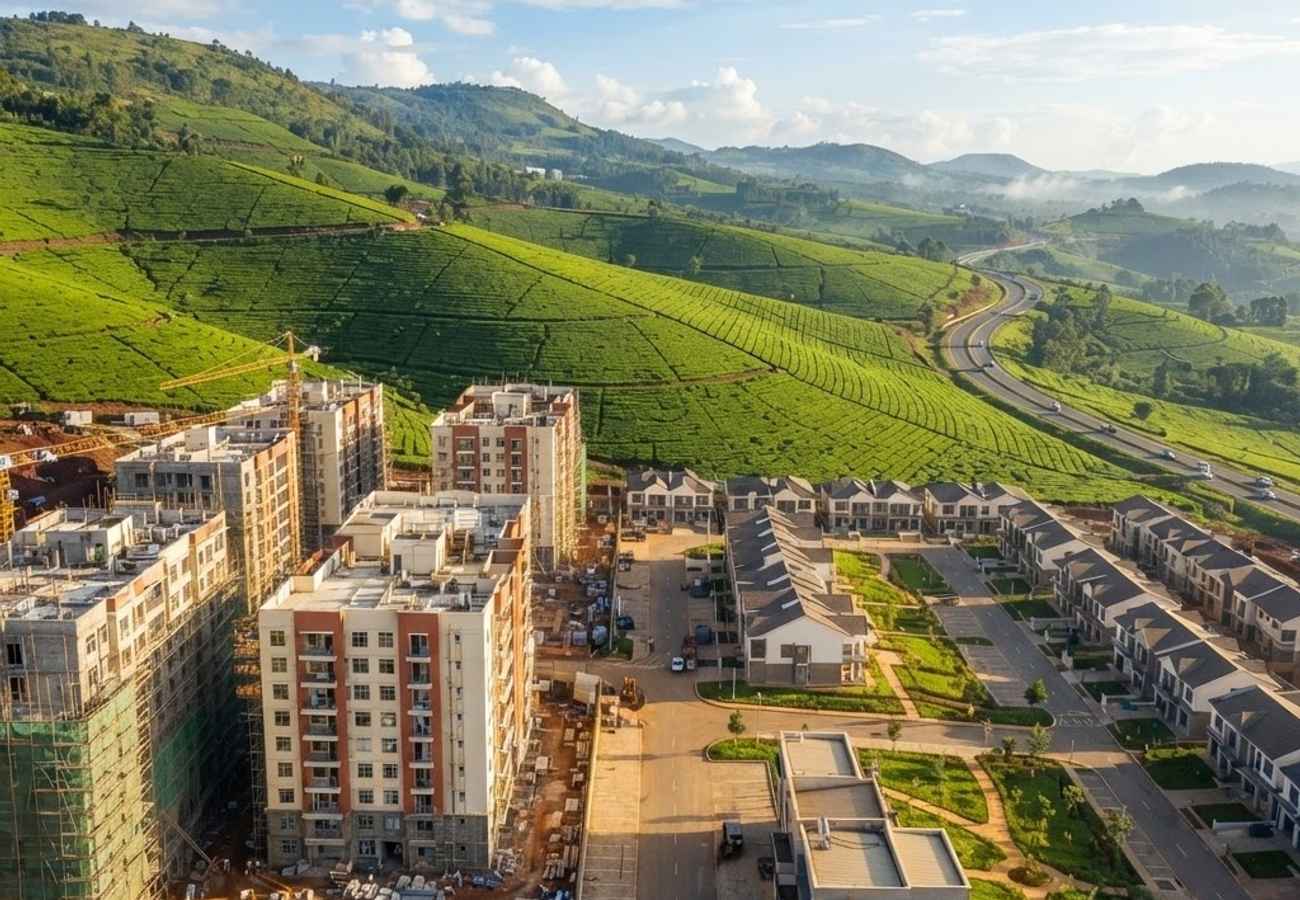
Image generated by AI
The Nandi Hills region is undergoing a rapid economic transformation as tourism and agricultural growth drive a critical need for residential infrastructure. The Boma Yangu Nandi Hills Estate has now reached 75% completion, signaling a major shift in the region's capacity to support a growing population of workers, entrepreneurs, and tourists.
Regional Economic Shift and Housing Demand
Nandi Hills, traditionally an agricultural stronghold centered on tea production, is diversifying its economic base. Our analysis indicates that the rise of agro-tourism and sports tourism—specifically high-altitude athletic training—has created a surge in demand for planned residential developments.
This shift is moving the region beyond simple farming toward a multifaceted economy. The influx of professionals and service providers required to support these new industries has outpaced existing housing stock, necessitating the expansion of the national affordable housing strategy into this emerging hub.
Boma Yangu Nandi Hills Estate: Project Specifications
The Boma Yangu Nandi Hills Estate is designed as a comprehensive neighborhood rather than a standalone residential complex. The project is currently 75% complete and follows a structured development model to ensure sustainability.
Infrastructure Breakdown:
- Total Housing Units: 729 units.
- Residential Structure: 6 residential blocks.
- Housing Categories: A tiered system including social housing, affordable housing, and market-rate options.
- Commercial Integration: 26 integrated commercial shops to support local SMEs and provide essential services.
- Community Amenities: Gated security, children's play areas, landscaped green spaces, and backup power systems.
Impact on Tourism and Regional Growth
The integration of modern housing is a prerequisite for the sustainable growth of Nandi Hills' tourism sector. The region's appeal is currently driven by two primary vectors:
- Agro-Tourism: Visitors are increasingly seeking immersive experiences in tea production and rural Kenyan lifestyles.
- Sports Tourism: The area's geography makes it a premier destination for high-altitude training, attracting international and domestic athletes.
By providing 729 modern homes, the Boma Yangu project ensures that the workforce supporting these sectors has access to quality living standards, which in turn stabilizes the local economy and attracts further foreign and domestic investment.
Passenger and Resident Advisory: Navigating Kenya's Housing Expansion
For individuals looking to relocate to or invest in emerging regions like Nandi Hills, our analysis of Kenya's affordable housing framework suggests several key considerations:
- Eligibility for Social Housing: For the prospective resident, this means verifying income brackets with the national housing authority to determine if they qualify for "social" versus "affordable" or "market-rate" units.
- Commercial Opportunity: The inclusion of 26 shops suggests a limited window for early-mover advantage. Entrepreneurs in the tourism supply chain should monitor the final 25% of construction for lease availability.
- Infrastructure Reliability: The inclusion of backup power and water connectivity is a critical feature for those moving from urban centers like Nairobi, reducing the operational risk for home-based businesses.
The progress of the Boma Yangu Nandi Hills Estate reflects a broader strategic pivot in Kenya's urban planning. By decentralizing affordable housing away from saturated hubs like Nairobi, the government is effectively seeding growth in secondary cities and rural hubs.
This model suggests that residential infrastructure is no longer viewed as a result of economic growth, but as a catalyst for it. The synergy between tea production, high-altitude sports, and modern housing creates a resilient economic ecosystem that is less dependent on a single industry.
The acceleration of the Nandi Hills development marks a pivotal moment in Kenya's regional economic diversification.
Related Travel Guides
Disclaimer
This article is for informational and educational purposes only. It does not constitute legal, financial, or professional advice. While we strive to provide accurate and up-to-date information, travel policies, regulations, and conditions change rapidly. Always verify information with official sources before making travel decisions. Nomad Lawyer makes no representations about the accuracy, reliability, completeness, or suitability of the information provided. Readers should consult qualified professionals for advice specific to their circumstances. The views expressed in this article are those of the author and do not necessarily reflect the views of Nomad Lawyer.
Preeti Gunjan
Contributor & Community Manager
A passionate traveller and community builder. Preeti helps grow the Nomad Lawyer community, fostering engagement and bringing the reader experience to life.
Learn more about our team →