
Katsina City Drives Northern Nigeria's Cultural Tourism Growth Through FTAN Partnership
Katsina State partners with Nigeria's Federation of Tourism Associations to establish itself as Northern Nigeria's premier cultural tourism destination in 2026, leveraging heritage sites and traditional festivals through structured public-private collaboration.

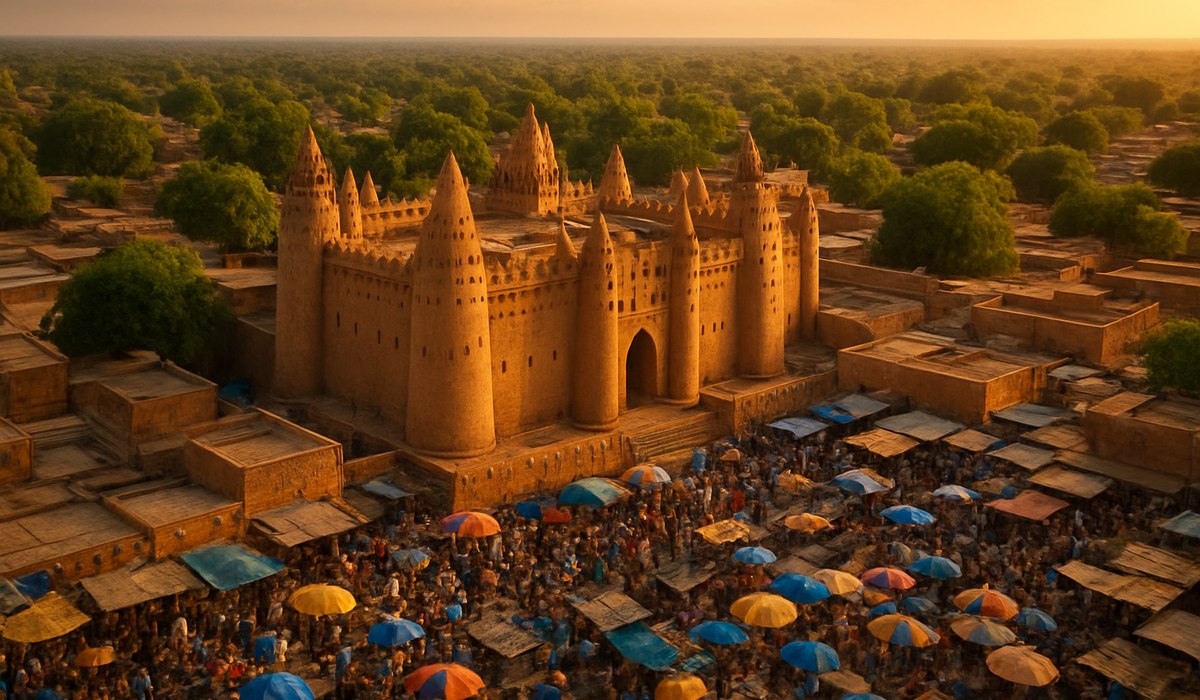
Image generated by AI
Katsina Emerges as Northern Nigeria's Cultural Tourism Flagship
Katsina State has officially partnered with the Federation of Tourism Associations of Nigeria (FTAN) to position itself as Northern Nigeria's leading cultural tourism destination. The strategic alliance, announced in April 2026, marks a significant shift toward leveraging heritage assets and traditional festivals through coordinated public-private investment. This collaboration signals Katsina's commitment to attracting both domestic and international travelers while generating sustainable income for local communities and artisans across the region.
The partnership represents a watershed moment for Northern Nigerian tourism. Rather than depending solely on government funding, Katsina now benefits from FTAN's expertise in destination marketing, private sector coordination, and investor outreach. Industry observers view this model as a template for how other northern states can unlock cultural and creative economies in an era of fiscal constraint and economic diversification.
Strategic Alliance Positions Katsina as Northern Anchor
The FTAN engagement stems from high-level discussions between state leadership and Nigeria's tourism federation, following comprehensive site visits to key heritage venues and festival grounds across Katsina and Daura. During these visits, FTAN representatives identified concrete opportunities for structured partnerships that could transform visitor infrastructure and destination appeal.
Central to this alliance is recognition of Katsina's existing strengths: the city's historic emirate traditions, distinctive architectural heritage, and globally recognized equestrian festivals. The partnership framework focuses on translating these assets into organized tourism products that meet international standards. FTAN brings technical capacity in areas where many regional destinations lag—destination branding, digital marketing, and investor prospecting. By aligning state development priorities with private sector expertise, both parties aim to position Katsina city drives forward as a model destination for Northern Nigeria's tourism sector.
Analysts emphasize that this timing reflects broader economic currents. Northern regions increasingly seek revenue sources beyond government budgets. Katsina's test case demonstrates how coordinated state policy and private-sector acumen can unlock regional cultural assets. Success here may inspire similar partnerships across Kaduna, Kano, and other northern states pursuing cultural tourism expansion.
Cultural Festivals and Heritage Sites Form the Core Offer
Katsina's competitive advantage rests on distinctive cultural attractions recognized across West Africa. The annual Sallah durbar processions rank among Nigeria's most visually striking cultural events, featuring traditional horsemen, palace musicians, and courtiers in elaborate pageantry. The Hawan Bariki displays in Katsina City and related festivities in neighboring Daura draw thousands of visitors annually, offering immersive experiences of Hausa horsemanship traditions spanning centuries.
Beyond living celebrations, Katsina's built heritage anchors the emerging tourism narrative. The Gobarau Minaret—a centuries-old structure in Katsina City—stands as an architectural testament to the region's Islamic scholarship legacy. The Kusugu Well in Daura carries historical significance tied to pre-colonial trade networks. Historic emir's palaces and the remnants of Katsina College (formerly a premier West African educational institution) reinforce narratives of governance and intellectual history.
With FTAN involvement, these disparate attractions are being packaged into thematic circuits and itineraries. Curated heritage walks, festival calendars aligned with visitor seasons, and niche experiences targeting diaspora communities and school groups are now in development. This structured approach transforms isolated sites into coherent cultural journeys that justify multi-day visits and higher spending per tourist.
Public-Private Partnerships Drive Infrastructure Investment
Katsina's tourism ambitions are supported by updated urban masterplans (2025-2040) and a new state tourism policy introduced in late 2024. These frameworks explicitly target tourism as an engine for inclusive growth, employment, and heritage preservation while strengthening coordination between government ministries, local authorities, and traditional institutions.
Infrastructure upgrades form a critical component of this vision. Hospitality capacity in Katsina City is being enhanced to accommodate rising visitor volumes. Accommodation upgrades focus on meeting standards expected of a regional cultural hub—modern amenities coupled with authentic architectural character. Transport infrastructure, dining options, and ancillary visitor services are being developed in parallel, ensuring that visitors experience seamless experiences from arrival through departure.
The policy scaffolding created by these masterplans and tourism documents provides institutional backing for FTAN's operational contributions. By embedding tourism targets into long-term urban development and economic strategy, Katsina signals to private investors that cultural tourism is a core, sustained commitment rather than a seasonal initiative.
Model for Regional Tourism Diversification
Northern Nigeria's economic challenges make tourism diversification increasingly urgent. As commodity revenues fluctuate and manufacturing bases require strengthening, cultural and heritage tourism present accessible entry points for regional development. Katsina's approach—combining traditional governance structures with modern tourism practices—offers a replicable template.
The FTAN partnership also addresses a persistent northern tourism weakness: limited international visibility and professional marketing. Federation expertise in digital channels, trade fair participation, and investor networks directly addresses this gap. By connecting Katsina's attractions to FTAN's market reach, the state gains access to networks spanning Nigeria's private tourism sector and beyond.
Success in Katsina could catalyze broader sectoral shifts. If visitors increase, spending rises, and community benefits accumulate, neighboring states may pursue similar public-private models. This diffusion effect could gradually establish Northern Nigeria as a distinct cultural tourism brand alongside the wildlife and beach destinations that currently dominate Nigeria's international tourism image.
Key Tourism Development Metrics
| Metric | Details |
|---|---|
| Primary Partnership | Katsina State + Federation of Tourism Associations of Nigeria (FTAN) |
| Core Attractions | Sallah durbar processions, Hawan Bariki displays, Gobarau Minaret, Kusugu Well, historic emirate palaces |
| Planning Horizon | Masterplans and policy frameworks span 2025–2040 |
| Key Gateway Cities | Katsina City (regional hub), Daura (secondary circuit), Funtua (tertiary access point) |
| Infrastructure Focus | Hospitality upgrades, transport connectivity, visitor services enhancement |
| Target Markets | Domestic tourists, diaspora communities, school groups, cultural enthusiasts, regional neighbors |
| Policy Framework | State tourism policy (2024), urban masterplans, sectoral coordination mechanisms |
What This Means for Travelers
-
Enhanced Festival Access: Multi-day Sallah celebrations and equestrian festivals now come with structured accommodation, guided experiences, and organized transportation options, reducing planning friction for international and diaspora visitors.
-
Curated Heritage Routes: Rather than navigating disparate sites independently, travelers can follow professionally designed circuits linking Katsina City's Gobarau Minaret to Daura's historical wells and surrounding cultural venues, maximizing cultural immersion.
-
Improved Visitor Infrastructure: Ongoing hospitality upgrades ensure Katsina City meets international comfort standards while maintaining authentic architectural character, appealing to travelers seeking cultural depth without sacrificing amenity expectations.
-
Expanded Travel Windows: As tourism products mature, travel seasons may lengthen beyond traditional festival peaks, with cultural workshops, guided artisan experiences, and scholarship-focused itineraries extending visitation throughout the year.
-
Better Value Propositions: Public-private coordination is expected to improve pricing transparency and value across accommodations, guides, and experiences, making Katsina competitive with other West African cultural destinations.
Frequently Asked Questions
When is the best time to visit Katsina for festival experiences?
Sallah festivals occur annually during the Islamic calendar period (typically April-June), with Hawan Bariki displays drawing largest crowds. However, with FTAN's expanded programming, cultural experiences and heritage site visits are increasingly available year-round. Check official tourism calendars closer to your travel dates for current festival schedules and accessibility.
**What historical sites
Disclaimer
This article is for informational and educational purposes only. It does not constitute legal, financial, or professional advice. While we strive to provide accurate and up-to-date information, travel policies, regulations, and conditions change rapidly. Always verify information with official sources before making travel decisions. Nomad Lawyer makes no representations about the accuracy, reliability, completeness, or suitability of the information provided. Readers should consult qualified professionals for advice specific to their circumstances. The views expressed in this article are those of the author and do not necessarily reflect the views of Nomad Lawyer.
Preeti Gunjan
Contributor & Community Manager
A passionate traveller and community builder. Preeti helps grow the Nomad Lawyer community, fostering engagement and bringing the reader experience to life.
Learn more about our team →