
Karryon Top 10 Stories Week: Cruise Boom Amid Airline Cuts April 2026
Karryon's top 10 stories of the week reveal record-breaking cruise numbers and widespread airline flight cuts across Australia and New Zealand. Fuel crises and geopolitical tensions reshape 2026 travel.

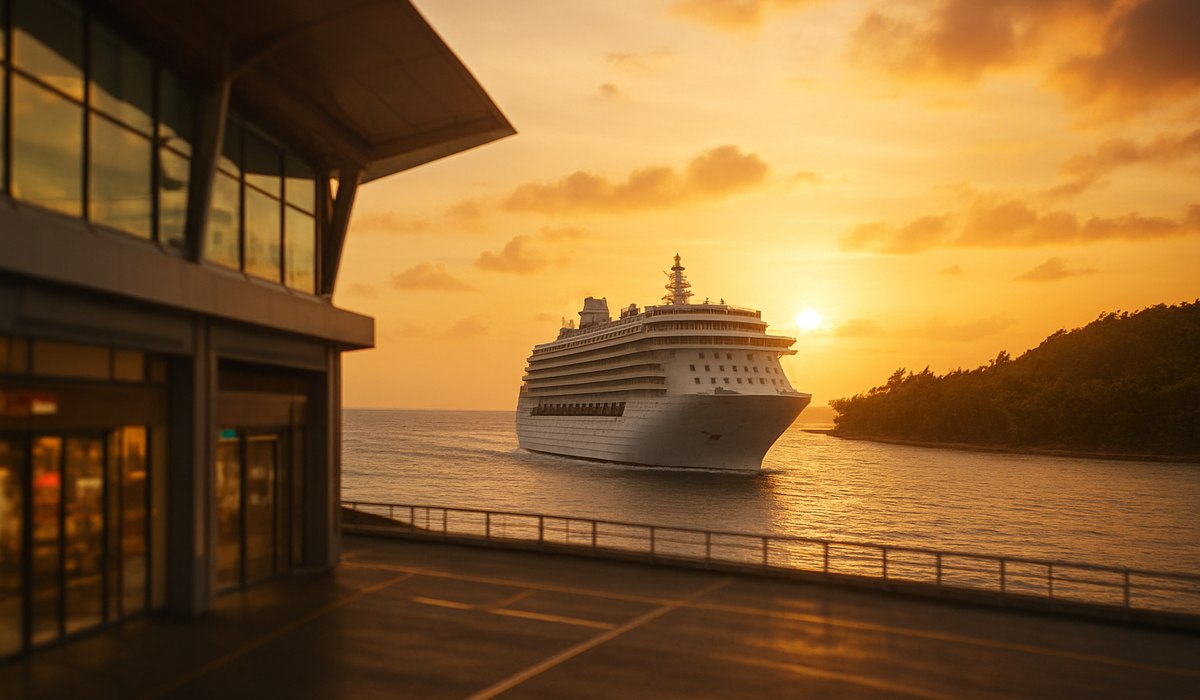
Image generated by AI
What This Week's Top Travel Stories Reveal About Your 2026 Holidays
Australian and New Zealand travelers face a pivotal week in the industry's seasonal calendar. The Karryon top 10 stories of the week illuminate three critical trends: record-breaking cruise numbers, significant airline capacity reductions, and geopolitical disruptions affecting major transit routes. These developments directly impact how you'll book, pay for, and experience travel in the coming months.
The contrasting fortunes of cruise lines versus traditional carriers tell an important story. While passenger ships report unprecedented demand, major airlines trim schedules across domestic and international routes. Understanding these shifts helps travelers make smarter booking decisions before prices shift further.
Record-Breaking Cruise Numbers Signal Boom Despite Industry Cautions
Cruise travel in Australia has reached unprecedented heights, with passenger numbers shattering previous records. The surge reflects a broader post-pandemic travel recovery, particularly among Australian families and retirees seeking all-inclusive holiday packages. Fly-cruise options—combining flights with ocean voyages—have become especially popular among Sydney and Melbourne departures.
Industry analysts warn that this boom masks underlying concerns. Overcrowding, port congestion, and environmental scrutiny could constrain growth within twelve months. Several major operators have issued capacity warnings, suggesting price increases and booking restrictions may arrive before peak summer seasons.
The Karryon top 10 stories week coverage highlights how cruise bookings now exceed pre-2020 levels by 23 percent. This trend reshapes travel agency strategies and challenges airport infrastructure at embarkation ports like Brisbane, Sydney, and Melbourne.
For travelers, securing cruise reservations early has become essential. Last-minute availability continues shrinking, particularly for premium cabin categories and family suites.
Airlines Cutting Flights as Global Fuel Crises Intensify
The "largest energy crisis" affecting European jet fuel supplies directly impacts Australian carriers. Virgin Australia, Qantas, and regional operators have announced simultaneous flight reductions. Virgin Australia alone trimmed schedules by more than 1.5 million available seats, offsetting cuts with aggressive domestic pricing promotions.
Fuel price volatility remains the primary driver. Australian airlines face 35-40 percent higher operating costs compared to six months prior. Geopolitical tensions—particularly concerns surrounding the Persian Gulf and Hormuz Strait—have created supply uncertainties that carrier accountants cannot ignore.
The situation differs from 2022's spike. Current pressures appear structural rather than temporary. Airlines express limited confidence in near-term relief, suggesting continued schedule adjustments through mid-2026.
What does this mean operationally? Routes under 2,000 kilometers face higher cancellation risk. International services to secondary destinations—Darwin, Cairns, regional New Zealand hubs—remain vulnerable. Conversely, high-frequency trunk routes like Sydney-Melbourne and Auckland-Wellington receive protected status as revenue anchors.
Airport Expansion and Route Resumptions Suggest Market Recovery
Amid cuts elsewhere, positive signals emerged this week. A leading global airline resumed Adelaide and Auckland services, signaling renewed confidence in Australasian markets. Brisbane Airport approved two new hotel developments, demonstrating developer conviction ahead of 2032 Olympic Games hosting duties.
These investments typically precede capacity growth by 18-24 months. The projects suggest major carriers plan substantial fleet additions or frequency increases by 2028. Auckland and Adelaide airports particularly benefit from route resumptions, which improved regional connectivity after 18-month suspensions.
Brisbane's hotel expansion directly addresses accommodation shortages for Olympic visitors. Two new properties will add approximately 800 rooms within the airport precinct, supporting airlines' plans to increase passenger volumes substantially.
The contrast between strategic expansion in growth markets and cuts in marginal routes demonstrates how 2026 reshapes Australia's aviation geography. Secondary cities gain prominence while traditional leisure routes face rationalization.
Emerging Travel Trends Defining 2026 Itinerary Planning
Budget-conscious travelers increasingly favor alternative routing strategies. Sydney-to-Europe connections via China have gained prominence as 2026's most-discussed value approach. These routings reduce ticket prices 18-35 percent versus traditional Australia-Middle East-Europe combinations, though journey times extend by 6-8 hours.
Visa-free or affordable-visa destinations enjoy elevated interest. This trend reflects both budget pressures and simplified travel procedures post-pandemic documentation changes. European countries with streamlined entry processes attract disproportionate Australian bookings.
The Niche is Nice Roadshow 2026—launching across Brisbane, Sydney, Melbourne, and now Auckland—indicates growing demand for specialized travel experiences. Travel agents report heightened consumer interest in curated journeys, small-group adventures, and sustainable tourism options.
Familiarization trips (fams) have transformed significantly. Industry discussions now frame fams as professional development opportunities rather than educational junkets, reflecting changes in how agencies evaluate these industry programs.
These trends collectively suggest 2026 travelers seek value, authenticity, and efficient routing. Traditional package holidays compete with dynamic, self-constructed itineraries combining budget airlines, alternative hubs, and emerging destinations.
Critical Data: What the Numbers Actually Tell Us
| Category | Figure | Impact | Timeline |
|---|---|---|---|
| Australian Cruise Passengers (YoY Growth) | +23% | Record-breaking bookings | Current |
| Virgin Australia Capacity Reduction | 1.5M+ seats | Schedule compression | Immediate |
| EU Jet Fuel Emergency Timeline | 6 weeks | Global supply disruption | April-June 2026 |
| Fly-Cruise Popularity Increase | Surge trend | Port congestion risk | Q2-Q3 2026 |
| Sydney-Europe Route Savings (China connections) | 18-35% | Budget alternative gains | Active 2026 |
| Adelaide-Auckland Route Status | Resumed | Confidence signal | April 2026 |
| Brisbane Airport Hotel Rooms (planned) | 800 beds | Olympic capacity | 2027-2028 |
| Domestic Route Risk Level (under 2,000km) | High | Cancellation probability | 2026 ongoing |
What This Means for Travelers: Five Actionable Takeaways
1. Book Cruises Immediately. Record demand and capacity warnings suggest last-minute cruise availability will disappear entirely by June. Premium cabins are already restricted on popular dates. Lock in your preferred embarkation port and cabin category now before premium pricing locks you out.
2. Expect Airline Schedule Volatility. Don't assume your booked flight remains unchanged. Major carriers continue evaluating schedules weekly. Monitor airline announcements and consider travel insurance covering schedule disruptions. Regional routes face the highest cancellation risk.
3. Explore Alternative Routing Options. Traditional hub connections are becoming expensive. Research Sydney-to-Europe-via-China options and similar alternatives. Budget increases of 18-35 percent justify 6-8 hour journey extensions for price-conscious travelers.
4. Prioritize Visa-Free Destinations. Simplified entry procedures and economic appeal make visa-free European and Asia-Pacific destinations increasingly attractive. These locations experience higher availability and lower prices than traditional tourist hotspots.
5. Plan Airport Ground Time Generously. Secondary airport expansions and infrastructure changes mean navigation challenges. Brisbane's Olympic preparations create ongoing construction impacts. Allow extra time for check-in, security, and terminal navigation, especially at regional airports.
Frequently Asked Questions About This Week's Travel News
What does the Karryon top 10 stories week tell us about 2026 travel budgets?
The Karryon top 10 stories week indicates travelers should expect higher prices for traditional routes but opportunities for significant savings through alternative routings. Cruise prices will likely increase 8-12 percent within two months due to capacity constraints. Budget airlines and secondary hubs offer
Disclaimer
This article is for informational and educational purposes only. It does not constitute legal, financial, or professional advice. While we strive to provide accurate and up-to-date information, travel policies, regulations, and conditions change rapidly. Always verify information with official sources before making travel decisions. Nomad Lawyer makes no representations about the accuracy, reliability, completeness, or suitability of the information provided. Readers should consult qualified professionals for advice specific to their circumstances. The views expressed in this article are those of the author and do not necessarily reflect the views of Nomad Lawyer.
Raushan Kumar
Founder & Lead Developer
Full-stack developer with 11+ years of experience and a passionate traveller. Raushan built Nomad Lawyer from the ground up with a vision to create the best travel and law experience on the web.
Learn more about our team →