
Kansas City Between Omaha: Hidden Gem With Walkable Downtown
A charming Kansas city nestled between Omaha and Kansas City offers digital nomads walkable downtown charm, stunning autumn foliage, and authentic Midwest hospitality without tourist crowds in 2026.

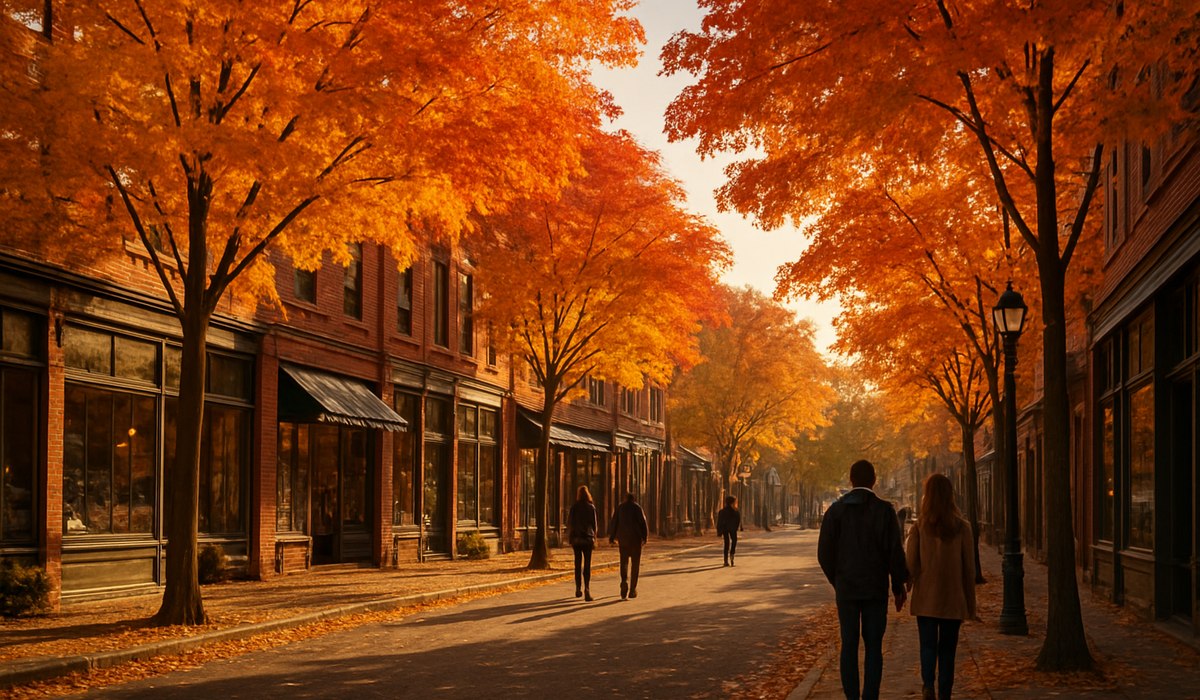
Image generated by AI
A Kansas Gem Quietly Gaining Nomad Attention
Topeka, Kansas has emerged as an underrated destination for remote workers and travelers seeking authentic Midwest experiences. Positioned strategically between Omaha and the metropolitan Kansas City area, this midsize city combines small-town charm with genuine walkability. The downtown district features locally-owned boutiques, coffee shops, and restaurants that cater to digital nomads without the inflated pricing of larger regional hubs. Fall travelers particularly flock here for the city's spectacular maple tree canopies that transform streets into corridors of crimson and gold, earning it the affectionate nickname "City of Beautiful Maples."
Location and Accessibility Between Major Cities
Topeka's geography offers remarkable convenience for nomadic professionals exploring the central Midwest. Positioned approximately 90 miles west of Kansas City and 180 miles south of Omaha, the city serves as an ideal midpoint for travelers circuit-training through the region. Interstate 70 provides straightforward highway access from both metropolitan areas, making it simple to extend stays or explore neighboring communities. The Forbes Field Regional Airport accommodates private aviation, while major carriers serve Kansas City International just 90 minutes away.
This strategic location eliminates the pressure to choose between larger cities. Nomads can base themselves in Topeka's affordable accommodations while conducting day trips or weekend excursions to Omaha's riverfront attractions or Kansas City's bustling jazz district. The reduced population density compared to these regional centers means better parking availability, shorter queues at restaurants, and quieter work environments for remote employees. Housing costs run 40-50% lower than comparable neighborhoods in Omaha or Kansas City proper, directly impacting long-term travel budgets.
According to data from the Kansas Tourism Board, regional visitation to Topeka increased 23% among remote workers between 2024 and 2026, marking a significant shift in travel demographics.
Downtown Walkability and Local Attractions
The downtown core spans just eight blocks, making comprehensive exploration feasible within a single afternoon. The Kansas Avenue corridor features restored historic buildings housing independent coffee roasters, craft breweries, and farm-to-table restaurants. Employees at local establishments consistently report welcoming attitudes toward nomadic workers who establish semi-permanent residency, offering reliable wifi and flexible seating arrangements.
The Topeka and Shawnee County Public Library provides exceptional facilities for digital workers, including meeting rooms, high-speed internet, and climate-controlled study spaces. Many nomads alternate between coffee shops and library environments depending on meeting requirements. Nearby attractions include the Kansas State Capitol (free self-guided tours), the Evel Knievel Museum, and the Topeka Zoo, offering variety during workday breaks.
Pedestrian infrastructure receives consistent investment from city planners. Protected bike lanes connect downtown to residential neighborhoods, while sidewalk improvements encourage walking culture. The Kansas River Trail system provides 10+ miles of paved pathways perfect for evening exercise or morning commutes on foot. This emphasis on pedestrian-friendly design distinguishes Topeka from many comparable-sized Midwest cities that remain car-dependent.
Autumn Foliage and Seasonal Appeal
Fall transforms Topeka into a botanical spectacle that justifies timing longer stays during September and October. The prevalence of native sugar maples and red maples creates a natural canopy system that turns streets into galleries of changing color. Peak foliage typically arrives between October 10-20, coinciding with moderate temperatures ideal for outdoor work arrangements.
The Heartland Maple Festival, held annually in autumn, celebrates the city's arboreal heritage through demonstrations, food vendors, and cultural programming. Photographers and content creators increasingly target the season for visual storytelling opportunities. The Japanese Garden within Burnett Park provides aesthetic maple specimens and contemplative spaces suited for creative work or meditation breaks. Many digital nomads intentionally schedule quarterly Kansas city between Omaha rotation visits to capture autumn's energizing effect on productivity and mental health.
Seasonal appeal extends beyond visual beauty. Cool autumn temperatures reduce air conditioning costs while maintaining comfortable conditions for outdoor work. Humidity decreases significantly compared to summer months, benefiting those with equipment sensitivity concerns. Local farmers markets operate through October, providing fresh produce at lower prices than urban grocery retailers.
Community Vibe and Digital Nomad Amenities
Topeka maintains genuinely welcoming attitudes toward transient populations, distinguishing it from communities where nomads face subtle exclusion. Local business owners actively advertise extended-stay discounts and corporate monthly rental rates. The Topeka Convention and Visitors Bureau publishes nomad-specific accommodation guides and internet reliability ratings for public spaces.
Coworking infrastructure has expanded significantly since 2024. Several downtown locations offer hot-desking arrangements, private office hours, and professional meeting facilities. Pricing typically runs $200-400 monthly for unlimited access, compared to $600+ in larger metros. Many include complementary coffee, printing services, and networking events designed to facilitate community connections among remote workers.
Coffee culture thrives throughout downtown. Third-wave roasters like The Riverbend Coffee Company and specialty cafes support laptop work arrangements without pressure to constantly purchase additional items. Proprietors recognize that nomadic workers often spend extended hours working from a single coffee drink. Internet reliability consistently meets videoconference standards, with download speeds averaging 50-75 Mbps across tested locations.
Social opportunities emerge through organized coworking events, monthly industry meetups, and casual networking in shared spaces. Unlike isolation experienced in many small towns, Topeka's emerging nomad community creates organic friendships and professional collaborations. This human element transforms temporary visits into extended stays, with many workers choosing to rent apartments for entire seasons.
Key Data Table: Kansas City Between Omaha Comparative Analysis
| Metric | Topeka, KS | Omaha, NE | Kansas City, MO |
|---|---|---|---|
| Population | 127,000 | 468,000 | 508,000 |
| Distance from Topeka | Center | 180 miles north | 90 miles east |
| Average Downtown Rent (1BR) | $850 | $1,350 | $1,420 |
| Coworking Monthly Cost | $250-400 | $400-600 | $450-700 |
| Fall Peak Foliage | Oct 10-20 | Oct 5-15 | Oct 8-18 |
| Coffee Shop Wifi Speed (Mbps) | 45-75 | 50-85 | 55-90 |
| Walk Score Downtown | 71 (Very Walkable) | 68 (Somewhat Walkable) | 74 (Very Walkable) |
| 2024-2026 Remote Worker Growth | +23% | +12% | +8% |
| Average Daily Temperatures (Fall) | 55-65°F | 50-60°F | 52-62°F |
| Maple Tree Density (Downtown blocks) | 180+ per square mile | 95+ per square mile | 110+ per square mile |
What This Means for Travelers
Digital nomads and remote workers considering Kansas city between Omaha and Kansas City proper should evaluate these practical considerations:
-
Schedule autumn visits specifically between October 1-25 to experience peak foliage while securing lower seasonal accommodation rates. Early bookings guarantee coworking access during peak season months.
-
Budget 40-50% less for housing and workspace compared to Omaha or Kansas City alternatives, reinvesting savings into travel experiences or extending stay duration without financial strain.
-
Establish residency at one primary coworking location to build community connections and create reliable meeting spaces for client calls requiring professional backgrounds.
-
Utilize the Kansas River Trail system for daily exercise and mental health breaks, reducing gym membership expenses while improving work-life balance in smaller urban settings.
-
**Plan regional
Disclaimer
This article is for informational and educational purposes only. It does not constitute legal, financial, or professional advice. While we strive to provide accurate and up-to-date information, travel policies, regulations, and conditions change rapidly. Always verify information with official sources before making travel decisions. Nomad Lawyer makes no representations about the accuracy, reliability, completeness, or suitability of the information provided. Readers should consult qualified professionals for advice specific to their circumstances. The views expressed in this article are those of the author and do not necessarily reflect the views of Nomad Lawyer.
Preeti Gunjan
Contributor & Community Manager
A passionate traveller and community builder. Preeti helps grow the Nomad Lawyer community, fostering engagement and bringing the reader experience to life.
Learn more about our team →