
Jet2, TUI, and easyJet Issue Critical Passport Alerts for UK Tourists Visiting Schengen Area in 2026
Major UK carriers warn that valid expiry dates are insufficient for Schengen entry, as post-Brexit 10-year issuance rules lead to border rejections.

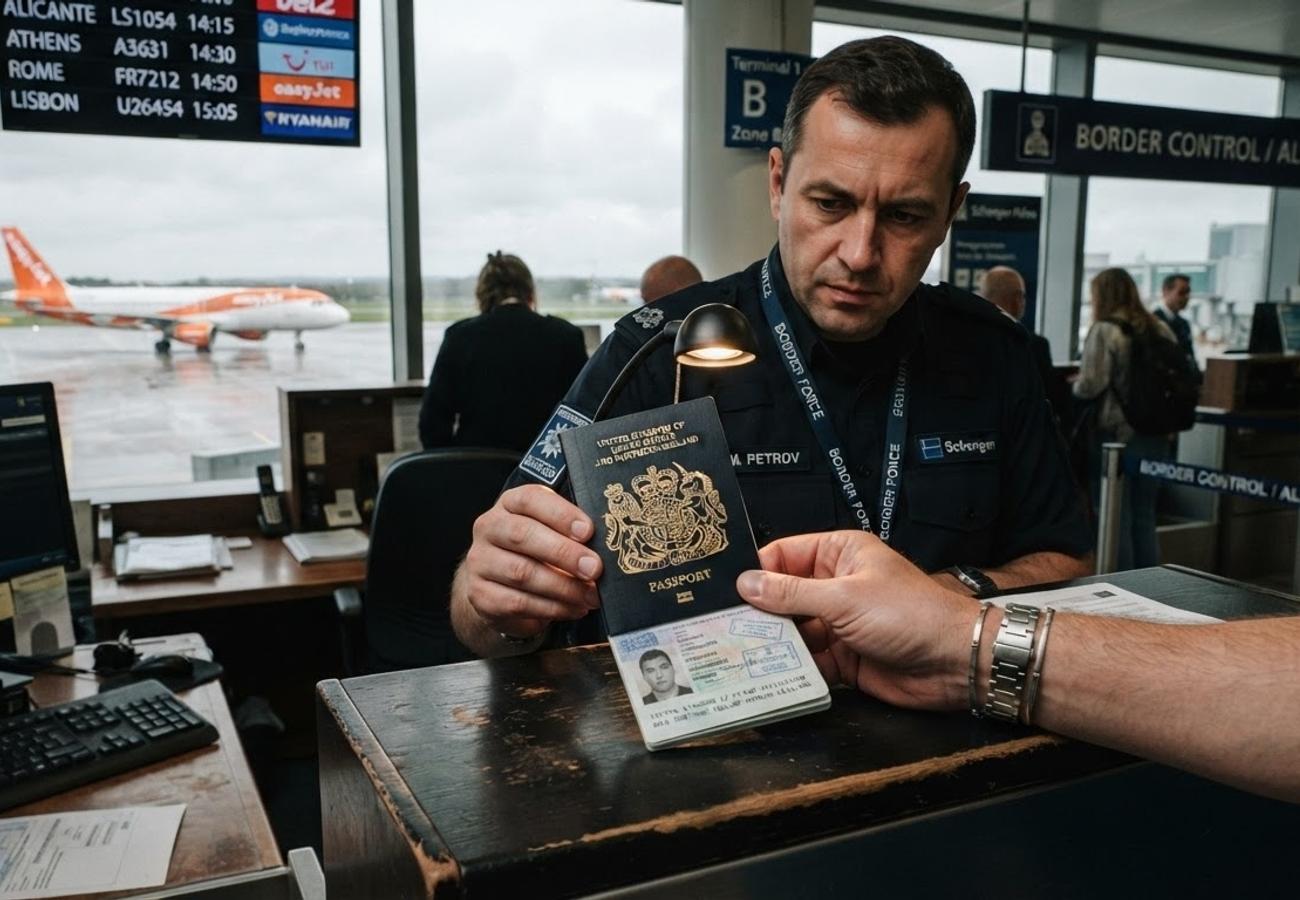
Image generated by AI
UK holidaymakers face significant risk of denied boarding and border rejections despite holding passports with future expiry dates. Major carriers including Jet2, TUI, and easyJet have issued urgent warnings regarding strict post-Brexit entry requirements for the Schengen Area.
The Disruption Details
A critical gap in passenger understanding regarding "passport validity" is causing systemic disruptions at UK airports and European borders. While travelers often rely solely on the expiry date printed on their documents, European border authorities enforce two distinct technical requirements for British citizens entering the Schengen Area.
The primary issue stems from the 10-year issuance rule. Passports must have been issued less than 10 years before the date of arrival in the destination country. A specific point of failure occurs with passports where additional months were added during a renewal; these extensions do not count toward the 10-year limit, meaning a passport can show a future expiry date but still be legally invalid for entry.
Flight & Airport Impact Breakdown
The disruption is concentrated on routes connecting the UK to the Schengen Zone, particularly during the peak summer demand.
- Affected Hubs: Major UK departure airports serving popular Mediterranean and European routes.
- High-Risk Destinations: Spain, Greece, Italy, France, and Portugal.
- Schengen Area Scope: Includes 29 countries: Austria, Belgium, Bulgaria, Croatia, Czechia, Denmark, Estonia, Finland, France, Germany, Greece, Hungary, Iceland, Italy, Latvia, Liechtenstein, Lithuania, Luxembourg, Malta, Netherlands, Norway, Poland, Portugal, Romania, Slovakia, Slovenia, Spain, Sweden, and Switzerland.
- Operational Impact: Increased check-in delays, denied boarding at gates, and immediate deportation upon arrival at European border checkpoints.
Passenger Rights & Advisory
For the affected passenger, a passport that is technically invalid under Schengen rules is generally classified as a "passenger documentation failure." This has severe implications for compensation and rebooking.
Boarding Denials and Compensation Our analysis of aviation policy suggests that if a passenger is denied boarding due to incorrect travel documents, the airline is not liable for the delay or cancellation. For the passenger, this means:
- No EU261/2004 Compensation: You are not entitled to financial compensation for flight disruptions caused by invalid passports.
- Rebooking Costs: The passenger is typically responsible for the full cost of new flights and accommodation if their original booking is forfeited.
The "Schengen Checklist" for Travelers To avoid disruption, passengers must verify two specific data points:
- Issuance Date: Ensure the passport was issued within 10 years of your arrival date.
- Departure Buffer: Ensure the passport is valid for at least three months after your planned date of departure from the Schengen Area.
Digital Border Transition (EES) The introduction of the Entry/Exit System (EES) adds a layer of biometric complexity. British visitors must now provide fingerprints and facial images during their first registration. Our analysis indicates this will lead to longer queues at border control. Passengers should keep essential medication and documents in hand luggage to avoid delays during these biometric checks.
Industry Analyst View
The current friction is a direct result of the UK's transition to "third-country" status following Brexit. The misalignment between the UK's passport issuance logic (allowing for extended validity) and the Schengen Area's rigid 10-year rule creates a "hidden trap" for millions of travelers.
The industry is seeing a shift where the burden of proof for entry has moved entirely to the passenger. While TUI and Jet2 have implemented digital checking tools, the reliance on passenger self-service increases the likelihood of airport bottlenecks. The integration of the EES biometric system further complicates the passenger flow, suggesting that "buffer time" at airports should be increased by at least 60-90 minutes during the initial rollout phase.
Verify your documents weeks before departure to avoid irrevocable financial loss on holiday packages.
Related Travel Guides
Disclaimer
This article is for informational and educational purposes only. It does not constitute legal, financial, or professional advice. While we strive to provide accurate and up-to-date information, travel policies, regulations, and conditions change rapidly. Always verify information with official sources before making travel decisions. Nomad Lawyer makes no representations about the accuracy, reliability, completeness, or suitability of the information provided. Readers should consult qualified professionals for advice specific to their circumstances. The views expressed in this article are those of the author and do not necessarily reflect the views of Nomad Lawyer.
Raushan Kumar
Founder & Lead Developer
Full-stack developer with 11+ years of experience and a passionate traveller. Raushan built Nomad Lawyer from the ground up with a vision to create the best travel and law experience on the web.
Learn more about our team →